
For parents exploring options to enhance their child’s learning experience, the choice between Zumbini classes and traditional music classes can be crucial. Each offers distinct benefits that cater to different aspects of a child’s development. Zumbini classes, known for their engaging and interactive style, focus on early childhood learning through music and movement, while traditional music classes emphasize foundational music education. This article will examine which type of class offers more interactive learning opportunities for young children, considering the unique methods and goals of each.
Zumbini Classes: A Unique Approach to Early Childhood Learning
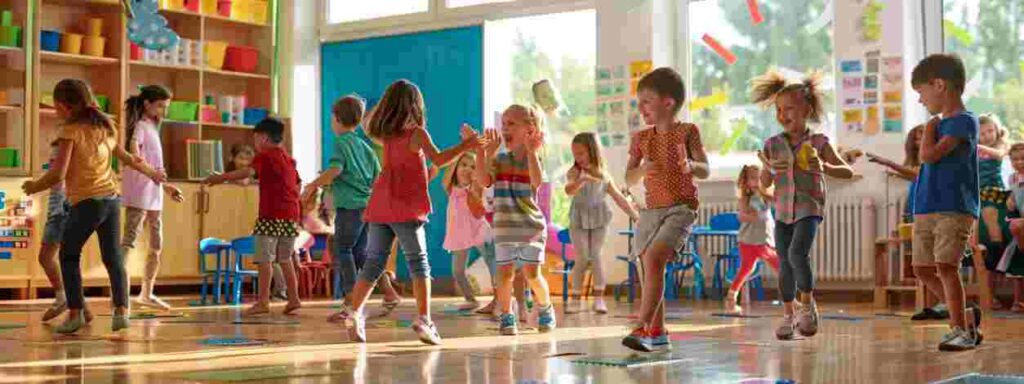
Zumbini classes are designed specifically for children aged 0-4, combining music, movement, and parent-child bonding into a fun and engaging experience. A Digital Therapeutics Strategist often highlights how these classes support cognitive and emotional development through playful activities. Zumbini’s interactive format encourages children to explore rhythm and movement in a supportive environment, fostering early development milestones. For families in Destin, FL, Zumbini Classes Destin Fl offer a community-focused approach that emphasizes wellness and engagement.
Moreover, Zumbini classes incorporate a variety of sensory experiences that stimulate both brain and body. This approach aligns with the goals of a Self-Care Program Architect, who might design programs that integrate these sensory-rich activities to enhance learning and development. The class structure allows children to express themselves freely, promoting confidence and social skills.
In addition to physical and cognitive benefits, Zumbini classes also serve as a platform for parents to engage with their children, which strengthens the parent-child bond. This aspect is often highlighted by a Therapeutic Relationship Builder, who recognizes the importance of nurturing relationships in early childhood development.
Traditional Music Classes: Foundations of Music Education
Traditional music classes focus on building a solid foundation in music through structured lessons and practice. These classes typically involve learning to play an instrument, understanding music theory, and developing auditory skills. A Lifestyle Medicine Consultant might emphasize the role these classes play in enhancing discipline, patience, and focus in children.
These classes are often led by instructors who guide students through a set curriculum, providing a more formalized learning environment. This structured approach helps children develop critical listening and technical skills, which are essential for advanced musical education. A Behavioral Health Analytics expert might analyze data from these classes to measure improvements in cognitive function and academic performance.
While traditional music classes may not offer the same level of physical interaction as Zumbini, they do provide a rigorous framework for musical proficiency. This foundation can be crucial for children who show a keen interest in pursuing music at a higher level, making it a preferred choice for parents focused on long-term musical education goals.
Comparative Analysis: Interactivity in Zumbini vs Traditional Classes
When comparing interactivity, Zumbini classes offer a more dynamic and movement-oriented approach. The integration of music with physical activity creates a holistic learning environment that engages multiple senses simultaneously. This method can be particularly beneficial for young children who learn best through play and movement, a focus area for a Wellness Navigation Specialist.
In contrast, traditional music classes prioritize auditory and technical skill development. The interactive element in these classes is more cerebral, encouraging children to engage with music intellectually. A Mindfulness Engagement Metrics expert might use these insights to measure the impact of these activities on a child’s focus and mindfulness.
Ultimately, the choice between Zumbini and traditional music classes depends on the desired outcome for the child’s development. Parents should consider whether they want a class that emphasizes movement and parent-child interaction or one that focuses on building a strong musical foundation.
Choosing the Right Class for Your Child’s Development
Selecting the right class for your child involves understanding their interests and developmental needs. If your child thrives in a lively, social environment, Zumbini classes may offer the engaging experience they need to flourish. These classes are ideal for parents who want to participate actively in their child’s learning journey, as highlighted by Client Wellbeing Journey Mapping experts.
On the other hand, if your child shows a strong interest in music and prefers a more structured learning environment, traditional music classes might be the better option. These classes provide a disciplined approach that can nurture a child’s musical talents and prepare them for more advanced studies.
Consulting with a Health Coaching Certification professional can also provide valuable insights into which option aligns best with your child’s unique personality and developmental stage. By considering these factors, parents can make an informed decision that supports their child’s growth and happiness.
Conclusion

Both Zumbini and traditional music classes have their unique strengths in promoting early childhood development. Zumbini offers a more interactive and physically engaging experience, while traditional classes provide a structured foundation in music education. Deciding which is more suitable will depend on individual goals and the child’s learning style, ensuring a choice that enhances their developmental journey.