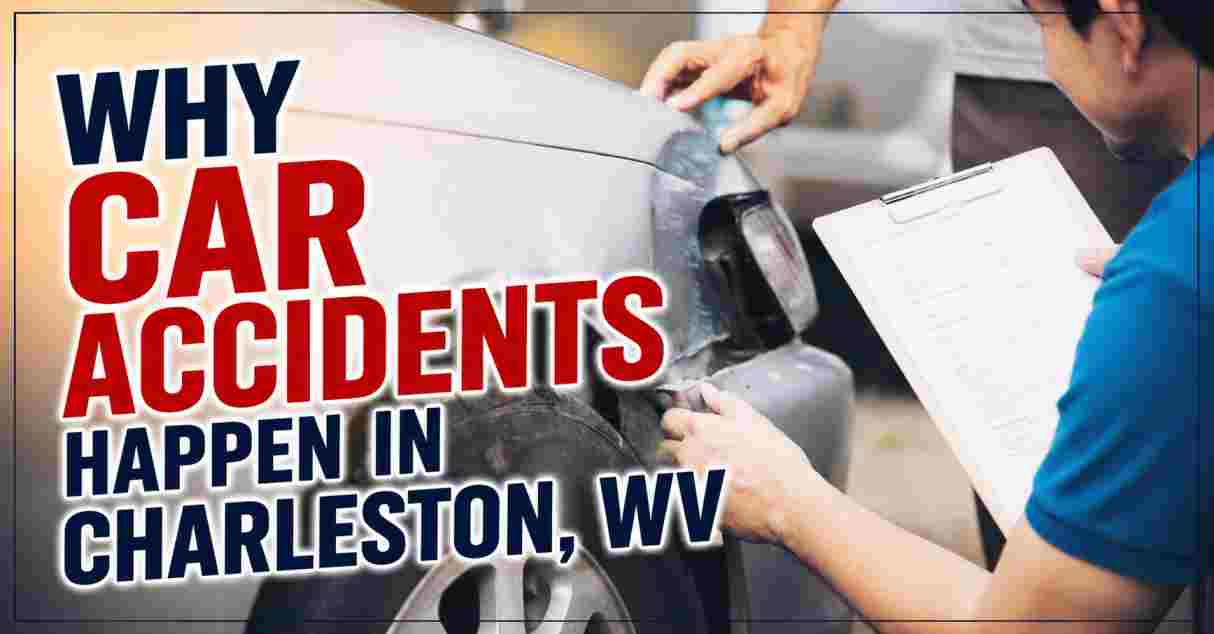
Car accidents happen in Charleston, West Virginia, for many of the same reasons they occur elsewhere, including distracted driving, speeding, impaired driving, and poor weather conditions. However, Charleston’s mix of busy highways, urban traffic, winding roads, and changing terrain can create additional challenges that increase the risk of collisions.
As the capital and largest city in West Virginia, Charleston serves as a major transportation hub for residents, commuters, and commercial traffic. Thousands of vehicles travel through the city each day using major routes such as Interstate 64, Interstate 77, and Interstate 79. The area’s combination of city streets, bridges, and mountain roadways creates unique driving conditions that require constant attention.
When reviewing car accident statistics, many of the contributing factors reflect both driver behavior and the environmental conditions motorists encounter throughout the region.
Distracted Driving Remains a Major Cause
One of the leading causes of car accidents in Charleston is distracted driving.
Modern distractions come in many forms. Drivers may be texting, checking navigation systems, adjusting vehicle controls, eating, or engaging in conversations that take their attention away from the road. Even a few seconds of distraction can significantly increase the likelihood of an accident.
In busy traffic areas, drivers need to react quickly to changing conditions. When attention shifts away from driving, the risk of rear-end collisions, lane departures, and intersection accidents increases substantially.
Speeding Increases the Severity of Crashes
Speeding continues to play a role in many traffic accidents.
When drivers exceed speed limits or travel too fast for road conditions, they have less time to react to hazards. Higher speeds also increase stopping distances and make collisions more severe.
In Charleston, speeding can be particularly dangerous on highways, entrance ramps, and curving roads where sudden changes in traffic patterns may occur. A driver traveling too fast may struggle to maintain control when encountering congestion, weather changes, or unexpected obstacles.
Challenging Road and Terrain Conditions
West Virginia’s mountainous landscape contributes to unique driving challenges.
Charleston’s roadways often include:
- Sharp curves
- Steep grades
- Narrow lanes
- Elevated bridges
- Limited visibility areas
These features require drivers to remain alert and adjust their speed accordingly. Motorists unfamiliar with local roads may find certain sections more difficult to navigate, increasing the likelihood of accidents.
Weather Can Create Hazardous Driving Conditions
Weather conditions frequently contribute to traffic accidents throughout the year.
Rain, fog, snow, and ice can reduce visibility and make roads slippery. During adverse weather, drivers may have difficulty maintaining traction or judging safe stopping distances.
Even experienced drivers can encounter challenges when weather conditions change suddenly. Failing to adjust driving behavior during poor weather often increases the risk of collisions.
Impaired Driving Continues to Be a Concern
Driving under the influence of alcohol or drugs remains a serious safety issue.
Impairment affects judgment, reaction time, coordination, and decision-making abilities. Drivers who are impaired may struggle to recognize hazards, maintain lane position, or react appropriately to traffic conditions.
Because impaired driving creates significant risks for everyone on the road, it continues to be a major focus of traffic safety efforts.
Heavy Traffic and Congestion
As Charleston serves as an important business and government center, certain areas experience periods of heavy traffic.
Congested roadways can contribute to accidents by increasing driver frustration and reducing available reaction time. Stop-and-go traffic often leads to rear-end collisions, particularly when drivers are distracted or following too closely.
Rush hour traffic and construction zones can further increase accident risks in heavily traveled areas.
Driver Fatigue
Fatigued driving is another factor that is often overlooked.
Tired drivers may experience slower reaction times, reduced concentration, and impaired decision-making abilities. In some situations, fatigue can affect driving performance in ways similar to alcohol impairment.
Long commutes, overnight work schedules, and insufficient sleep can all contribute to driver fatigue and increase accident risks.
Failure to Follow Traffic Laws
Many accidents occur because drivers ignore basic traffic rules.
Common violations include:
- Running red lights
- Failing to yield
- Improper lane changes
- Following too closely
- Ignoring traffic signs
These behaviors create dangerous situations that can quickly result in serious collisions.
Key Takeaways
- Distracted driving is one of the leading causes of accidents in Charleston.
- Speeding increases both crash risk and injury severity.
- Mountainous terrain and winding roads can create additional driving challenges.
- Weather conditions often contribute to hazardous road situations.
- Impaired driving remains a significant safety concern.
- Traffic congestion can increase the likelihood of collisions.
- Driver fatigue negatively affects reaction time and judgment.
- Following traffic laws and remaining attentive can help reduce accident risks.