What Do Vegan Diet Statistics Reveal in 2026?
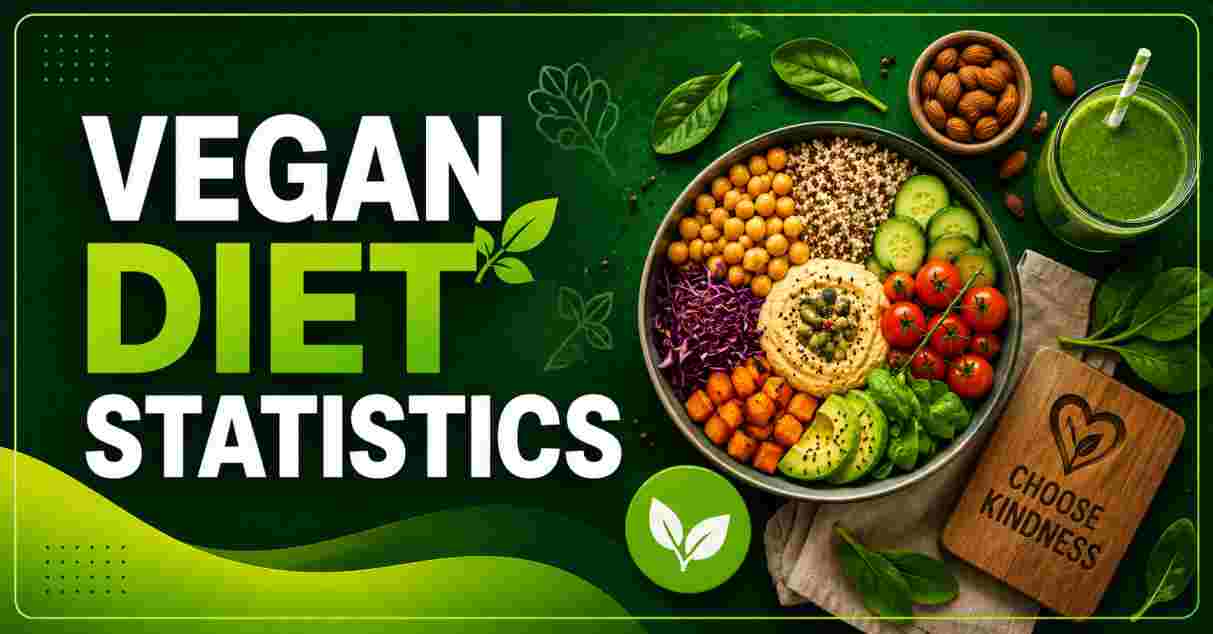
The vegan diet has traveled an extraordinary distance in a remarkably short time — from the fringes of dietary counterculture to a globally recognized lifestyle choice backed by a multi-billion-dollar food industry, an expanding body of scientific research, and a mainstream consumer culture that has made plant-based eating one of the defining food trends of the decade. In 2026, the global vegan food market is valued at approximately $33.3 billion, projected to reach $91.83 billion by 2035 at a compound annual growth rate of 11.79% — making it one of the fastest-growing segments in the entire food and beverage sector. These numbers reflect a shift that goes well beyond a dietary preference: veganism in 2026 is a convergence point for concerns about personal health, animal welfare, environmental sustainability, and the systemic costs of industrial animal agriculture — a set of motivations broad enough to pull in consumers who would never have considered plant-based eating a decade ago.
What makes the 2026 vegan statistics particularly compelling is the degree to which the data now comes from multiple independent directions simultaneously. The health research is increasingly robust: well-designed clinical and epidemiological studies consistently find associations between plant-based diets and lower risks of heart disease, type 2 diabetes, obesity, and certain cancers. The environmental data is unambiguous: animal agriculture accounts for approximately 60% of agricultural greenhouse gas emissions, and a global transition to plant-based diets could cut those emissions by up to 70%. The market data is commercially decisive: North America alone holds a 36.8% share of the global vegan food market, with US consumers driving demand for plant-based alternatives that now occupy space in every major supermarket, fast food chain, and restaurant category. Together, these streams of evidence tell the story of a dietary movement that has crossed from niche to mainstream and is now consolidating that position with economic, scientific, and cultural momentum behind it.
Interesting Facts About Vegan Diet Statistics in 2026
| # | Fact | Key Figure / Source |
|---|---|---|
| 1 | The global vegan food market was valued at $33.3 billion in 2026 and is projected to reach $91.83 billion by 2035 | Econ Market Research, 2026 |
| 2 | The global vegan food market was $22.14 billion in 2025 and is projected to reach $52.56 billion by 2033 at a CAGR of 11.5% | Grand View Research, 2025 |
| 3 | North America accounts for 36.8% of the global vegan food market as of 2025 | Grand View Research, 2025 |
| 4 | Approximately 2% of the US population currently identifies as vegan, with numbers continuing to rise | Media.market.us Veganism Statistics, 2026 |
| 5 | About 14% of US consumers follow a meat-free diet of some kind | Media.market.us Veganism Statistics, 2026 |
| 6 | 3.1% of UK adults were already vegan at end-2025; an additional 3.2% (1.8 million people) planned to go vegan in 2026 | World Animal Foundation, 2026 |
| 7 | Veganism has increased by approximately 360% in the UK over the past decade | World Animal Foundation, 2026 |
| 8 | 22% of the world’s population is vegetarian, and that number is growing — while India leads with 13% vegan adoption | World Animal Foundation Vegetarian Statistics, 2026 |
| 9 | A plant-based diet may lower cancer risk in women by 34% | Market.biz Vegan Statistics, 2026 |
| 10 | A global transition to a vegan diet could cut greenhouse gas emissions by 70%, potentially saving $608 billion by 2050 | Market.biz Vegan Statistics, 2026 |
| 11 | 80% of the world’s leading meat producers are also now producing vegan food items | Sci-Tech-Today Vegan Statistics, 2026 |
| 12 | In January 2025, 25.8 million people worldwide attempted to adopt a vegan lifestyle | World Animal Foundation Vegetarian Statistics, 2026 |
| 13 | Plant-based dairy products lead the plant-based diet market, accounting for 49.1% of total market share in 2024 | Market.biz Vegan Statistics, 2026 |
| 14 | The plant-based milk market is expected to reach $23.8 billion in 2026, driven by lactose intolerance and dairy alternatives demand | World Animal Foundation, 2026 |
| 15 | Over 2,500 companies are selling 65,000+ certified vegan products globally, with 18,000 edible and 30,000 usable | Sci-Tech-Today Vegan Statistics, 2026 |
Source: Econ Market Research Vegan Food Market (2026); Grand View Research Vegan Food Market (2025); World Animal Foundation Veganism Statistics (February 2026); Media.market.us Veganism Statistics (January 2026); Market.biz Vegan Statistics (February 2026); Sci-Tech-Today Vegan Statistics (December 2025); Globe Newswire / Towards FnB (July 2025)
The facts above capture the full scale of the vegan diet’s expansion in 2026 — from consumer adoption percentages to market valuations to environmental projections. The $33.3 billion global market valuation represents a food industry that has grown by an order of magnitude in roughly a decade, driven by a combination of health awareness, ethical concern, environmental consciousness, and critically — the dramatic improvement in the quality, availability, and affordability of vegan food products. When 80% of the world’s leading meat producers are now also producing vegan food items, the plant-based diet has officially become mainstream enough that even its largest commercial rivals have decided to participate rather than resist. This is not a niche movement anymore; it is a market restructuring.
The UK statistics offer a detailed window into how a mature, data-rich market is evolving. 3.1% of UK adults already following a vegan diet — combined with a further 3.2% planning to start in 2026 — suggests that the vegan population in the UK could approach 6.3% of all adults within this calendar year, representing roughly 3.5 million people. The broader context is even more striking: 48% of the UK population says they consume plant-based milk products, meaning that even among people who would not identify as vegan or vegetarian, plant-based choices have already penetrated almost half the population at the product level. This bifurcation — between committed vegans and a much larger population of “flexitarians” or partial plant-based adopters — is one of the most important structural features of the vegan market in 2026.
Vegan Diet Adoption Statistics in 2026 | Global & Regional Data
Vegan / Vegetarian Population by Region (2026 Data)
━━━━━━━━━━━━━━━━━━━━━━━━━━━━━━━━━━━━━━━━━━━━━━━━━━━━━━━━━━━━━━━━━━
India (vegetarian)     ████████████████████████████████████████  ~38% vegetarian; 13% vegan
UK (vegan 2025/26)     ████████████████████████████              3.1–6.3% vegan
Germany                █████████████████████████                 ~10% vegetarian/vegan
Europe (vegan)         ████████████████████████                  3.2% of pop. (~2.6M, 2023)
Canada (vegetarian)    █████████████████████████                 250% growth; 2.3M vegetarians
US (vegan)             ████████████████████                      ~2% vegan; 14% meat-free
Global (vegetarian)    ████████████████████████████████████████  22% of world population
━━━━━━━━━━━━━━━━━━━━━━━━━━━━━━━━━━━━━━━━━━━━━━━━━━━━━━━━━━━━━━━━━━
Scale: Each █ ≈ relative proportional representation
| Region / Country | Vegan / Vegetarian Adoption | Key Trend |
|---|---|---|
| India | ~38% vegetarian; 13% vegan adoption | World’s highest vegan adoption rate; driven by religion, culture, and economics |
| United States | ~2% vegan; ~14% meat-free diet of some kind | Growing; ~60% of Gen Z and Millennials are vegetarian in the US |
| United Kingdom | 3.1% vegan (end-2025); 6.3% if 2026 intentions are realized | 360% growth over past decade; 48% consume plant-based milk |
| Germany | ~10% identify as vegetarian or vegan (8.12 million people) | Significant European market; strong regulatory support |
| Europe (total) | ~3.2% vegan (~2.6 million residents, 2023 figure) | Growing; regulatory momentum from EU Green Deal |
| Canada | Vegetarianism up 250% in recent years; 2.3 million vegetarians, 850,000 vegans | British Columbia leads; government dietary guidelines encourage plant-based |
| China | Estimated 4–5% vegetarian or vegan (~56–70 million people) | Difficult to measure precisely; enormous absolute market |
| Global | 22% of world population is vegetarian (growing) | 25.8 million attempted vegan lifestyle in January 2025 alone |
Source: World Animal Foundation Veganism Statistics (February 2026); Media.market.us (January 2026); World Animal Foundation Vegetarian Statistics (2026); Sci-Tech-Today (December 2025); Grand View Research (2025)
The regional adoption data reveals that veganism and plant-based eating are fundamentally global phenomena in 2026, shaped very differently by cultural, religious, economic, and regulatory contexts in different parts of the world. India’s 13% vegan adoption rate makes it the largest single-country vegan population in the world in percentage terms, driven by a long tradition of vegetarianism rooted in Hindu, Jain, and Buddhist values that predates the modern vegan movement by centuries. For much of India’s lower-income population, plant-based eating is not a lifestyle choice but an economic necessity — yet the outcome in terms of population-level health and environmental impact is broadly consistent with what Western vegan advocates are trying to achieve through deliberate dietary reform.
The United States at ~2% identified vegan tells only part of the story. The 14% who follow a meat-free diet of some kind — encompassing vegetarians, pescatarians, and flexitarians — represents a far larger behavioral cohort whose purchasing decisions collectively drive the massive $36.8% North American share of the global vegan food market. The particularly striking demographic is Gen Z and Millennials, where approximately 60% identify as vegetarian in the US — a cohort that will increasingly dominate household food purchasing over the next two decades and whose dietary preferences are already reshaping product development, restaurant menus, and supply chains across the American food system. This generational shift is arguably the most important structural driver of the vegan market’s long-term growth trajectory.
Vegan Diet Health Benefits Statistics in 2026 | Key Research Data
Documented Health Benefits of Vegan Diet — Evidence Summary (2026)
━━━━━━━━━━━━━━━━━━━━━━━━━━━━━━━━━━━━━━━━━━━━━━━━━━━━━━━━━━━━━━━━━━━
Cancer risk reduction (women)     █████████████████████████████████████  34% lower risk
Heart disease risk                 ████████████████████████████████████   Lower; JAHA study
Type 2 diabetes management         ████████████████████████████████████   Improved A1C levels
Obesity / weight management        ████████████████████████████████       Lower BMI; promotes loss
Blood pressure                     ████████████████████████████████       Lower than omnivores
Dietary fibre intake               ████████████████████████████████████   Double that of omnivores
LDL cholesterol                    ████████████████████████████████       Significantly lower
━━━━━━━━━━━━━━━━━━━━━━━━━━━━━━━━━━━━━━━━━━━━━━━━━━━━━━━━━━━━━━━━━━━
Scale: Each █ ≈ relative strength of evidence or magnitude of benefit
| Health Benefit | Key Data Point | Source |
|---|---|---|
| Cancer risk (women) | Plant-based diet may lower cancer risk by 34% in women | Market.biz citing research literature, 2026 |
| Cardiovascular disease | Plant-based diets associated with lower risk of cardiovascular disease, CVD mortality, and all-cause mortality | Journal of the American Heart Association, 2019 (foundational; widely cited 2026) |
| Type 2 diabetes | Vegan diets help patients manage hemoglobin A1C levels more effectively | Zion Market Research / Clinical studies |
| Weight management | Plant-based diet is well-documented to promote weight loss and maintenance of healthy BMI | Multiple clinical studies; Grand View Research 2025 |
| Blood pressure | Plant-based diets associated with lower blood pressure vs. omnivorous diets | Industry Arc Plant-Based Food Market, 2026 |
| Dietary fibre | Vegans tend to have approximately double the dietary fibre intake of omnivores | Sci-Tech-Today / Research literature, 2026 |
| LDL cholesterol | Vegan diet reduces LDL (“bad”) cholesterol due to elimination of dietary cholesterol sources | Zion Market Research / WHO data |
| NHS cost modelling (UK) | Full plant-based diet adoption in England could save £6.7 billion/year for the NHS; 2.1 million fewer disease cases | Office of Health Economics, 2023 (UK Vegan Society cited) |
| Global health savings projection | Global vegan transition could generate savings of $608 billion by 2050 via reduced environmental damage and healthcare costs | Market.biz citing research literature, 2026 |
| Potential nutritional concerns | Vitamin B12 not readily available in plant foods — requires supplementation; vegans should monitor B12, iron, omega-3 intake | Sci-Tech-Today; Vegan Society guidance, 2026 |
Source: Market.biz Vegan Statistics (2026); Journal of the American Heart Association (Kim et al., 2019); Zion Market Research Vegan Food Market; Grand View Research (2025); Sci-Tech-Today (December 2025); Office of Health Economics (2023) cited via UK Vegan Society; World Animal Foundation (2026)
The health benefits data for vegan diets in 2026 represents one of the most significant evidence accumulations in nutritional science over the past decade, and while research is ongoing and nuanced, several findings have achieved sufficient replication and methodological rigor to be treated as reliable. The 34% lower cancer risk in women associated with plant-based diets is a striking figure that, if confirmed across multiple prospective cohort studies, would make dietary change one of the most powerful modifiable cancer risk factors available. The JAHA study’s finding that plant-based diets associate with lower risks of cardiovascular disease, CVD mortality, and all-cause mortality in a general population of middle-aged adults provides some of the most methodologically robust cardiovascular evidence to date — drawing on the well-established mechanism that plant-based diets reduce dietary cholesterol, saturated fat intake, and inflammatory markers simultaneously.
The NHS cost modelling data from the UK is perhaps the most consequential statistic in this section from a policy perspective: £6.7 billion in annual savings and 2.1 million fewer disease cases from full plant-based diet adoption in England alone represents a public health intervention of staggering potential scale. The $608 billion in global savings by 2050 from reduced environmental and healthcare costs associated with a global dietary transition reinforces the same point from a macroeconomic angle. These are not activist projections — they are economic modelling outputs from government-adjacent research bodies applying standard health economics methodology to dietary shift scenarios. The critical caveat that the data consistently carries is the Vitamin B12 supplementation requirement: B12 is not naturally available in plant foods, and vegans who do not supplement are at genuine risk of deficiency with serious neurological consequences. This is the most important and well-established nutritional risk associated with vegan diets, and responsible reporting on vegan health statistics requires including it alongside the benefits.
Vegan Food Market & Industry Statistics in 2026 | Market Size & Growth
Global Vegan Food Market — Size & Growth Projections (USD Billions)
━━━━━━━━━━━━━━━━━━━━━━━━━━━━━━━━━━━━━━━━━━━━━━━━━━━━━━━━━━━━━━━━━━
2024 Market Value          ████████████████████                  $20.22B (Towards FnB)
2025 Market Value          ████████████████████████              $22.14B–$27.57B
2026 Market Value          ██████████████████████████            $33.3B (Econ Market)
2033 Projection            ████████████████████████████████████  $52.56B–$64.47B
2034–2035 Projection       █████████████████████████████████████ $55.88B–$91.83B
Plant-based milk (2026)    ████████████████████                  $23.8B
Plant-based dairy (mkt sh) ████████████████████                  49.1% of total PB market
━━━━━━━━━━━━━━━━━━━━━━━━━━━━━━━━━━━━━━━━━━━━━━━━━━━━━━━━━━━━━━━━━━
Scale: Each █ ≈ approx. $2.5B
| Market Segment / Metric | Value / Figure | CAGR / Growth Rate |
|---|---|---|
| Global vegan food market (2024) | $20.22 billion | Basis year |
| Global vegan food market (2025) | ~$22.14–$27.57 billion | ~11.2–11.5% CAGR |
| Global vegan food market (2026) | $33.3 billion | Ongoing strong growth |
| Global vegan food market (2033) | $52.56–$64.47 billion | 11.2–11.5% CAGR |
| Global vegan food market (2034–35) | $55.88–$91.83 billion | 10.7–11.79% CAGR |
| North America’s market share (2025) | 36.8% of global vegan food market | Largest regional share |
| Plant-based milk market (2026) | $23.8 billion | CAGR ~15% through 2027 |
| Plant-based dairy — market share | 49.1% of all plant-based food market | Largest single segment |
| Seeds and nuts segment | 35.7% market share (2024) | Growing functional nutrition demand |
| US meat substitutes market | $3.1 billion | Significant; ~$1.6 billion smaller than milk substitutes in US |
| Online distribution channel growth | Expected CAGR 11.8% (2026–2033) | E-commerce fastest-growing channel |
| Vegan food demand growth (Vegan Society, 10-year) | Over 980% growth over past decade | Structural market shift confirmed |
Source: Econ Market Research (2026); Grand View Research (2025); Globe Newswire / Towards FnB (July 2025); Straits Research; World Animal Foundation (2026); Media.market.us (2026)
The vegan food market data in 2026 is remarkable for the consistency of growth rates across multiple independent forecasting sources, all of which cluster around an 11–12% CAGR — a growth rate that, applied to a $22–$33 billion base, means the market is adding $2.5–$4 billion in value annually and on track to more than double within a decade. The $23.8 billion plant-based milk market alone exceeds the size of the entire vegan food market just a few years ago, reflecting the degree to which dairy alternatives have achieved genuine mainstream penetration. Oat milk, almond milk, and soy milk are no longer specialty health food store products; they occupy dedicated refrigerator sections in every major supermarket and are standard menu offerings at coffee chains worldwide. Oatly’s growth, followed by a wave of private-label competitors, has transformed the milk alternative from a niche supplement into a commodity category.
The online distribution channel’s projected 11.8% CAGR from 2026 to 2033 reflects the broader e-commerce shift in grocery purchasing, amplified for vegan products by the fact that specialized vegan items are often unavailable in local stores, making e-commerce the default access route for committed vegans in smaller markets. The 65,000+ certified vegan products from over 2,500 companies means the vegan consumer in 2026 is not navigating a sparse product landscape but a richly stocked one — from Beyond Meat and Impossible Foods at the protein end, to Oatly and Califia Farms in dairy alternatives, to hundreds of specialist companies producing everything from vegan cheese to plant-based seafood to animal-free leather goods. The fact that 80% of major meat producers are also now manufacturing vegan products is perhaps the strongest market signal of all: these companies follow demand with extraordinary precision, and their entry into plant-based production is the strongest possible confirmation that the vegan market’s growth trajectory is real, sustained, and commercially decisive.
Disclaimer: The data research report we present here is based on information found from various sources. We are not liable for any financial loss, errors, or damages of any kind that may result from the use of the information herein. We acknowledge that though we try to report accurately, we cannot verify the absolute facts of everything that has been represented.