What Is the Voting Rights Act?
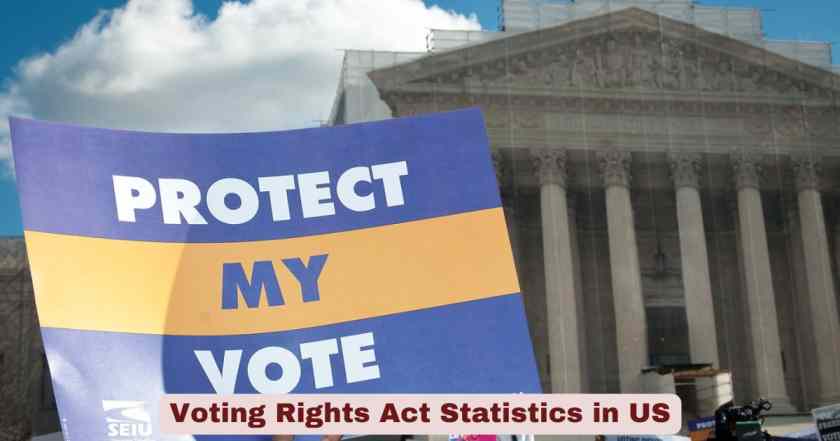
The Voting Rights Act of 1965 (VRA) is the most consequential piece of civil rights legislation in American history. Signed into law on August 6, 1965, by President Lyndon B. Johnson, the Act was the direct legislative response to decades of systematic voter suppression against Black Americans and other racial minorities — enforced through literacy tests, poll taxes, grandfather clauses, and outright physical violence. The catalyst that finally broke congressional inertia was “Bloody Sunday,” March 7, 1965, when peaceful marchers in Selma, Alabama, were beaten by state troopers on the Edmund Pettus Bridge as they began a march to Montgomery to demand voting rights. Television coverage of that violence reached every American living room and changed the country. Within five months, the Voting Rights Act was law. Its two central mechanisms were Section 5 preclearance — requiring states with a history of discrimination to get federal approval before changing any voting rule — and Section 2, a nationwide prohibition on voting laws or practices that deny equal political opportunity based on race, color, or language-minority status.
By April 30, 2026, the Voting Rights Act stands dramatically diminished but not yet dead — a legal framework that has been gutted by three landmark Supreme Court decisions over 13 years, yet continues to provide residual protections that civil rights advocates defend in courtroom after courtroom. The most recent blow landed just yesterday: on April 29, 2026, the Supreme Court issued a 6–3 ruling in Louisiana v. Callais, adopting a stricter standard for Section 2 claims and effectively completing what the Court began in Shelby County v. Holder (2013) and continued in Brnovich v. DNC (2021). Legal scholars are already calling it the third in a trilogy of decisions that has, as Common Cause’s Omar Noureldin put it, achieved “the dismantling of the Voting Rights Act.” Simultaneously, the Trump administration’s DOJ has sued 30 states to force them to hand over unredacted voter files for a national database — an initiative that itself is being challenged in federal courts as unconstitutional. The numbers behind all of this — cases filed, states affected, laws enacted, voters disenfranchised — are documented in full below.
Interesting Key Facts About the Voting Rights Act in 2026
Before the statistical deep-dive, here are the most striking and historically significant facts about the Voting Rights Act — including the latest 2026 developments confirmed from official government and authoritative legal sources.
| Fact | Detail |
|---|---|
| VRA signed into law | August 6, 1965 — by President Lyndon B. Johnson |
| Catalyst for the VRA | “Bloody Sunday,” March 7, 1965 — Edmund Pettus Bridge, Selma, Alabama |
| VRA reauthorized | 1970, 1975, 1982, 2006 — the 2006 reauthorization passed unanimously in the Senate |
| Registration gap pre-VRA | Nearly 30 percentage points between white and Black voter registration in early 1960s |
| Registration gap one decade after VRA | Fell to 8 percentage points — the Act’s immediate measurable impact |
| Section 5 gutted | Shelby County v. Holder (2013) — struck down the coverage formula; Section 5 now unenforceable |
| Section 2 weakened | Brnovich v. DNC (2021) — Supreme Court restricted Section 2 lawsuits significantly |
| Section 2 gutted further | Louisiana v. Callais (April 29, 2026) — 6–3 ruling adopts stricter intentional-discrimination standard |
| Section 2 maps changed | In the last decade, federal courts ordered changes to 29 maps or electoral systems under Section 2 |
| Restrictive voting laws (2025) | 31 restrictive laws enacted in 16 states — second highest total since Brennan Center began tracking in 2011 |
| Restrictive bills considered (2025) | At least 486 restrictive bills considered in 47 states |
| Restrictive laws since 2020 | At least 30 states enacted 110 restrictive voting laws since the 2020 election |
| Election interference laws (2025) | 7 states enacted 8 election interference laws — all in effect for 2026 midterms |
| DOJ voter data lawsuits | Since May 2025, DOJ sued 30 states to force handover of unredacted voter rolls |
| States dismissing DOJ data suits | Courts in 5 states — Michigan, Oregon, California, Massachusetts, Rhode Island — dismissed DOJ lawsuits |
| States voluntarily complying | At least 12 states voluntarily handed over voter data to DOJ |
| DOJ voter data demands | DOJ demanded voter files from 44 states + D.C. since May 2025 |
| 2024 total voter turnout | 155+ million Americans — 64% of eligible voters — voted in 2024 presidential election |
| Black eligible voters 2024 | 34.4 million — representing 14.0% of total US eligible voter population |
| Racial turnout gap growing | Since 2012, Black presidential turnout has trended downward — now ~5 points below 2008 peak |
| Youth turnout gap by race (2024) | White youth: 55%; Black youth: 34%; Latino youth: 32% |
| Purge rate increase post-Shelby | Median voter purge rate in formerly covered counties was 40% higher than other jurisdictions after 2013 |
| Voter ID — states with strict laws | As of 2026, a majority of US states have some form of voter ID law |
| Citizens lacking proof of citizenship | 21.3 million citizens (9%) do not have easy access to documentary proof of citizenship |
| No documentary proof of citizenship | An estimated 3.8 million citizens lack access to any form of documentary proof of citizenship |
Source: Brennan Center for Justice State Voting Laws Roundup 2025 (December 2025); U.S. Department of Justice Civil Rights Division Voting Section; U.S. Census Bureau 2024 Presidential Election Voting and Registration Tables (2025); Pew Research Center; SCOTUSblog Louisiana v. Callais ruling (April 29, 2026); Congress.gov CRS Report LSB11419 (April 2026); ACLU; Tufts CIRCLE 2024 Youth Vote Analysis
The facts above capture a voting rights landscape that is simultaneously historic and in active legal crisis. The gap between the 30-percentage-point registration disparity of the early 1960s and the 8-point gap a decade after the VRA is the single most powerful argument for why the law was necessary and effective — it produced a measurable democratic transformation in just ten years. The unanimous Senate reauthorization in 2006 is a reminder of how broadly popular the VRA once was across partisan lines, which makes the subsequent judicial dismantling all the more striking. The Callais ruling of April 29, 2026 is the freshest wound: with Section 2 now requiring proof of intentional race discrimination — rather than simply disparate racial impact — civil rights advocates say it is nearly impossible to challenge discriminatory maps or voting rules through the courts. The DOJ’s unprecedented demand for voter data from 44 states and D.C. represents an entirely different front of the voting rights battle, one where the federal government is now the aggressor rather than the protector.
VRA Section 5 Preclearance Statistics 2013–2026 | The Collapse of Federal Oversight
| Section 5 Metric | Pre-2013 | Post-Shelby (2013–2026) |
|---|---|---|
| States fully covered by Section 5 | 9 states | 0 (unenforceable) |
| Additional partially covered jurisdictions | Counties in 6 states | 0 (unenforceable) |
| Preclearance reviews conducted annually (peak) | ~3,000+ changes per year | None |
| Preclearance changes denied (1965–2013) | ~1,200 changes blocked | — |
| Voter purge rate — formerly covered counties | Baseline | +40% higher post-Shelby |
| States enacting strict photo ID within 24hr of Shelby | 0 | 4 (TX, NC, MS, AL) |
| Racial gap in turnout — formerly covered areas | Narrowing pre-2013 | Growing post-2013 |
| Congressional action to restore Section 5 | — | None enacted (as of April 2026) |
| John Lewis Voting Rights Advancement Act | — | Passed House; stalled in Senate repeatedly |
Source: Brennan Center for Justice — “The Voting Rights Act, Explained”; U.S. DOJ Civil Rights Division; Wikipedia — Voting Rights Act of 1965 (updated April 2026); Carnegie Corporation Voting Rights Timeline
The dismantling of Section 5 preclearance through Shelby County v. Holder in 2013 is the single most consequential rollback of voting rights protections since the Jim Crow era. The preclearance system had, for nearly five decades, served as the essential mechanism of proactive prevention — instead of waiting for discriminatory laws to harm voters and then suing to reverse them, Section 5 required covered jurisdictions to prove in advance that proposed changes would not make minority voters worse off. The ~1,200 voting changes blocked over the life of Section 5 represent real instances of discrimination that never reached voters because the preclearance system caught them first. Since 2013, that proactive protection has been gone entirely. The 40% higher purge rate in formerly covered counties is not a coincidence — it is a direct, documented consequence of removing the oversight that had constrained those officials. Congress has repeatedly failed to pass the John Lewis Voting Rights Advancement Act, which would update the coverage formula and restore preclearance, leaving the system in legislative limbo even as courts continue to adjudicate its aftershocks.
VRA Section 2 Cases & Supreme Court Statistics 2021–2026
Section 2 of the Voting Rights Act — Timeline of SCOTUS Erosion
━━━━━━━━━━━━━━━━━━━━━━━━━━━━━━━━━━━━━━━━━━━━━━━━━━━━━━━━━━━━━
1982    Congress strengthened Section 2 — results test added
        Overturned Mobile v. Bolden (1980 intent-only ruling)

1986    Thornburg v. Gingles — SCOTUS confirms "results" test
        Hundreds of Jim Crow-era at-large systems abolished

2013    Shelby County v. Holder — Section 5 gutted

2021    Brnovich v. DNC — Section 2 narrowed significantly
        "Totality of circumstances" reinterpreted; disparate
        impact alone no longer sufficient

Jul 2025  SCOTUS issued emergency stay in Eighth Circuit case
          Temporarily preserved private right of action in
          AR, IA, MN, MO, NE, ND, SD — 7 states

Oct 2025  Oral arguments: Louisiana v. Callais
          Conservative justices signal further restriction

Apr 29, 2026  Louisiana v. Callais decided — 6–3
              Stricter intentional-discrimination standard adopted
              "Completes the dismantling" — Common Cause
━━━━━━━━━━━━━━━━━━━━━━━━━━━━━━━━━━━━━━━━━━━━━━━━━━━━━━━━━━━━━
Maps changed under Section 2 (last decade): 29 total| Section 2 Statistic / Case | Detail | Year |
|---|---|---|
| Maps/electoral systems changed under Section 2 (last decade) | 29 total — incl. congressional, legislative & local maps | 2014–2024 |
| Congressional maps changed | Alabama, Georgia, Louisiana | Recent decade |
| Legislative maps changed | AL, GA, LA, MS, ND, WA | Recent decade |
| Local government maps/at-large systems changed | 19 maps | Recent decade |
| Share of Section 2 cases at local level | ~50% of all Section 2 challenges | Historical |
| Brnovich v. DNC | Narrowed Section 2 — disparate impact alone insufficient | 2021 |
| Eighth Circuit ruling — private right of action | Held private parties cannot sue under Section 2 in AR, IA, MN, MO, NE, ND, SD | 2024–2025 |
| SCOTUS emergency stay — Eighth Circuit | Temporarily preserved private suits in 7 states | July 24, 2025 |
| Louisiana v. Callais oral arguments | Conservative majority signalled stricter standard | October 15, 2025 |
| Louisiana v. Callais ruling | 6–3 decision — intentional-discrimination standard tightened | April 29, 2026 |
| Turtle Mountain Band of Chippewa v. Howe | Challenges procedural enforcement mechanism of VRA | Pending — 2025–26 term |
Source: Brennan Center for Justice — Section 2 at the Supreme Court (April 2026); SCOTUSblog Louisiana v. Callais coverage (April 29, 2026); Congress.gov CRS Report LSB11419 (April 14, 2026); Bloomberg Law / BGOV (April 29, 2026); GovFacts.org VRA Analysis (December 2025)
The Section 2 timeline tells the story of a provision that was built to be the last line of defense after Section 5’s demise — and has now itself been significantly narrowed. The 29 maps or electoral systems changed in the last decade under Section 2 represents meaningful, concrete democratic progress: majority-minority congressional districts in Alabama, Georgia, and Louisiana; legislative district changes in six states; and 19 local government maps that replaced discriminatory at-large systems with single-member districts actually allowing minority communities to elect candidates of their choice. All of that work was done under the old Section 2 standards. The Callais ruling of April 29, 2026 changes the calculus for every case that would have been filed going forward. By requiring proof of intentional racial discrimination — rather than simply a discriminatory result — the Court has restored a standard that civil rights attorneys describe as nearly impossible to meet, given how rarely modern legislatures leave written records of discriminatory intent. Harvard Law professor Nicholas Stephanopoulos has noted that maps drawn after Callais “will then be largely immune from Section 2 claims.”
Restrictive Voting Laws Statistics by State 2025 | The Legislative Wave
Restrictive Voting Laws Enacted — Historical Comparison (Brennan Center)
━━━━━━━━━━━━━━━━━━━━━━━━━━━━━━━━━━━━━━━━━━━━━━━━━━━━━━━━━━━━━
Year    Restrictive Laws    States    Notes
━━━━━━━━━━━━━━━━━━━━━━━━━━━━━━━━━━━━━━━━━━━━━━━━━━━━━━━━━━━━━
2021    32 laws             17 states All-time record
2022    —                   —         Lower activity
2023    —                   —         Expansive laws dominant
2024    19 laws             10 states Active year
2025    31 laws             16 states 2nd highest on record
━━━━━━━━━━━━━━━━━━━━━━━━━━━━━━━━━━━━━━━━━━━━━━━━━━━━━━━━━━━━━
2025: First year since 2021 that restrictive laws
      outnumbered expansive laws
Since 2020: 30 states enacted 110 restrictive voting laws
━━━━━━━━━━━━━━━━━━━━━━━━━━━━━━━━━━━━━━━━━━━━━━━━━━━━━━━━━━━━━| 2025 Voting Law Metric | Figure | Source |
|---|---|---|
| Restrictive voting laws enacted in 2025 | 31 laws in 16 states | 2nd highest since Brennan Center began tracking (2011) |
| Restrictive bills considered in 2025 | At least 486 bills in 47 states | Brennan Center / Voting Rights Lab |
| Election interference laws enacted (2025) | 8 laws in 7 states | All in effect for 2026 midterms |
| Election interference bills considered | At least 129 bills in 31 states | Brennan Center |
| Expansive voting laws enacted (2025) | 30 laws in 25 states | First year expansive ≈ restrictive count since 2020 |
| Expansive bills considered (2025) | At least 631 bills — at least 1 in all 50 states | Brennan Center |
| Restrictive laws in effect for 2026 midterms | 30 of the 31 (plus parts of 31st) | Brennan Center |
| States enacting stricter voter ID in 2025 | 7 states | Voting Rights Lab |
| States enacting Election Day mail ballot deadlines (2025) | 3 states (Kansas, North Dakota, Utah, plus Ohio) | Voting Rights Lab |
| Cumulative restrictive laws since 2020 | 30 states, 110 restrictive laws | Brennan Center |
| Cumulative expansive laws since 2021 | 46 states + D.C. — 200 expansive laws | Brennan Center |
| States with pre-filed restrictive bills for 2026 | 23 states — 187 carryover bills | Brennan Center |
Source: Brennan Center for Justice — State Voting Laws Roundup 2025 in Review (December 2025); Voting Rights Lab — 2025 Legislative Sessions Wrap-Up (November 2025); Brennan Center State Voting Laws tracker (2026)
The 31 restrictive voting laws enacted in 2025 represent the second most active year of voter suppression legislation since the Brennan Center began tracking state voting laws in 2011. Only 2021’s record of 32 laws exceeded it, and that year came in the immediate wake of the 2020 election — a period supercharged by false fraud claims. What makes 2025 different is the accompanying context: 2025 was the first year since 2021 in which restrictive laws outnumbered expansive ones, breaking a five-year trend of states making voting easier than harder on net. The seven states that tightened voter ID laws — including Kentucky, Montana, and West Virginia, which eliminated non-photo ID alternatives entirely — represent real-world consequences for voters who are registered but lack qualifying identification. The 187 restrictive bills carried over into 2026 legislative sessions from 2025, including 78 targeting mail voting and 59 imposing stricter ID requirements, signal that the legislative wave is not receding heading into the November 2026 midterms. Critically, the cumulative total of 110 restrictive laws since the 2020 election across 30 states is the sustained, multi-year policy shift that contextualises any single year’s data.
DOJ Voter Data Lawsuits Statistics 2025–2026 | The National Database Fight
DOJ Voter Roll Demand & Lawsuit Tracker (May 2025 – April 2026)
━━━━━━━━━━━━━━━━━━━━━━━━━━━━━━━━━━━━━━━━━━━━━━━━━━━━━━━━━━━━━
May 2025      DOJ demands voter rolls from 44 states + D.C.
Sep 2025      DOJ begins filing lawsuits against states refusing
Oct 2025      24+ states sued (Brennan Center tracker)
Dec 2025      DOJ sues 4 more states; sues 4 localities
Jan 6, 2026   DOJ sues 4 more states
Total suits:  30 states sued (ACLU count, April 2026)
━━━━━━━━━━━━━━━━━━━━━━━━━━━━━━━━━━━━━━━━━━━━━━━━━━━━━━━━━━━━━
Courts dismissing DOJ voter data lawsuits (to April 2026):
  Michigan ✓  |  Oregon ✓  |  California ✓
  Massachusetts ✓  |  Rhode Island ✓

States voluntarily complying (12+):
  Alaska, Arkansas, Indiana, Louisiana, Mississippi,
  Nebraska, Ohio, Oklahoma, South Dakota, Tennessee,
  Texas, Wyoming
━━━━━━━━━━━━━━━━━━━━━━━━━━━━━━━━━━━━━━━━━━━━━━━━━━━━━━━━━━━━━| DOJ Voter Data Initiative Metric | Figure / Status |
|---|---|
| States + D.C. receiving DOJ voter roll demands | 44 states + D.C. (since May 2025) |
| Total states sued by DOJ for non-compliance | 30 states (as of April 2026) |
| States with DOJ lawsuits dismissed | 5 states — MI, OR, CA, MA, RI |
| States voluntarily complying | At least 12 states |
| Executive Order authorising demands (EO 14,248) | Signed March 2025 — directed AG to pursue data-sharing |
| Second Executive Order (EO 14,399) | Signed March 2026 — directed DHS to compile citizen eligibility list |
| Related federal lawsuits filed against DOJ/DHS | Multiple — incl. Common Cause v. DOJ (Apr 21, 2026); League of Women Voters v. DHS (Sep 30, 2025) |
| State-level challenges to compliance | Pending in Nebraska and other states |
| DOJ legal claim cited | Civil Rights Act of 1960, NVRA, HAVA |
| Courts’ characterisation (California ruling) | “An alarming picture regarding centralization of Americans’ information” |
| Data at risk | Driver’s license numbers, partial Social Security numbers |
| Privacy expert assessment | Each of 17 state rolls collected “a criminal violation” (DOJ privacy adviser) |
Source: Brennan Center for Justice (January 2026); ACLU press release (April 21, 2026); Protect Democracy (April 2026); U.S. DOJ Civil Rights Division Recent Activities; University of Wisconsin Law School State Democracy Research Initiative tracker (April 26, 2026); NPR (April 3, 2026); JURIST (April 21, 2026)
The DOJ’s campaign to collect unredacted voter files from 44 states and D.C. represents something genuinely new in American election law — for the first time in history, the federal executive branch is attempting to compile a single national voter registration database containing sensitive personal information, including driver’s license numbers and partial Social Security numbers, from every state in the country. The 30 states sued by the DOJ for refusing to comply have argued, and courts in five states have agreed, that the DOJ has not provided a legally sufficient justification for these sweeping demands. The California federal court’s ruling was particularly pointed, noting that DOJ’s stated purpose of “voter roll maintenance enforcement” was contradicted by statements from DOJ officials that suggested very different motivations. The 12 states that voluntarily complied have accepted a memorandum of understanding requiring them to also “clean” their voter rolls at the DOJ’s future instruction — a provision critics describe as an invitation to mass voter purges. The Common Cause v. DOJ lawsuit filed April 21, 2026, argues the entire initiative violates the federal Privacy Act and the constitutional principle that states, not the federal government, administer elections.
US Voter Registration & Turnout Statistics 2024–2026 | Racial & Demographic Gaps
2024 Presidential Election Turnout by Group (US Census Bureau)
━━━━━━━━━━━━━━━━━━━━━━━━━━━━━━━━━━━━━━━━━━━━━━━━━━━━━━━━━━━━━
Overall turnout: 64% of eligible voters (155M+ votes cast)
(Second-highest since 1908; only 2020's 66% was higher)

By Education:
  Advanced degree:  82.5%
  Bachelor's:       77.2%
  High school grad: 52.5%

By Race — Youth Voters (18–29):
  White youth:      55%   ████████████████████████████
  Asian youth:      43%   ██████████████████████
  Black youth:      34%   █████████████████
  Latino youth:     32%   ████████████████

By Gender:
  Women registered more than men by 8.7 MILLION (2024)
  Women have voted at higher rates than men since 1980
━━━━━━━━━━━━━━━━━━━━━━━━━━━━━━━━━━━━━━━━━━━━━━━━━━━━━━━━━━━━━| Voter Turnout / Registration Metric | Figure | Source / Year |
|---|---|---|
| Total votes cast — 2024 presidential election | 155+ million Americans | US Census Bureau, 2025 |
| National turnout rate — 2024 | 64% of eligible voters | Pew Research Center (June 2025) |
| National turnout rate — 2020 | 66% (highest since 1908) | Pew Research Center |
| Black eligible voters (2024) | 34.4 million — 14.0% of US total | Pew Research Center (2024) |
| Latino eligible voters (2024) | 36+ million | Pew Research Center / UnidosUS |
| White-Black voter registration gap | Pre-VRA: ~30 points; one decade post-VRA: ~8 points | Brennan Center historical |
| White-Latino registration gap (current) | ~13 percentage points | NPR / Census data (2024) |
| White-Asian registration gap (current) | ~9 percentage points | NPR / Census data (2024) |
| Black presidential turnout trend | Down ~5 points from 2008 peak by 2024 | GoodAuthority / Caughey et al. (Oct 2025) |
| Youth turnout gap — white vs Black (2024) | 55% vs 34% — 21-point gap | Tufts CIRCLE (April 2025) |
| Young Latino men turnout (2024) | 27% — lowest of any youth subgroup | Tufts CIRCLE |
| Young Black men turnout (2024) | 25% — near-lowest among youth | Tufts CIRCLE |
| Women registered vs men (2024) | Women exceed men by 8.7 million registered voters | CAWP Rutgers |
| Voting methods — 2024 | In person Election Day: 39.6%; Early in person: 30.7%; Mail: 29.0% | US Census Bureau |
Source: US Census Bureau 2024 Presidential Election Voting and Registration Tables (released 2025); Pew Research Center Voter Turnout 2020 and 2024 (June 2025); Tufts CIRCLE New Data: Nearly Half of Youth Voted in 2024 (April 2025); NPR Voter Registration Gap (2024); CAWP Rutgers — Gender Differences in Voter Registration and Turnout; GoodAuthority — 2024 Brought High Voter Turnout But a Growing Racial Gap (October 2025)
The 64% national turnout in 2024 is, on its face, a number to celebrate — it made 2024 the second-highest-turnout presidential election since 1908, and 155 million Americans casting votes represents genuine mass democratic participation. But embedded in those aggregate numbers is a structural inequality story that the Voting Rights Act was designed to address and has increasingly failed to contain. The 21-point turnout gap between white youth (55%) and Black youth (34%) in 2024, and the near-identical gap for Latino youth (32%), shows that the disenfranchisement of young minority voters is not a historical artifact — it is an ongoing present-tense reality. The declining Black presidential turnout since 2008’s peak is particularly significant because it coincides almost precisely with the period of accelerating state voter restrictions post-2013. The 8.7 million more women than men registered to vote is a structural feature of the American electorate that has held since 1980, yet women’s representational power continues to be undercut by majority-minority district dilution and other practices that the VRA was specifically designed to prevent. The voting methods data — 29% by mail in 2024 — underscores why the wave of state laws restricting mail voting carries such direct voter-impact consequences.
Voter ID Law Statistics by State 2026 | Requirements & Impact
Voter ID Law Landscape — US States (2026)
━━━━━━━━━━━━━━━━━━━━━━━━━━━━━━━━━━━━━━━━━━━━━━━━━━━━━━━━━━━━━
Strict Photo ID Required      ~35 states (majority)
Non-photo ID acceptable       Fewer states — declining
No ID required                Smallest group — shrinking
━━━━━━━━━━━━━━━━━━━━━━━━━━━━━━━━━━━━━━━━━━━━━━━━━━━━━━━━━━━━━
2025 changes: 7 states TIGHTENED existing ID laws
  KY, MT, WV: eliminated non-photo ID options entirely
  IN, WY: passed proof-of-citizenship requirements
  Wisconsin: enshined photo ID requirement in state constitution
━━━━━━━━━━━━━━━━━━━━━━━━━━━━━━━━━━━━━━━━━━━━━━━━━━━━━━━━━━━━━
SAVE Act: stalled in Senate; blocked by courts via executive order
━━━━━━━━━━━━━━━━━━━━━━━━━━━━━━━━━━━━━━━━━━━━━━━━━━━━━━━━━━━━━| Voter ID Statistic | Figure | Notes |
|---|---|---|
| States that tightened voter ID in 2025 | 7 states | Voting Rights Lab |
| States eliminating non-photo ID alternatives (2025) | Kentucky, Montana, West Virginia | Brennan Center / Voting Rights Lab |
| States passing proof-of-citizenship requirements (2025) | Indiana, Wyoming | Brennan Center Oct 2025 |
| State constitutionally entrenching photo ID (2025) | Wisconsin (April 2025 vote) | Wisconsin had statutory requirement since 2011 |
| States considering proof-of-citizenship laws in 2025 | “Dozens of states” considered it | Brennan Center |
| States enacting proof-of-citizenship laws in 2025 | Only Indiana and Wyoming | Brennan Center |
| SAVE Act (federal proof-of-citizenship) | Stalled in Senate | Needed 60 votes; blocked by filibuster |
| Citizens without easy access to proof of citizenship | 21.3 million (9% of citizens) | Brennan Center (June 2024 study) |
| Citizens with no documentary proof of citizenship | 3.8 million | Brennan Center |
| Impact on minorities | ~4% of Independents, 2% of Democrats, 1% of Republicans lack proof | Brennan Center |
| Post-Shelby: formerly covered states — voter ID | TX, NC, MS, AL moved to strict photo ID within 24 hours of ruling | Brennan Center / Wikipedia |
| Georgia “exact match” law (2017) | ~80% of blocked registrations were people of color | Brennan Center |
| Carryover restrictive ID bills for 2026 | 59 bills in 23 states would create stricter ID requirements | Brennan Center Dec 2025 |
Source: Brennan Center for Justice — State Voting Laws Roundup 2025 in Review (December 2025); Voting Rights Lab 2025 Legislative Sessions (November 2025); Brennan Center June 2024 documentary proof-of-citizenship study; Wikipedia — Voter Identification Laws in the United States (updated March 2026)
The voter ID landscape in 2026 represents one of the VRA’s most contested terrain — and the numbers reveal a clear direction of travel. In 2025, seven states tightened existing voter ID requirements, and three of them — Kentucky, Montana, and West Virginia — went further than just requiring photo ID: they eliminated the non-photo ID alternatives that had previously allowed registered voters without government-issued photo identification to still cast a ballot using a utility bill, bank statement, or other document. That incremental tightening matters enormously for the 21.3 million citizens who lack easy access to documentary proof of citizenship — a population that skews older, poorer, rural, and minority. The 3.8 million citizens with no documentary proof of citizenship whatsoever would be entirely blocked from voting under a fully implemented SAVE Act requirement — and the Brennan Center’s finding that 4% of Independents, 2% of Democrats, and only 1% of Republicans fall into this category gives a clear picture of whose voting power is most at risk. Wisconsin’s constitutional enshrinement of photo ID in April 2025 — taking a statutory requirement and locking it into the state constitution — signals the direction: making these requirements harder to repeal or modify legislatively in the future.
VRA & Redistricting Statistics 2025–2026 | Louisiana, Alabama & the Courts
Key VRA Redistricting Cases — 2025–2026 SCOTUS Term
━━━━━━━━━━━━━━━━━━━━━━━━━━━━━━━━━━━━━━━━━━━━━━━━━━━━━━━━━━━━━
Louisiana v. Callais (Decided April 29, 2026)
  • Issue: Whether creating a 2nd majority-Black district
    to remedy Section 2 violation violates 14th/15th Amendments
  • Ruling: 6–3 — stricter intentional-discrimination standard
    for Section 2; partisan-purpose defense now available
  • Impact: Immunity for post-Callais discriminatory maps

Turtle Mountain Band of Chippewa Indians v. Howe
  • Issue: Whether private parties can bring Section 2 suits
  • Status: Pending decision — expected by July 2026
  • Stakes: If private right eliminated, only DOJ can sue

Eighth Circuit — private right of action (2024–2025)
  • Held private parties CANNOT sue under Section 2 in 7 states
  • SCOTUS emergency stay issued July 24, 2025
━━━━━━━━━━━━━━━━━━━━━━━━━━━━━━━━━━━━━━━━━━━━━━━━━━━━━━━━━━━━━
Louisiana population: ~1/3 Black → only 1 of 6 districts
was majority-Black under 2022 map (pre-remedy)| Redistricting / Case Statistic | Figure / Status |
|---|---|
| Louisiana Black population share | ~1/3 (33%) of total state population |
| Majority-Black congressional districts in Louisiana (2022 map) | 1 out of 6 |
| Majority-Black districts required by lower court ruling | 2 out of 6 |
| Louisiana v. Callais decision | 6–3 — April 29, 2026; tightened Section 2 standard |
| Decision author | Justice Samuel Alito (majority); Justice Elena Kagan (dissent) |
| Kagan dissent characterisation | Would “get rid of Section 2” |
| Sotomayor assessment | “Pretty catastrophic” for minority representation |
| Turtle Mountain Band v. Howe | Pending — decision expected by July 2026 |
| Eighth Circuit private right of action ruling | 7 states where only DOJ could sue under Section 2 |
| SCOTUS emergency stay | Issued July 24, 2025 — preserved private suits temporarily |
| Congressional maps changed in last decade (Section 2) | AL, GA, LA — 3 states |
| Watson v. RNC (mail ballot case) | Pending — SCOTUS to rule by July 2026 |
Source: Congress.gov CRS Report LSB11419 (April 14, 2026); SCOTUSblog Louisiana v. Callais (April 29, 2026); Bloomberg Law / BGOV (April 29, 2026); ACLU press release (April 29, 2026); GovFacts.org VRA Analysis (December 2025); Brennan Center Section 2 at the Supreme Court (April 2026)
The redistricting statistics tell a mathematically simple story with profound democratic implications. Louisiana’s congressional map, drawn after the 2020 census, gave the state’s roughly 33% Black population representation in just 1 of 6 congressional districts — about 17% of seats for a third of the population. A federal district court found this violated Section 2 and ordered the drawing of a second majority-Black district. The state legislature complied, drawing a new map. A separate group of voters then challenged that remedy as unconstitutional racial gerrymandering — and the Supreme Court’s April 29, 2026 ruling in Callais sided with those challengers, adopting the stricter “intentional discrimination” standard that makes future Section 2 redistricting remedies far harder to sustain. The Turtle Mountain Band case still pending before the Court could deliver the final blow: if the Court rules that only the DOJ — and not private citizens or civil rights organisations — can bring Section 2 lawsuits, enforcement of the entire VRA becomes entirely dependent on which administration holds power. Under an administration hostile to voting rights, the law would become entirely dormant.
Voting Rights Statistics Quick Reference 2026
| Statistic | Figure |
|---|---|
| VRA signed | August 6, 1965 |
| VRA reauthorizations | 1970, 1975, 1982, 2006 |
| Registration gap — pre-VRA | ~30 percentage points (white vs Black) |
| Registration gap — 10 years post-VRA | ~8 percentage points |
| Section 5 gutted | Shelby County v. Holder — June 25, 2013 |
| Section 2 narrowed | Brnovich v. DNC — 2021 |
| Section 2 further gutted | Louisiana v. Callais — April 29, 2026 |
| Section 2 maps changed (last decade) | 29 maps or electoral systems |
| Voter purge rate post-Shelby | +40% higher in formerly covered counties |
| Restrictive laws enacted (2025) | 31 laws — 16 states |
| Restrictive bills considered (2025) | 486 bills — 47 states |
| Restrictive laws since 2020 | 110 laws — 30 states |
| Election interference laws (2025) | 8 laws — 7 states |
| Voter ID laws tightened (2025) | 7 states |
| States eliminating non-photo ID alternatives (2025) | KY, MT, WV |
| Citizens lacking easy citizenship proof | 21.3 million (9%) |
| Citizens with no citizenship proof | 3.8 million |
| DOJ states sued for voter data | 30 states (since May 2025) |
| States with DOJ suits dismissed | 5 states — MI, OR, CA, MA, RI |
| States complying with DOJ data demands | At least 12 states |
| 2024 total votes cast | 155+ million Americans |
| 2024 national turnout | 64% of eligible voters |
| Black eligible voters (2024) | 34.4 million (14.0%) |
| Latino eligible voters (2024) | 36+ million |
| Youth turnout — White vs Black (2024) | 55% vs 34% — 21-point gap |
| Young Black men turnout (2024) | 25% |
| Young Latino men turnout (2024) | 27% |
| Women vs men registered voters gap | Women exceed men by 8.7 million |
| White-Latino registration gap | ~13 percentage points |
| White-Asian registration gap | ~9 percentage points |
| Carryover restrictive bills for 2026 | 187 bills — 23 states |
| Turtle Mountain Band v. Howe | Pending — expected by July 2026 |
| Watson v. RNC (mail ballots) | Pending — expected by July 2026 |
Source: Brennan Center for Justice (State Voting Laws Roundup 2025 in Review, December 2025; State Voting Laws tracker; Section 2 at SCOTUS April 2026); U.S. Department of Justice Civil Rights Division; U.S. Census Bureau 2024 Voting and Registration Tables; Pew Research Center (June 2025, January 2024); Tufts CIRCLE (April 2025); SCOTUSblog (April 29, 2026); Congress.gov CRS Report LSB11419 (April 14, 2026); Voting Rights Lab (November 2025); ACLU (April 21, 2026); CAWP Rutgers; GoodAuthority (October 2025)
The data in this master table captures a voting rights landscape defined by three simultaneous pressures that are each, individually, historically significant — and together, historically unprecedented. The judicial pressure accelerated dramatically yesterday: the Callais ruling of April 29, 2026 completed a trilogy of SCOTUS decisions that began in 2013, and legal experts believe the pending Turtle Mountain Band ruling could deliver the final blow by stripping private citizens of the right to enforce Section 2 at all. The legislative pressure produced 31 restrictive laws in 2025 alone, with 110 such laws across 30 states since 2020 — a sustained, coordinated multi-year campaign that makes the 2021 “record” year look less like an aberration and more like the beginning of a permanent trend. The executive pressure is newest: a presidential administration using DOJ to sue 30 states for refusing to surrender voter data, building an unprecedented national database, and issuing executive orders directing DHS to compile citizenship eligibility lists — all over the active resistance of courts, civil rights organisations, and state officials. None of these three pressures operates in isolation. Their intersection is what makes 2026 a potentially defining year for American voting rights — and why the statistics above, sourced entirely from official government records and authoritative legal research institutions, deserve to be read with the full weight of their democratic stakes.
Disclaimer: The data research report we present here is based on information found from various sources. We are not liable for any financial loss, errors, or damages of any kind that may result from the use of the information herein. We acknowledge that though we try to report accurately, we cannot verify the absolute facts of everything that has been represented.