US Military Presence in Nigeria 2026
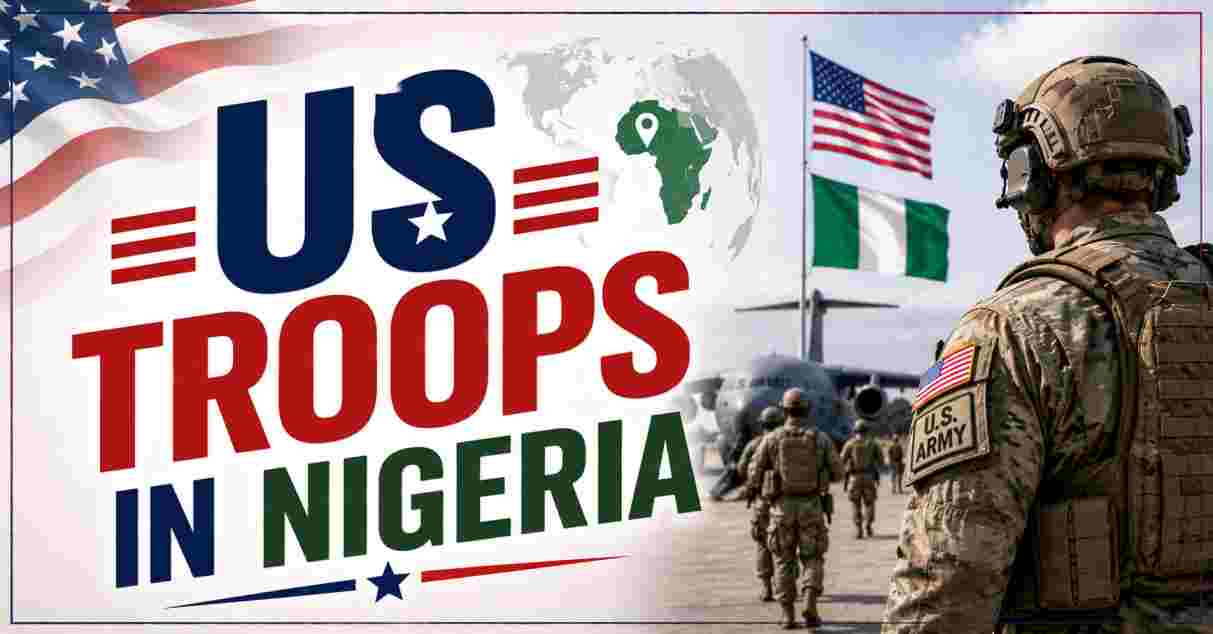
On 25 December 2025, the United States launched its first-ever unilateral airstrikes on Nigerian soil — 16 Tomahawk cruise missiles targeting Islamic State West Africa Province (ISWAP) and Lakurawa jihadist positions in Sokoto State, northwestern Nigeria. President Donald Trump announced the strikes on Truth Social, calling them “perfect strikes” against “Terrorist Scum” he claimed were killing Christians. That Christmas Day action — executed in coordination with Nigeria’s government, which provided intelligence and site access — marked a turning point in two decades of US-Nigeria security cooperation, transforming what had previously been a training-and-advisory relationship into an active joint combat partnership. By February 2026, the first wave of approximately 100 US military personnel had arrived on the ground in northern Nigeria; by mid-February, the deployment had grown to approximately 200 troops drawn from intelligence analysts, special operations advisers, and military trainers. On 3 July 2026 — today — AFRICOM Commander General Dagvin R.M. Anderson confirmed at the African Chiefs of Defence Conference 2026 in Luanda, Angola, that the United States had withdrawn “much of” those forces following the completion of the primary Lake Chad Basin operation, while retaining an intelligence-sharing and advisory presence at Nigeria’s request.
The events of the past seven months have fundamentally reshaped the US military’s posture in West Africa and opened one of the most consequential and contested foreign policy debates of the Trump administration’s second term. Nigeria — Africa’s most populous country with 240 million people and the continent’s largest economy — had long been a strategic priority for AFRICOM, with US security assistance totalling billions of dollars over nearly two decades. Yet repeated American investment in Nigeria’s counterterrorism capacity had failed to reverse a worsening security trajectory: Boko Haram and ISWAP carried out over 2,000 deaths in the Lake Chad Basin in 2025 alone, and an 18% increase in fatalities tied to militant Islamist groups was recorded in the year before the US escalation. The joint operations of 2025 and 2026 — including the May 2026 killing of ISIS global second-in-command Abu-Bilal al-Minuki in Borno State — have produced the most concrete counterterrorism results the partnership has generated in years. Whether they mark the beginning of a sustainable strategic shift or an unsustainable military escalation that risks deepening civilian casualties is now the defining question surrounding US troops in Nigeria in 2026.
Key Facts About US Troops in Nigeria 2026
| Key Fact | Statistic / Detail |
|---|---|
| First US airstrike in Nigeria | 25 December 2025 — Sokoto State, northwestern Nigeria |
| Munitions used in Christmas Day strike | 16 Tomahawk cruise missiles |
| Tomahawk missiles that failed to detonate | 4 (confirmed by Washington Post analysis) |
| Targets of Christmas Day strike | ISWAP and Lakurawa jihadist positions |
| Initial wave of US troops (13 February 2026) | ~100 military personnel |
| Peak US troop deployment (mid-February 2026) | ~200 military personnel |
| Personnel composition | Intelligence analysts, special operations advisers, military trainers |
| Confirmed arrival location | Bauchi, northeastern Nigeria (DHQ confirmed) |
| Additional equipment deployed | Yes — “associated equipment” confirmed by Nigeria’s Defence HQ |
| Direct combat role for US troops | Officially no — Nigeria retains full command authority |
| US role (stated) | Training, advising, technical support, intelligence-sharing |
| US role (debated) | Reports of direct participation in combat operations (US media) |
| Number of joint airstrikes (Dec 2025–Jun 2026) | At least 3 rounds of coordinated US-Nigeria airstrikes |
| ISWAP/Boko Haram fighters killed (joint operations) | At least 175 (by 19 May 2026) |
| Additional airstrike — 30 May 2026 | 21 ISWAP fighters killed, Borno State |
| ISIS global second-in-command killed | Abu-Bilal al-Minuki, May 2026, Borno State |
| Current status (3 July 2026) | Majority withdrawn; intelligence partnership ongoing |
| AFRICOM HQ | Stuttgart, Germany (established 2008) |
| Responsible AFRICOM commander | General Dagvin R.M. Anderson |
| Withdrawal announcement venue | African Chiefs of Defence Conference 2026, Luanda, Angola |
Source: US Africa Command (AFRICOM) — official press releases and Congressional testimony 2026; Nigeria Defence Headquarters (DHQ) official statements, February–May 2026; Premium Times Nigeria (3 July 2026); Vanguard Nigeria (3 July 2026); Al Jazeera — US deploys 100 soldiers to Nigeria (16 February 2026); NBC News (16 February 2026); Wikipedia — United States intervention in Nigeria (updated 3 July 2026)
The 16 Tomahawk cruise missiles launched on Christmas Day 2025 represented a significant military action whose immediate effectiveness was disputed from the outset. Trump described the strikes as “perfect” and framed them as a defensive response to attacks on Christians — but a Washington Post analysis confirmed that 4 of the 16 missiles failed to explode, and a Nigerian security analyst with ties to the country’s military told The Intercept that there was no evidence militants were killed in the initial strikes. AFRICOM officially claimed to have struck targets in “Soboto state” — an apparent misspelling of Sokoto, a predominantly Muslim state in northwest Nigeria — and this geographic and demographic detail became central to the subsequent political controversy. Trump had framed the deployment explicitly as protection for Nigerian Christians, but the area targeted, and the majority of victims of Boko Haram and ISWAP attacks more broadly, are predominantly Muslim. The Nigerian government chose to cooperate with Washington regardless of the political framing, providing intelligence, confirming coordination, and publicly welcoming the US engagement as a needed escalation against groups that had stretched Nigeria’s military dangerously thin.
The deployment that followed — announced on 10 February 2026 and beginning on 13 February — was described by a US Department of Defense official as a response to a formal Nigerian government request for “training, advising, and technical capabilities in support of Nigerian-led counterterror operations.” Major General Samaila Uba, spokesman for Nigeria’s Defence Headquarters, confirmed the first wave of approximately 100 troops had arrived in Bauchi in the northeast, emphasising that they would operate under full Nigerian command authority and have no direct combat role. That official characterisation was subsequently challenged by reporting from The Intercept, which cited US media accounts suggesting troops were involved in more direct operational roles than Abuja had disclosed — a transparency gap that researchers like Malik Samuel of Good Governance Africa described as reflective of the Nigerian government’s broader pattern of opacity around the partnership’s terms.
Timeline of US Military Actions in Nigeria 2026
CHRONOLOGICAL TIMELINE — US Military Involvement in Nigeria (Dec 2025–Jul 2026)
━━━━━━━━━━━━━━━━━━━━━━━━━━━━━━━━━━━━━━━━━━━━━━━━━━━━━━━━━━━━━━━━━━━━━━━━━━━━━━━
  25 Dec 2025  ████ US launches 16 Tomahawk missiles on ISWAP/Lakurawa in Sokoto State
  Jan 2026     ████ AFRICOM confirms small team of US officers in Nigeria (intel support)
  10 Feb 2026  ████ US officially announces 200-troop deployment to Nigeria
  13 Feb 2026  ████ First ~100 US troops arrive in Bauchi, northeastern Nigeria
  Mid-Feb 2026 ████ Deployment grows to ~200 troops (Premium Times report)
  15 May 2026  ████ Major joint US-Nigeria offensive begins in northeastern Nigeria
  16 May 2026  ████ Abu-Bilal al-Minuki (ISIS global #2) killed in Borno State
  18 May 2026  ████ Third round of US-Nigeria airstrikes; 175 militants confirmed killed
  30 May 2026  ████ Joint airstrike kills 21 ISWAP fighters in Borno State
  3 Jul 2026   ████ AFRICOM confirms majority of troops withdrawn; intel partnership continues
━━━━━━━━━━━━━━━━━━━━━━━━━━━━━━━━━━━━━━━━━━━━━━━━━━━━━━━━━━━━━━━━━━━━━━━━━━━━━━━
| Date | Event |
|---|---|
| 25 December 2025 | US launches 16 Tomahawk cruise missiles on ISWAP/Lakurawa targets, Sokoto State, Nigeria |
| Late December 2025 | Nigeria confirms cooperation and intelligence-sharing in US strikes |
| November 2025 | Trump posts Truth Social threat to enter Nigeria “guns-a-blazing”; Nigeria redesignated Country of Particular Concern |
| January 2026 | AFRICOM head confirms “small team” of US officers in Nigeria, focused on intelligence support |
| Late January 2026 | 160+ worshippers abducted by armed groups in Nigeria |
| 3 February 2026 | Armed group kills 160 people in Kwara State; dozens abducted |
| 10 February 2026 | US Department of Defense officially announces 200-troop deployment to Nigeria |
| 13 February 2026 | ~100 US troops — intel analysts, advisers, trainers — arrive in Bauchi |
| Mid-February 2026 | Deployment confirmed at approximately 200 personnel total |
| 4–6 March 2026 | ISWAP attacks Ngoshe, Borno State; 300+ civilians abducted; Nigerian military responds with airstrikes |
| 15 May 2026 | Major joint US-Nigeria Operation Hadin Kai offensive begins, northeastern Nigeria |
| 16 May 2026 | Abu-Bilal al-Minuki, ISIS global second-in-command, killed in Borno State |
| 18 May 2026 | Third US-Nigeria airstrike round; Nigeria DHQ confirms 175 ISWAP/Boko Haram fighters killed total |
| 30 May 2026 | Joint US-Nigeria airstrike kills 21 ISWAP fighters, Borno State |
| 3 July 2026 | AFRICOM Commander Anderson confirms majority of US troops withdrawn from Lake Chad Basin operation; intelligence cooperation continues |
Source: Wikipedia — United States intervention in Nigeria (updated 3 July 2026); AFRICOM official statements; Nigeria Defence Headquarters (DHQ) statements; Premium Times Nigeria; Vanguard Nigeria; Al Jazeera; NBC News; The Intercept; Global Centre for the Responsibility to Protect (R2P) — Nigeria Brief, March 2026
The timeline of US military involvement in Nigeria across the seven months from December 2025 to July 2026 represents the most intensive American military engagement in that country’s history. Prior to Christmas 2025, the US-Nigeria security relationship had operated at an arms-length advisory and training level through AFRICOM’s Juniper Nimbus and Nimble Shield programs — supporting Nigeria’s fight against Boko Haram and ISWAP through equipment transfers, joint exercises, and some intelligence sharing, but never deploying ground-based trainers at this scale or conducting unilateral strikes. The escalation was triggered by two converging forces: a deteriorating security situation in which ISWAP launched a renewed offensive in Borno State from March 2025 onwards, seizing strategic sites and conducting “sophisticated assaults on military installations and towns,” and a political dynamic in Washington where Trump’s framing of the Nigerian conflict as a Christian persecution issue created an internal imperative for visible action.
The killing of Abu-Bilal al-Minuki in May 2026 was the operational centrepiece of the entire deployment. As the global second-in-command of ISIS, responsible for the organisation’s global operations, media, and recruitment, al-Minuki was one of the most consequential terrorist leaders operating anywhere in the world. AFRICOM described his elimination as disrupting not just ISWAP’s operations in the Lake Chad Basin but the Islamic State’s global network — a claim that AFRICOM Commander Anderson repeated at the African Chiefs of Defence Conference, stating that the operation “not only helped the countries in that immediate region; it also helps countries globally as that disrupts the ISIS network.” The joint nature of the operation — combining US intelligence capabilities with Nigerian military expertise on the ground — was cited by Anderson as a model for how future US engagement in Africa should operate: intelligence-heavy, partner-led, and focused on high-value targets rather than prolonged ground-force presence.
Security Context: Boko Haram, ISWAP and the Insurgency in Nigeria 2026
SECURITY THREAT INDICATORS — Nigeria 2025–2026
━━━━━━━━━━━━━━━━━━━━━━━━━━━━━━━━━━━━━━━━━━━━━━━━━━━━━━━━━━━━━━━━━━━━
  Deaths from militant Islamist groups — 2025
  ████████████████████████████████████████████  2,000+ in Lake Chad Basin alone

  Year-on-year increase in fatalities (Islamist groups)
  ████████████████████████████████████          18% increase

  Nigeria's share of all regional Islamist fatalities
  ████████████████████████████████████████████████████████  74%

  Borno State — percentage of regional fatality epicentre
  ████████████████████████████████████████████  Dominant share (Borno = epicentre)

  Violent deaths in Nigeria 2006–2021 (Lancet study)
  ████████████████████████████████████████████████████████  169,000+

  Children abducted since 2014
  ████████████████████████████████████████████  2,000+

  Civilians kidnapped in 2024 alone
  ████████████████████████████████████████████  580+ (primarily women and girls)
━━━━━━━━━━━━━━━━━━━━━━━━━━━━━━━━━━━━━━━━━━━━━━━━━━━━━━━━━━━━━━━━━━━━
| Security Metric | Data |
|---|---|
| Deaths from militant Islamist groups — 2025 | Over 2,000 in the Lake Chad Basin |
| Year-on-year fatality increase (Islamist groups, 2025) | 18% increase (Africa Center for Strategic Studies) |
| Nigeria’s share of all regional Islamist fatalities | 74% of all fatalities in the Lake Chad Basin region |
| Borno State status | “Epicentre” of Islamist violence in Nigeria |
| Violent deaths in Nigeria 2006–2021 | At least 169,000 (2025 Lancet study) |
| Primary cause of violent deaths | Crime and insurgency (combined) |
| Children abducted by armed groups since 2014 | Over 2,000 |
| Civilians kidnapped in 2024 | At least 580 — primarily women and girls |
| ISWAP renewed offensive date | March 2025 — Borno State |
| Groups operating in Nigeria | Boko Haram; ISWAP; Lakurawa; Jama’at Nusrat al-Islam wal-Muslimin (JNIM); bandit criminal networks |
| JNIM — first Nigerian attack | 2025 — confirmed first attack on Nigerian soil |
| Bandit groups’ activities | Kidnapping for ransom, illegal mining, cattle rustling, armed attacks |
| Nigerian states under security threat | Two-thirds of all 36 states |
| Nigerian military — stretched across | Northeast (Boko Haram/ISWAP), northwest (bandits), central belt (herder-farmer conflict) |
| Nigeria state of emergency declaration | President Tinubu declared nationwide state of emergency in 2025 |
| Operation Hadin Kai | Nigeria’s primary counterinsurgency operation — joint task force in northeast |
| Lakurawa designation | ISIS-linked; primarily active in northwest Nigeria and Sahel border areas |
Source: Africa Center for Strategic Studies — Violent Extremism in Nigeria (2025); CFR Global Conflict Tracker — Violent Extremism in the Sahel (updated May 2026); Global Centre for the Responsibility to Protect — Nigeria Brief (March 2026); Lancet — Nigeria Violent Death Study, 2025; Nigeria Defence Headquarters; BISI (Bloomsbury Intelligence and Security Institute) — US Deploys 200 Troops to Nigeria (February 2026)
The security environment that drew US forces into Nigeria is one of the most complex and deteriorating on the African continent. Nigeria simultaneously faces Boko Haram in the northeast, ISWAP across a broader northeastern and Lake Chad perimeter, Lakurawa — a newer ISIS-linked group expanding from the northwest — JNIM making its first confirmed incursion from the Sahel in 2025, and dozens of bandit criminal networks conducting kidnappings, mine seizures, and community attacks across the northwest and central belt. The Africa Center for Strategic Studies — a Pentagon research institution — described this convergence bluntly: “The emergence of violent extremist groups in northwest Nigeria implies the long-feared convergence of militant Islamist groups with organized criminal networks — infusing financial incentives with ideological zeal and terrorist violence.” This convergence is precisely what makes the security problem so difficult to resolve through airstrikes alone: when economic criminality and ideological extremism merge, the threat base becomes self-perpetuating through financial incentives independent of ideology.
The 2025 Lancet study finding of at least 169,000 violent deaths in Nigeria between 2006 and 2021 — with the highest shares attributed to crime and insurgency — contextualises the current crisis within a decade and a half of structural failure that predates the US escalation and will outlast any temporary troop deployment. The displacement figures are equally alarming: ISWAP’s March 2025 offensive in Borno State and its successive seizures of strategic towns drove large numbers of civilians from their homes, adding to an already vast internally displaced population that the UN estimates in the millions. The fact that Nigerian armed forces are deployed in two-thirds of all 36 Nigerian states simultaneously — trying to hold the northeast against sophisticated insurgents, the northwest against criminal bandits, and the central belt against inter-communal violence — confirms what multiple analysts described as a military that is “stretched dangerously thin.” It is this exhaustion that provided the political opening for the US deployment.
Operational Outcomes of the US-Nigeria Joint Campaign 2026
JOINT US-NIGERIA MILITARY OUTCOMES (Dec 2025–Jun 2026)
━━━━━━━━━━━━━━━━━━━━━━━━━━━━━━━━━━━━━━━━━━━━━━━━━━━━━━━━━━━━━━━━━━━━━━━━━
  AIRSTRIKE ROUNDS CONDUCTED
  Strike 1: 25 Dec 2025   ██████  Sokoto State (US Tomahawks)
  Strike 2: 15–18 May 2026 ████████  Borno State (US-Nigeria joint)
  Strike 3: 30 May 2026   ████████  Borno State (US-Nigeria joint)

  CONFIRMED KILLS — MILITANTS
  By 18 May 2026           ███████████████████████████  175 ISWAP/Boko Haram fighters
  30 May 2026              ████████                      21 ISWAP fighters
  High-value target killed ████  Abu-Bilal al-Minuki (ISIS global #2)

  RESCUE OPERATIONS (Operation Hadin Kai, concurrent)
  Hostages rescued         ████████████████████          47 victims — Borno State
━━━━━━━━━━━━━━━━━━━━━━━━━━━━━━━━━━━━━━━━━━━━━━━━━━━━━━━━━━━━━━━━━━━━━━━━━━
| Operational Outcome | Data |
|---|---|
| Christmas Day airstrike (25 Dec 2025) | Targeted ISWAP/Lakurawa positions in Sokoto State |
| Christmas Day — Tomahawk missiles fired | 16 |
| Christmas Day — missiles that failed to detonate | 4 |
| Evidence of militants killed in Christmas Day strike | “No evidence” — Nigerian security analyst (The Intercept) |
| January 2026 intelligence milestone | AFRICOM coordinates intelligence used for subsequent targeting |
| Operation Hadin Kai — hostages rescued | 47 hostages freed from Boko Haram/ISWAP, Borno State |
| 15 May 2026 — joint offensive begins | US special forces raids + multiple airstrike rounds, northeastern Nigeria |
| 16 May 2026 — HVT eliminated | Abu-Bilal al-Minuki (ISIS global second-in-command) killed |
| al-Minuki’s roles | ISIS global operations director, media director, chief recruiter |
| al-Minuki’s prior designation | Specially Designated Global Terrorist (OFAC, June 2023) |
| al-Minuki’s link to major atrocity | Connected to Dapchi schoolgirls kidnapping |
| 18 May 2026 — third airstrike | Third round of airstrikes; 175 total confirmed kills announced by DHQ |
| 30 May 2026 — fourth strike | Joint airstrike kills 21 ISWAP fighters, Borno State |
| Joint operation description (Anderson) | “Unique capabilities that the US brings” combined with Nigeria’s “capable military” |
| Drug interdiction — side achievement | US-AFRICOM intelligence coordination led to Spanish naval interception of 31 tonnes of cocaine (largest ever seizure at sea) |
| AFRICOM framing | Operation disrupted “not just the Lake Chad Basin but ISIS’s global network“ |
| Nigerian government response | President Tinubu thanked Trump and sought “more such decisive strikes” |
| Disputed element | Whether US troops participated in direct combat (denied officially; disputed in US media) |
Source: Wikipedia — United States intervention in Nigeria (updated 3 July 2026); AFRICOM — “U.S.-Nigeria Coordinated Strike Against ISIS Fighters — May 18, 2026” (africom.mil); Nigerian Defence Headquarters statements May 2026; New York Times — Trump Says a Top ISIS Leader Was Killed in a U.S.-Nigerian Mission (16 May 2026); BBC — Senior IS leader killed in joint operation (17 May 2026); Business Day Nigeria (3 July 2026)
The killing of Abu-Bilal al-Minuki on 16 May 2026 stands as the single most significant outcome of the US military deployment to Nigeria. Al-Minuki — born in 1982 in Mainok, Borno State — had served as a senior Boko Haram officer before pledging allegiance to the Islamic State in 2015, when the group rebranded as ISWAP. He had been designated a Specially Designated Global Terrorist by the US Treasury’s Office of Foreign Asset Control (OFAC) in June 2023 and was linked to the Dapchi schoolgirls kidnapping, one of the most widely covered atrocities in Nigeria’s history. By February 2026, he had assumed the role of General Directorate of States within ISIS — making him responsible for the coordination of the Islamic State’s global affiliates, media operations, and recruitment. His elimination in a joint operation in Borno State was described by AFRICOM as disrupting ISIS’s global infrastructure, not merely its West African operations — a strategic claim that, if sustained by future intelligence assessments, would represent one of the most consequential counterterrorism outcomes in years.
The 31-tonne cocaine interception cited by AFRICOM Commander Anderson at the African Chiefs of Defence Conference is a striking secondary data point that illustrates the broader regional security dividend of the US-Nigeria intelligence cooperation. Anderson described coordinating the intelligence through US inter-agency channels and AFRICOM before notifying partners — ultimately resulting in a Spanish naval vessel intercepting the ship, in what he described as “the largest interdiction of drugs at sea that we’ve ever seen.” The cocaine was transiting the West African coast from South America. This single incident — tangentially connected to the Nigeria deployment but enabled by the intelligence-sharing infrastructure built around it — demonstrates how military cooperation with Nigeria has created operational externalities that extend beyond counterterrorism into transnational organised crime, narcotics interdiction, and maritime security.
US-Nigeria Security Partnership: History, Context and AFRICOM 2026
US SECURITY ASSISTANCE TO NIGERIA — HISTORICAL OVERVIEW
━━━━━━━━━━━━━━━━━━━━━━━━━━━━━━━━━━━━━━━━━━━━━━━━━━━━━━━━━━━━━━━━━━━━━━━
  US-Nigeria security cooperation start     : ~20 years (pre-2008, formalised 2008)
  AFRICOM established                       : 2008 (HQ: Stuttgart, Germany)
  Trans-Saharan Counterterrorism Initiative : $500 million (Congress approved 2007)
  Juniper Nimbus (AFRICOM)                  : Support for Nigerian forces vs Boko Haram
  Nimble Shield (AFRICOM)                   : Counterterrorism ops, West Africa/Lake Chad
  Confirmed AFRICOM drone strikes in Somalia: 315 (as of 2023) — contextual benchmark
  2017 Rann camp airstrike — civilian deaths: 160+ civilians (described as "US-Nigerian ops")
  Bilateral security cooperation span       : ~20 years cumulative
  AFRICOM's stated post-withdrawal posture  : Intelligence-led, partner-force model
━━━━━━━━━━━━━━━━━━━━━━━━━━━━━━━━━━━━━━━━━━━━━━━━━━━━━━━━━━━━━━━━━━━━━━━
| Historical and Contextual Metric | Data |
|---|---|
| US-Nigeria security cooperation start | Approximately 20 years — bilateral partnership predates AFRICOM |
| AFRICOM established | 2008 — HQ in Stuttgart, Germany |
| AFRICOM’s primary Nigeria programs | Juniper Nimbus (Boko Haram support); Nimble Shield (West Africa counterterrorism) |
| Trans-Saharan Counterterrorism Initiative (TSCTI) | $500 million approved by Congress (2007) — covering Nigeria among others |
| Nigeria’s AFRICOM position | Has opposed hosting AFRICOM on African soil; previously expressed interest in HQ 2021 |
| Nigeria — Country of Particular Concern redesignation | Redesignated by Trump administration 2025 |
| 2017 Rann camp airstrike | Nigerian airstrike on displaced persons camp; killed 160+ civilians; described in US documents as “US-Nigerian operations” |
| Historical pattern (The Intercept) | “Decades of American military assistance has coincided with increased violence and instability” |
| US military presence in Cameroon | Contingency Location Garoua — US Army base supporting anti-Boko Haram operations |
| Sahel context | US previously active in Niger and Mali; Wagner Group expansion and coups forced US withdrawal |
| Post-coup strategy shift | US pivoted to Cameroon and Nigeria as primary West African security partners |
| Nigeria’s population | 240 million — Africa’s most populous country |
| Nigeria’s religious composition | Evenly split — ~50% Christian, ~50% Muslim |
| ISWAP’s primary victim population | Predominantly Muslim — contrary to Trump’s “Christians only” framing |
| US civilian casualties concern | Critics warn joint airstrikes risk civilian casualties; 2017 Rann precedent cited |
| AFRICOM future posture (Anderson, July 2026) | Focus on intelligence support and special operations — not large ground deployments |
Source: AFRICOM official website (africom.mil); Wikipedia — United States Africa Command (updated June 2026); The Intercept — More US Troops Headed to Nigeria (19 February 2026); Bloomsbury Intelligence and Security Institute (BISI) — US Deploys 200 Troops to Nigeria (23 February 2026); DW — Is the US Deepening Its Military Involvement in Nigeria? (May 2026)
The United States’ formal counterterrorism engagement in Nigeria operates through AFRICOM, established in 2008 and headquartered in Stuttgart, Germany — a location that itself reflects the political sensitivity of placing a US military command structure on African soil, which Nigeria and other major African powers consistently opposed. In the years before the 2025–2026 escalation, the primary AFRICOM programs in Nigeria operated through Juniper Nimbus (direct support for Nigerian forces against Boko Haram) and Nimble Shield (broader counterterrorism operations in northwest Africa and the Lake Chad Basin), supplemented by the Trans-Saharan Counterterrorism Initiative that Congress funded at $500 million in 2007. These programs provided training, equipment, intelligence-sharing, and joint exercises — but stopped short of the direct kinetic engagement that the Trump administration authorised in December 2025.
The 2017 Rann airstrike remains the most deeply uncomfortable precedent in the bilateral security record. That attack — an airstrike on a displaced persons camp in Rann, Borno State — killed more than 160 civilians, including children, and was subsequently described as an instance of “US-Nigerian operations” in a formerly classified US military document obtained by The Intercept. No US personnel were publicly held accountable. The same trajectory of US military partnership producing civilian casualties while failing to reduce overall violence is what critics in Nigeria — including Good Governance Africa researcher Malik Samuel — argue will repeat itself if the current engagement deepens without structural reform of how targeting decisions are made and how accountability for civilian harm is managed. Anderson’s statement at the July 2026 conference that future US engagement would favour intelligence support and special operations over large ground deployments suggests AFRICOM has absorbed at least some of that lesson — though the gap between declared policy and operational reality has historically been wide.
Political Dimensions and Controversy Around US Troops in Nigeria 2026
POLITICAL CONTEXT — US Troops in Nigeria 2026
━━━━━━━━━━━━━━━━━━━━━━━━━━━━━━━━━━━━━━━━━━━━━━━━━━━━━━━━━━━━━━━━━━━━━━━━━━━━
  Trump November 2025 warning
  ████  Truth Social post threatened entering Nigeria "guns-a-blazing" to protect Christians

  Public support for deployment — Nigeria (surveys)
  ████████████████████████  Divided — security benefit acknowledged vs sovereignty concern

  Nigerian government transparency rating
  █████████  LOW — no formal statement on troop numbers, locations or withdrawal

  Civilian casualties concern
  ████████████████████████████████████████████  HIGH — experts cite 2017 Rann precedent

  Analyst assessment of long-term effectiveness
  ████████████████  MIXED — airstrikes effective short-term; structural causes unaddressed
━━━━━━━━━━━━━━━━━━━━━━━━━━━━━━━━━━━━━━━━━━━━━━━━━━━━━━━━━━━━━━━━━━━━━━━━━━━━
| Political / Controversy Metric | Data |
|---|---|
| Trump’s public justification | Protecting Christians from “genocide” in Nigeria |
| Factual accuracy of Trump’s framing | Disputed — most victims of ISWAP/Boko Haram are Muslim |
| Trump’s November 2025 Truth Social post | Threatened to enter Nigeria “guns-a-blazing” to protect “CHERISHED Christians” |
| Trump’s stated reason for Christmas timing | Wanted to “give a Christmas present” by delaying the strike until 25 December |
| Nigerian government’s response to Trump’s genocide claim | Rejected — analysts confirm victims span all faiths |
| Nigeria’s formal position on troop mandate | Training and advisory only; no combat role; full Nigerian command |
| Actual role (disputed) | Reports from US media suggest participation in direct combat operations |
| Transparency from Nigerian government (3 Jul 2026) | No formal statement on withdrawal issued as of filing |
| Transparency from AFRICOM (3 Jul 2026) | No separate written statement — disclosure made verbally at Luanda conference |
| Nigerian public opinion | “Divided” — DW report; concern over sovereignty and transparency |
| Security analyst consensus | Airstrikes necessary but “not sustainable”; structural causes (recruitment, poverty) unaddressed |
| Concern about civilian harm | Multiple experts warn US troops participating in strikes “cannot rule out civilian casualties” |
| ISWAP recruitment concern | Boko Haram has “elaborate recruitment processes” — airstrikes do not disrupt pipeline |
| Long-term strategy gap (Samuel) | “The long-term strategy should be how to prevent recruitment” |
| Lessons from broader Sahel | US presence in Mali and Niger preceded coups and deteriorating security — cited as cautionary model |
| Regional implications | Heightened US presence in Nigeria strengthens influence vs Wagner Group; supports Cameroon partnership |
Source: DW — Is the US Deepening Its Military Involvement in Nigeria? (May 2026); The Intercept (February 2026); Bloomsbury Intelligence and Security Institute (February 2026); Good Governance Africa (Malik Samuel, quoted in DW); Nigeria Daily — Daily Trust (March 2026); Global Centre for the Responsibility to Protect — Nigeria Brief (March 2026)
The political framing of the US deployment — centred on Christian persecution narratives promoted by Trump — created significant tensions in a country where the religious geography of the insurgency is considerably more complex than the White House’s stated rationale suggested. Trump’s Truth Social post in November 2025 threatening to enter Nigeria “guns-a-blazing” preceded the Christmas Day airstrikes by less than a month, and the political lineage between the social media threat and the military action was not lost on Nigerian analysts or the Nigerian government. President Bola Tinubu’s response — publicly welcoming the airstrikes and thanking Trump for his “leadership and unwavering support” — reflected a calculated political decision: Nigeria needed external military support, and accepting it from Trump, on whatever rhetorical terms he attached, was preferable to watching the security situation deteriorate further. The bilateral relationship survived the diplomatic turbulence of Trump’s accusations, emerging by mid-2026 with a security cooperation framework that was, if anything, deeper and more active than before.
The lack of transparency from both the Nigerian government and AFRICOM throughout the deployment is the most persistent source of legitimate concern. AFRICOM Commander Anderson’s announcement of the partial withdrawal on 3 July 2026 — made verbally during a press briefing in Luanda, without a corresponding written statement, without specifying the number of troops withdrawn or where they had been stationed — exemplifies an engagement that has been characterised throughout by official opacity on both sides. Nigeria’s Defence Headquarters issued statements when convenient, went silent when the questions became pointed, and had issued no formal comment on the withdrawal by the time of filing. For a deployment that has been publicly justified as a transparency-based, consent-grounded, Nigerian-led partnership, this information vacuum is difficult to reconcile with the stated principles. It is precisely this gap that researchers like Malik Samuel believe risks delegitimising both the military outcomes and the broader bilateral relationship in the eyes of the Nigerian public.
Disclaimer: The data research report we present here is based on information found from various sources. We are not liable for any financial loss, errors, or damages of any kind that may result from the use of the information herein. We acknowledge that though we try to report accurately, we cannot verify the absolute facts of everything that has been represented.