Social Media in Australia 2026
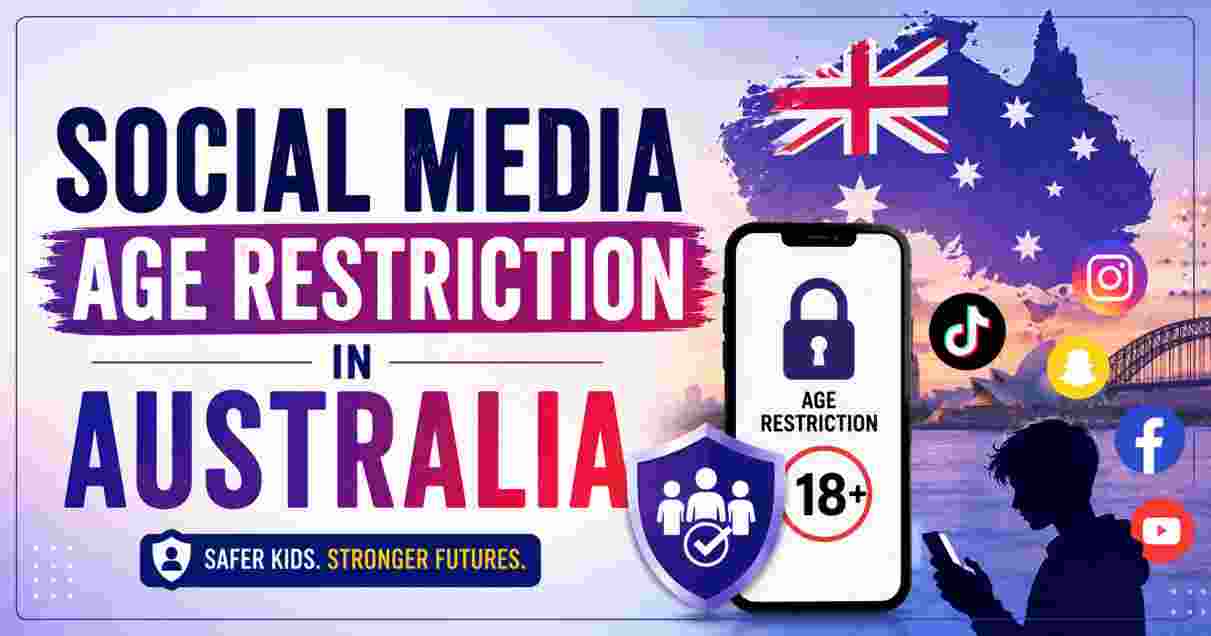
Australia made history on 10 December 2025 when it became the first country in the world to formally enforce a nationwide ban preventing users under the age of 16 from accessing major social media platforms. The Online Safety Amendment (Social Media Minimum Age) Act 2024, passed by the Australian Parliament on 28 November 2024 with a Senate vote of 34 to 19 and an overwhelming House of Representatives vote of 102 to 13, represents the most sweeping piece of child online safety legislation ever enacted by any democratic government. The law places the entire burden of compliance on social media platforms — not on children, parents, or carers — and threatens non-compliant companies with court-imposed civil penalties of up to $49.5 million AUD for systemic breaches. It is not merely a policy statement; it is a live, enforceable obligation that regulators, governments, and tech companies worldwide are watching closely.
The law is enforced by Australia’s eSafety Commissioner, the country’s independent online safety regulator. Since the obligation took effect, eSafety has issued 23 compulsory information-gathering notices to the 10 age-restricted platforms, published a landmark March 2026 compliance update revealing widespread gaps in enforcement, and formally launched investigations into five major platforms — Facebook, Instagram, Snapchat, TikTok, and YouTube — for suspected non-compliance. The Australian Government invested $6.5 million AUD in an Age Assurance Technology Trial before the law came into force, testing everything from biometric age estimation to parental consent systems. As of early 2026, the data tells a story of both significant early action and stubborn, ongoing challenges — making Australia’s social media age restriction framework one of the most consequential and closely monitored digital policy experiments in the world today.
Key Facts About Australia’s Social Media Age Restriction 2026
FAST FACTS — Australia Social Media Age Restriction 2026
━━━━━━━━━━━━━━━━━━━━━━━━━━━━━━━━━━━━━━━━━━━━━━━━━━━━━━
  Minimum Age Required      : 16 years
  Law Effective Date        : 10 December 2025
  Max Penalty Per Breach    : AUD $49.5 million
  Age-Restricted Platforms  : 10 (officially identified)
  Accounts Removed (Dec–Jan): 4.7 million+
  Adult Public Support      : 77% (YouGov, Nov 2024)
  Under-16s Still Accessing : ~70% (eSafety, March 2026)
━━━━━━━━━━━━━━━━━━━━━━━━━━━━━━━━━━━━━━━━━━━━━━━━━━━━━━
| Key Fact | Detail |
|---|---|
| Legislation name | Online Safety Amendment (Social Media Minimum Age) Act 2024 |
| Minimum age for social media | 16 years |
| Date law took effect | 10 December 2025 |
| Regulator | eSafety Commissioner |
| Platforms officially age-restricted | 10 (Facebook, Instagram, Kick, Reddit, Snapchat, Threads, TikTok, Twitch, X, YouTube) |
| Maximum penalty for non-compliance | $49.5 million AUD (150,000 penalty units) |
| Parental consent override | Not permitted |
| Penalty for children/parents | None — onus is entirely on platforms |
| Government investment in age assurance trial | $6.5 million AUD |
| Compulsory information-gathering notices issued | 23 (to 10 platforms) |
| Law passed Senate vote | 34 to 19 |
| Law passed House of Representatives vote | 102 to 13 |
| Enforcement target deadline | Mid-2026 (enforcement decisions expected) |
| Independent review timeline | Within 2 years of 10 December 2025 |
Source: Australian Department of Infrastructure, Transport, Regional Development, Communications and the Arts; eSafety Commissioner — Social Media Minimum Age Compliance Update, March 2026
Australia’s decision to set the age limit at 16 — rather than the 13 that had previously been the industry-standard baseline — was driven by a growing body of evidence suggesting that younger adolescents are at a particularly vulnerable stage of psychological and cognitive development. The government’s own fact sheet noted explicitly that by 16, young Australians are “beyond the most vulnerable stage” of development, a position informed by both domestic and international research, including a UK study on adolescent brain development. What makes this law structurally different from any previous regulatory approach in the world is the total removal of a parental consent override. Previous frameworks in the US, UK, and the EU all allowed parents to grant permission for younger children — Australia’s law eliminates that loophole entirely, treating the platform’s responsibility as non-negotiable regardless of parental wishes. The advertising campaign that launched on 19 October 2025, titled For The Good Of, was designed specifically to prepare families and young people for the change, signalling the government’s commitment not just to legislation but to cultural transformation.
The $6.5 million Age Assurance Technology Trial was one of the most important pre-implementation steps any government has taken before imposing digital age restrictions. Conducted independently by the Age Check Certification Scheme (ACCS), the trial tested a full spectrum of age verification and estimation technologies — facial age estimation, government ID verification, parental consent systems, successive validation, and age inference — to establish what was technically feasible, accurate, and privacy-compliant. The trial concluded that digital age checks could work “robustly and effectively,” giving the government the evidence base it needed to publish detailed regulatory guidance to platforms on what constitutes “reasonable steps.” That guidance, released by eSafety on 16 September 2025, is the yardstick against which every platform’s compliance is now being measured. What the March 2026 compliance update made clear, however, is that technical feasibility does not automatically translate to implementation — and that several of the biggest platforms in the world have fallen short of the standard that Australia’s law requires.
Platform Compliance and Account Removals in Australia 2026
ACCOUNTS REMOVED / RESTRICTED BY PLATFORM (Dec 2025 – Mar 2026)
━━━━━━━━━━━━━━━━━━━━━━━━━━━━━━━━━━━━━━━━━━━━━━━━━━━━━━━━━━━━━━━
  All Platforms (by Jan 16, 2026)
  ████████████████████████████████████  4.7 million

  Meta (Instagram, Facebook, Threads)
  ████████                               ~550,000

  Additional removals (Jan–Mar 2026)
  ████                                   ~310,000

  Total by March 2026
  ████████████████████████████████████▌  ~5.01 million+
━━━━━━━━━━━━━━━━━━━━━━━━━━━━━━━━━━━━━━━━━━━━━━━━━━━━━━━━━━━━━━━
| Platform / Metric | Status / Data |
|---|---|
| Platforms under formal eSafety investigation | Facebook, Instagram, Snapchat, TikTok, YouTube |
| Total accounts removed/deactivated (by mid-Jan 2026) | 4.7 million+ |
| Accounts removed by Meta (Instagram, Facebook, Threads) | ~550,000 |
| Additional accounts stopped (Jan – Mar 2026) | ~310,000 |
| Information-gathering notices issued | 23 notices across 10 platforms |
| eSafety compliance assessment standard | “Reasonable steps” (as defined in regulatory guidance, Sep 2025) |
| Enforcement decision target | Mid-2026 |
| Platforms assessed as compliant (Mar 2026) | None confirmed fully compliant |
| eSafety’s formal stance (Mar 2026) | “Moving into an enforcement stance” |
| Rules amended | March 2026 (additional criteria added for age-restricted platforms) |
| Six industry codes in effect from | 9 March 2026 |
Source: eSafety Commissioner — Social Media Minimum Age Compliance Update, March 2026; eSafety Media Release, January 2026
The removal of 4.7 million accounts across the ten regulated platforms in the first five weeks of the law’s operation was a significant and headline-grabbing action. eSafety Commissioner Julie Inman Grant described the initial results as “very pleasing” and acknowledged that platforms had taken “meaningful actions.” However, the March 2026 compliance update was considerably less optimistic. The report made clear that account removals — while a necessary first step — do not constitute “reasonable steps” on their own. Many of the removed accounts were inactive or duplicate accounts, meaning the actual number of real children affected was lower than the 4.7 million figure suggests. eSafety’s own monitoring revealed that “many children aged under 16 still have their accounts or can create new accounts,” and the regulator explicitly identified “poor practices by some platforms” in the first three months of the obligation being in force.
The formal investigations launched against five platforms on 31 March 2026 represent the most serious regulatory escalation in the history of Australia’s online safety framework. eSafety confirmed it would make enforcement decisions by mid-2026, after gathering further legally enforceable evidence through additional information-gathering notices, interrogating how platforms’ systems and processes have been set up and deployed, and validating previously submitted information. The regulator’s language was unusually pointed: it stated it would “not hesitate to take enforcement action where it has sufficient evidence of non-compliance.” The platforms under investigation — Facebook, Instagram, Snapchat, TikTok, and YouTube — are collectively the most-used social media services among Australian children. Their failure to achieve compliance within three months of a law with 12 months of advance notice is what has driven Australia’s regulatory posture from monitoring to active investigation.
Parental Survey Data and Under-16 Account Retention in Australia 2026
PLATFORM ACCOUNT RETENTION AFTER BAN — % of children who STILL had accounts
(Among parents who said their child had an account BEFORE the restrictions)
━━━━━━━━━━━━━━━━━━━━━━━━━━━━━━━━━━━━━━━━━━━━━━━━━━━━━━━━━━━━━━━━━━━━━━━━━━
  Instagram  ██████████████████████████████████  69.1%
  Snapchat   ██████████████████████████████████  69.4%
  TikTok     ██████████████████████████████████  69.3%
  Facebook   ███████████████████████████████     63.6%
  YouTube    ████████████████████████            48.5%
━━━━━━━━━━━━━━━━━━━━━━━━━━━━━━━━━━━━━━━━━━━━━━━━━━━━━━━━━━━━━━━━━━━━━━━━━━
| Metric | Statistic |
|---|---|
| Parents surveyed (Jan–Feb 2026) | ~900 parents and carers of children aged 8–15 |
| Children with ≥1 social media account BEFORE ban | 49.7% of surveyed children |
| Children with ≥1 social media account AFTER ban | 31.3% of surveyed children |
| Reduction in account ownership | ~18.4 percentage points |
| Children still on Instagram (of pre-ban users) | 69.1% |
| Children still on Snapchat (of pre-ban users) | 69.4% |
| Children still on TikTok (of pre-ban users) | 69.3% |
| Children still on Facebook (of pre-ban users) | 63.6% |
| Children still on YouTube (of pre-ban users) | 48.5% |
| Under-16s still accessing social media (all parents) | ~70% |
| Parents reporting ~2–4 positive behavioural changes | 61% (YouGov, Jan 2026) |
| Parents noting more in-person social interaction | 43% |
| Parents noting child more present/engaged | 38% |
Source: eSafety Commissioner — Social Media Minimum Age Compliance Update, March 2026; YouGov Survey, January 2026 (n=1,070 Australian adults)
The eSafety survey of ~900 parents and carers conducted in January and February 2026 provides the clearest picture yet of the ban’s real-world impact on Australian households. The reduction in account ownership — from 49.7% before the ban to 31.3% after — represents a genuine and meaningful shift. Roughly one in three children who had accounts before the law came into force no longer had one, which is a non-trivial outcome given how entrenched social media use is among Australian youth. However, the retention data for individual platforms tells a more complicated story. The fact that 69% of children who had Instagram, Snapchat, or TikTok accounts before the ban still had them after it is a direct indictment of those platforms’ age assurance efforts. These figures formed a central part of eSafety’s justification for launching formal investigations, and they explain why ~70% of all Australian under-16s were reportedly still accessing social media as of early 2026.
On the positive side, the YouGov survey of 1,070 Australian adults conducted on 12–14 January 2026 offered some early signals that the law may be beginning to shift behaviour and family dynamics. 61% of parents of children aged 16 and under observed between two and four positive behavioural changes following the ban. 43% noticed more in-person social interactions, and 38% reported their children were more present and engaged during family time. These numbers need to be treated with appropriate caution — the survey was conducted just over a month after the ban took effect, and behavioural change takes time to consolidate. The eSafety Commissioner’s own longitudinal evaluation, which will track over 4,000 young people aged 10–16 and their parents across at least two years, will ultimately provide far more robust evidence of the ban’s real impact on child wellbeing.
Public Support for Australia’s Under-16 Social Media Ban 2026
PUBLIC SUPPORT FOR THE UNDER-16 SOCIAL MEDIA BAN — Australia 2026
━━━━━━━━━━━━━━━━━━━━━━━━━━━━━━━━━━━━━━━━━━━━━━━━━━━━━━━━━━━━━━━━
  Australians supporting the ban (YouGov, Nov 2024)
  ████████████████████████████████████████  77%

  Australians supporting stronger penalties (YouGov)
  ████████████████████████████████████████████  87%

  Australians concerned about children's online risks
  ████████████████████████████████████████  77%

  Parents supporting ban — Australia (FOSI, Dec 2025)
  ████████████████████████████████          65%

  Children supporting ban — Australia (FOSI, Dec 2025)
  ████████████████████                      38%

  Adults believing ban has been effective so far (YouGov, Jan 2026)
  ██████████████████████████████            59%
━━━━━━━━━━━━━━━━━━━━━━━━━━━━━━━━━━━━━━━━━━━━━━━━━━━━━━━━━━━━━━━━
| Survey Metric | Result | Source/Date |
|---|---|---|
| Australians supporting the under-16 ban | 77% | YouGov, November 2024 |
| Australians opposing the ban | 23% | YouGov, November 2024 |
| Adults supporting the ban (pre-announcement, Aug 2024) | 61% | YouGov, August 2024 |
| Adults supporting stronger penalties for platforms | 87% | YouGov, November 2024 |
| Adults concerned about children’s online risks | 77% | YouGov, November 2024 |
| Adults concerned — cyberbullying | 79% | YouGov, November 2024 |
| Adults concerned — harmful/inappropriate content | 79% | YouGov, November 2024 |
| Adults concerned — mental health impacts | 78% | YouGov, November 2024 |
| Australian parents supporting the ban (FOSI) | 65% | FOSI Survey, December 2025 |
| Australian children supporting the ban (FOSI) | 38% | FOSI Survey, December 2025 |
| Australian children fearing loss of connections | 56% | FOSI Survey, December 2025 |
| Adults believing ban has been effective so far | 59% | YouGov, January 2026 |
| Sydney Morning Herald Resolve Monitor — supporters | 58% | Resolve Monitor, December 2024 |
| Those who believed ban would work | 25% | Resolve Monitor, December 2024 |
| Those who believed ban would NOT work | 67% | Resolve Monitor, December 2024 |
Source: YouGov Australia public opinion surveys (2024–2026); Family Online Safety Institute (FOSI) survey, December 2025 (n=4,000 parents and children, Australia and US); Sydney Morning Herald Resolve Political Monitor, December 2024
Public opinion data on Australia’s social media age restriction reveals a striking and politically significant level of community support — particularly among adults. The jump from 61% support in August 2024 to 77% by November 2024 (an increase of 16 percentage points in just three months) reflects how effectively the government framed the policy around child protection rather than censorship. An even more striking figure is the 87% of Australians who support stronger penalties for social media companies that fail to comply with Australian law — a number that crosses party lines and demographic groups. The concerns driving this support are concrete: 79% cited cyberbullying, 79% harmful content, and 78% mental health impacts as their primary worries. This is not abstract regulatory enthusiasm — it is public anxiety about identifiable, documented harms to real children.
The generational divide in the data is equally important to understand. While 65% of Australian parents support the ban, only 38% of Australian children do — a gap of 27 percentage points. 56% of Australian children fear the ban will cut them off from essential connections and support networks that exist primarily online. This tension is not trivial and should inform how the law’s success is measured. By January 2026, 59% of Australian adults believed the ban had been “effective so far” — a figure that combines cautious optimism with ongoing scepticism, given that the Resolve Monitor found as recently as December 2024 that 67% of respondents did not believe the ban would achieve its aims, despite 58% supporting the policy. Australians wanted the law — they just weren’t convinced it would work. The compliance data from the first three months suggests their scepticism was not entirely misplaced.
Age Assurance Technology and Platform Obligations in Australia 2026
AGE ASSURANCE TECHNOLOGY TRIAL — KEY OUTCOMES (Australia 2025)
━━━━━━━━━━━━━━━━━━━━━━━━━━━━━━━━━━━━━━━━━━━━━━━━━━━━━━━━━━━━━━
  Government Investment                    AUD $6.5 million
  Trial Conducted By                       ACCS (independent)
  Technologies Assessed (categories)       6 types
  Adults: Age assurance support             ~90%
  Adults: Presence of age assurance —
  would NOT negatively affect usage         80%
  Children (aged 8–15) who understood
  why websites check for age                73%
  Trust in platforms to handle data securely LOW (majority distrustful)
━━━━━━━━━━━━━━━━━━━━━━━━━━━━━━━━━━━━━━━━━━━━━━━━━━━━━━━━━━━━━━
| Age Assurance Metric | Data |
|---|---|
| Government investment in Age Assurance Trial | $6.5 million AUD |
| Trial conducted by | Age Check Certification Scheme (ACCS), independently |
| Technologies assessed | Age verification, age estimation, age inference, successive validation, parental controls, parental consent |
| Trial conclusion | Age checks can work “robustly and effectively” |
| eSafety Regulatory Guidance published | 16 September 2025 |
| Adults broadly supporting age assurance | ~9 in 10 (~90%) |
| Adults: age assurance would NOT negatively affect usage | 80% |
| Children (8–15) understanding why sites check age | 73% |
| Adults with little trust in platforms to handle personal data | Majority (notably higher among those who experienced a data breach) |
| Platforms relied solely on self-declaration of age (pre-ban) | Most — no additional tools used at sign-up stage |
| Platforms not covered by ban | Messaging apps, online gaming, professional networking, education and health services |
| Rules governing excluded services made | 29 July 2025 — Online Safety (Age-Restricted Social Media Platforms) Rules 2025 |
| Rules amended to add new criteria | March 2026 |
| Bluesky minimum age for AU users | 16 (notified by eSafety: 12 November 2025) |
| Wizz minimum age for AU users | 16 (notified: 13 January 2026) |
| Lemon8 minimum age for AU users | 16 (ByteDance confirmed) |
| Match services (Tinder, Hinge, etc.) minimum age | 18 (above the statutory requirement) |
Source: Australian Department of Infrastructure, Transport, Regional Development, Communications and the Arts — Social Media Minimum Age Fact Sheet, July 2025; eSafety Commissioner Consumer Research Report, August 2024; eSafety FAQ page (updated 2025–2026)
The Age Assurance Technology Trial was not merely a technical exercise — it was a signal to platforms and regulators worldwide that age verification at scale is achievable, and that the “it’s technically impossible” argument no longer holds in the Australian regulatory context. The trial’s finding that age checks can work “robustly and effectively” gave the eSafety Commissioner the foundation to demand genuine implementation, not token gestures. What the trial also exposed was the inadequacy of the industry’s pre-existing standard: most platforms had been relying on a simple self-declaration of date of birth at sign-up, with no additional verification tools. A child who typed in a false birthdate faced zero further checks. The consumer research commissioned by the Department in August 2024 confirmed broad community acceptance of age assurance — ~90% of adults supported it in principle, and 80% said its presence would not negatively affect their own likelihood of using a service. The privacy concern is real but manageable: the Office of the Australian Information Commissioner (OAIC) published resources specifically explaining what personal information age-restricted platforms may handle and how Australians can protect their data.
The carve-outs from the age restriction framework are deliberate and carefully scoped. Messaging apps (including WhatsApp and Messenger), online gaming (including Steam), educational platforms (including Google Classroom), and health services remain accessible to under-16s, ensuring that the law does not inadvertently sever access to tools that are genuinely beneficial. The Rules made on 29 July 2025 and subsequently amended in March 2026 reflect eSafety’s ongoing effort to keep the regulatory framework current with the rapidly evolving digital landscape. Platforms like Bluesky, Wizz, and Lemon8 have voluntarily confirmed their status as age-restricted and applied the 16-year minimum for Australian users — in some cases, platforms like Match Group (Tinder, Hinge) have gone further, maintaining an 18-year minimum across their services, above the statutory threshold. This reflects the broader cultural and commercial pressure the Australian law is creating across the global social media industry.
Children’s Social Media Usage Patterns in Australia — Pre-Ban Data 2026
CHILDREN AGED 8–12 — PLATFORM USAGE (eSafety, 2024 Research)
━━━━━━━━━━━━━━━━━━━━━━━━━━━━━━━━━━━━━━━━━━━━━━━━━━━━━━━━━━━
  YouTube     ██████████████████████████████████  68%
  TikTok      ███████████████                     31%
  Snapchat    ██████████                          19%

ACCOUNT SETUP — CHILDREN 8–12 WITH OWN ACCOUNTS
  Had own account                          36%
  Accessed via parent/carer account        54%
  Received help to set up account          77%
  Help came from parents or carers         Majority

CHILDREN AGED 14–17 WHO VIEWED HARMFUL CONTENT ONLINE
  Extremely harmful content seen           Almost 2 in 3 (~64%)
━━━━━━━━━━━━━━━━━━━━━━━━━━━━━━━━━━━━━━━━━━━━━━━━━━━━━━━━━━━
| Children’s Usage Metric | Data |
|---|---|
| Most popular platform — children aged 8–12 | YouTube (68% of surveyed children) |
| Second most popular — children aged 8–12 | TikTok (31%) |
| Third most popular — children aged 8–12 | Snapchat (19%) |
| Children aged 8–12 who accessed via parent/carer account | 54% |
| Children aged 8–12 who had their own account | 36% |
| Children aged 8–12 with own account who had help setting it up | 77% |
| Children aged 14–17 who viewed extremely harmful content online | Almost 2 in 3 (~64%) |
| Harmful content categories | Drug abuse, suicide, self-harm |
| Pre-ban platform sign-up mechanism | Self-declaration of date of birth only (most platforms) |
| Additional age assurance tools at sign-up (pre-ban) | None — most platforms used no upfront tools |
| Survey scope (eSafety underage use report) | Children aged 8–15; platforms Jan–Jul 2024 |
| Platforms covered in eSafety underage use report | YouTube, Facebook, Instagram, TikTok, Snap, Reddit, Discord, Twitch |
Source: eSafety Commissioner — Report on Underage Social Media Use and Platform Age Enforcement Practices (published February 2026, based on 2024 data)
The pre-ban data on children’s social media usage in Australia paints a picture that explains precisely why the government moved to legislate in the first place. The fact that 68% of children aged 8 to 12 were using YouTube — a platform theoretically restricted to those aged 13 and above — illustrates how completely platforms’ self-regulatory frameworks had failed. TikTok was used by 31% of this age group and Snapchat by 19%, again without any meaningful age verification at the point of sign-up. Most telling of all is that 54% of children in this age group accessed these platforms through a parent’s or carer’s account, and 77% of those who had their own accounts received help setting them up — mostly from parents themselves. This means that the prior system of parental consent was not a safeguard at all; it was in many cases the mechanism by which young children gained access to platforms they were formally excluded from.
The figure that most powerfully justifies the law’s existence is this: almost two-thirds of Australian 14 to 17-year-olds had viewed “extremely harmful content” online, including content related to drug abuse, suicide, and self-harm. This was not fringe behaviour — it was the majority experience of Australian teenagers in the years before the ban. This statistic was cited directly by Communications Minister Michelle Rowland when introducing the Online Safety Amendment Bill in Parliament on 21 November 2024, and it formed the centrepiece of the government’s moral and policy case for raising the minimum age from 13 to 16. The eSafety report that compiled this underage usage data — published in February 2026 — found that virtually every platform surveyed had relied solely on self-declared dates of birth at sign-up, with no additional checks whatsoever. The platforms had, in effect, outsourced child protection to children’s willingness to lie about their age.
Global Context and Australia’s Position as a World-First 2026
COUNTRIES WITH SOCIAL MEDIA AGE RESTRICTIONS (AS OF 2026)
━━━━━━━━━━━━━━━━━━━━━━━━━━━━━━━━━━━━━━━━━━━━━━━━━━━━━━━━━━━━━━━━━━━━━━━
  Australia     ██████ ENFORCED — Under 16 ban, effective 10 Dec 2025
  France        ████   Legislation in place — under 15 restrictions
  UK            ████   Age-appropriate design codes in force
  Malaysia      ████   Under-16 ban proposed/implemented 2026
  Germany       ███    Age-related platform obligations in force
  Denmark       ██     Under-15 proposal (with parental consent at 13)
  Global survey ████████████████████████████████  65% support for under-14 bans
━━━━━━━━━━━━━━━━━━━━━━━━━━━━━━━━━━━━━━━━━━━━━━━━━━━━━━━━━━━━━━━━━━━━━━━
| Global Metric | Data |
|---|---|
| First country to enforce a nationwide under-16 social media ban | Australia (10 December 2025) |
| Countries actively studying Australia’s model (as of 2026) | France, UK, Malaysia, Germany, and others |
| Global survey — support for banning under-14s from social media | 65% |
| Australia’s penalty scale alignment | Calibrated to match Ireland, EU, and UK regulatory regimes |
| Reddit legal challenge | Filed in Australian courts, late 2025; outcome pending |
| Digital Freedom Project challenge | Separate legal action also filed |
| Maximum penalty — equivalent in USD (approx) | ~USD $32.7 million |
| Governments described Australia as | A “test case” and “first domino” |
| eSafety evaluation — longitudinal study duration | At least 2 years |
| Young people tracked in eSafety evaluation | 4,000+ aged 10–16 |
| UK study influence on age-16 threshold | Referenced in Australian Government fact sheet (brain development research) |
| Australian Government’s independent review obligation | Must be initiated within 2 years of 10 December 2025 |
Source: eSafety Commissioner; Australian Department of Infrastructure; Wikipedia — Online Safety Amendment (Social Media Minimum Age) Act 2024 (updated May 2026); YouGov/Brookings global survey data
Australia’s status as the “first domino” — a phrase used by the government itself — is not rhetorical. When the world’s first legally enforceable, mandatory under-16 social media ban took effect on 10 December 2025, it was immediately watched by policymakers in France, the UK, Malaysia, Germany, and beyond as a real-world test of something governments everywhere have been debating in theory: whether a democratic nation can actually force the world’s biggest tech companies to change who they admit onto their platforms. The answer, so far, is: partially, and with significant enforcement challenges. The penalty structure — up to $49.5 million AUD per breach — was deliberately calibrated to align with comparable regimes in Ireland, the EU, and the UK, suggesting that Australia is part of an emerging global regulatory consensus rather than an outlier. The 65% global support figure for banning under-14s from social media underscores that Australia is moving with the direction of public opinion in democratic societies, not against it.
The legal challenges to the ban — most notably from Reddit, which has pursued separate action in Australia’s High Court, and the Digital Freedom Project — are likely to shape the global regulatory landscape as much as the law itself. How Australia’s courts interpret what constitutes “reasonable steps” under the Online Safety Act will determine whether the law becomes an enforceable standard or a symbolic gesture. The government’s commitment to defending the legislation, combined with eSafety’s stated intention to “not hesitate” on enforcement action, signals that mid-2026 will be a defining moment: either the world’s biggest platforms will bring their Australian operations into genuine compliance, or Australia will become the first country to actually fine a major global tech company for failing to protect children under a nationally mandated age restriction law.
Disclaimer: The data research report we present here is based on information found from various sources. We are not liable for any financial loss, errors, or damages of any kind that may result from the use of the information herein. We acknowledge that though we try to report accurately, we cannot verify the absolute facts of everything that has been represented.