What is predictive analytics in educational platforms?
Predictive analytics in online educational platforms is a tool that helps educational institutions predict students’ behaviour within the platform or their results based on their activities. It shows where they make a step back, have learning gaps, or need support with some subjects.
Predictive analytics, first of all, personalizes the learning approach to boost the effectiveness of the educational process and students’ achievements as well. Simply put, it is a way to respond to difficulties early on and help students achieve better results. To add this feature to your platform, it’s better to get the support of education software development companies.
Tracking progress in digital educational environments
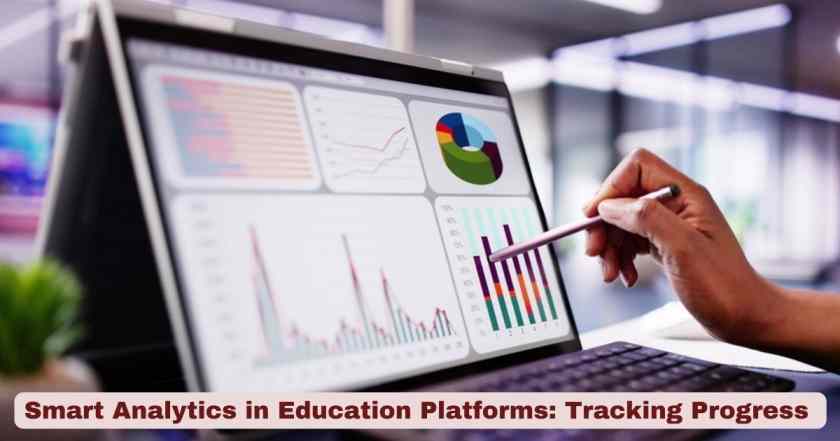
Tracking progress feature within the education software platform is one of the most important features that help see how every student move to the set goals and what complications they have right now. Besides this, it tracks their activities and compares results with the efforts that they put into their learning.
What is includes? Typically, monitoring course completion, task completion, test participation, and interaction with materials. With it, teachers and managers can define problems before they become a risk to students, adapt learning plans and materials, and provide personalized support, which together strive to boost students’ motivation.
How do educational platforms collect and analyze learning data?
Through student interaction with courses – reviewing materials, taking tests, completing assignments, participating in forums, or video conferences. Then, the collected data is analyzed by analytics tools and algorithms that predict issues and show the current progress of every student. Based on this, teachers can adapt students’ plans to their current knowledge level.
What metrics should schools and teachers track?
To understand what must be improved or changed, and see every student’s progress, schools should track the following metrics:
- Progress in learning and completing assignments.
- Test results and grades.
- Activity in courses and participation in materials.
- Time spent on learning.
- Interaction with the teacher and classmates.
- Level of completion of courses and assignments.
- Predictions of risk of falling behind or low performance.
How can predictive analytics improve learning outcomes?
Predictive analytics identify students who fall behind right from the start, help adapt materials to their needs, personalize assignments and recommendations. By doing this, students learn more effectively and teachers can make better decisions about how to help them.
Real-time reporting for personalized learning
Real-time reporting is a system that shows ongoing students’ progress and their activities on a platform. Gathered data serves as a vital source of data for further materials adaptation and the learning process overall to help them make the right and confident steps in their learning journey. Agree that there’s more efficiency and motivation for learning when teachers can see who’s falling behind or needs extra help.
What challenges arise when implementing analytics in educational systems?
There are the main ones:
- Collecting and processing large amounts of data may be challenging.
- Students’ personal information must be protected.
- In some cases, it’s difficult to integrate analytics with existing learning platforms.
- Teachers need data skills to analyze the data that the platform provides.
- Data can be misinterpreted.
- Implementing and maintaining the system can be expensive.
What benefits do students, parents, and teachers receive from predictive analytics?
Predictive analytics in education benefits all participants in the educational process. That’s a row fact. Students get ongoing support, personalized recommendations, and are motivated to improve their results. Parents get a clear picture of their child’s progress and can provide timely support for their learning. For teachers, it’s an opportunity to get tools to make informed decisions, see who needs help, and adapt materials and assignments to each student.
Conclusion
Tracking progress in the education platform is as important as the materials that students get there. When students see their achievements, they get a dose of motivation to move forward, not slowing down. It’s a way to communicate with them – “Hey, you’re well done, go ahead!”
For schools, it’s a way to easily and quickly track every student’s progress and make actions according to them. No more extra time staff spend on evaluating students’ tests, and deep analysis that also requires some time. It literally benefits everyone involved in the learning process.