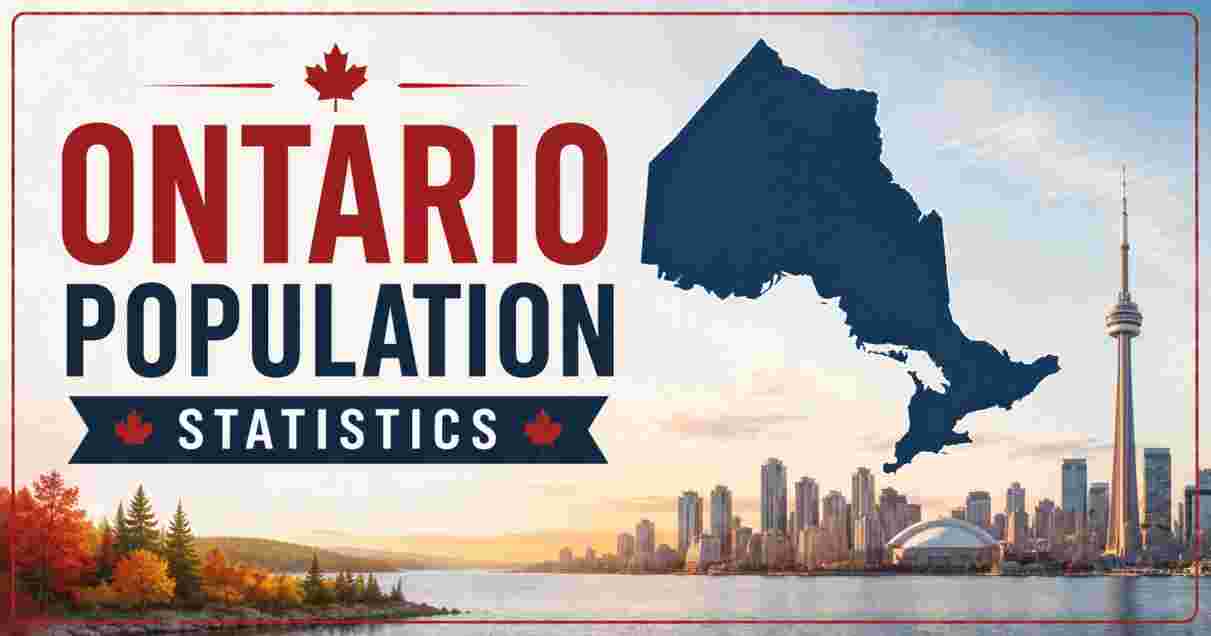
Ontario Population Statistics 2026
Ontario stands as Canada’s most populous and economically dominant province, home to nearly 39% of the entire country’s population — yet for the first time in decades, Ontario’s population shrank in 2025. According to official estimates released by Statistics Canada and the Ontario Ministry of Finance on March 18, 2026, Ontario’s population stood at 16,136,480 as of January 1, 2026 — a decline of 119,070 residents, or −0.7%, over the course of 2025. This marks a dramatic reversal from 2024, when the province added 309,404 people at a growth rate of 1.9%. The cause is unmistakable: a mass exodus of non-permanent residents (NPRs) — foreign workers, international students, and asylum claimants — triggered by federal government policies introduced in 2024 aimed at reducing Canada’s NPR population back to below 5% of the national total.
The reversal is historic in scale and context. Ontario had been the single largest destination for immigrants in Canada for decades, absorbing 43% of all national immigration year after year, and the province’s population had grown at some of the fastest rates in its history during 2022–2024. But the same NPR surge that drove that growth — record net inflows of 343,000 NPRs in 2023–24 alone — has now gone sharply into reverse. The Ontario population decline of 2025 is not a story of people leaving Canada; it is a story of temporary residents whose permits expired or were not renewed, leaving the province in numbers that overwhelmed the ongoing flow of permanent immigrants. Understanding this shift, its drivers, and its demographic backdrop is essential for anyone analysing Ontario’s population statistics in 2026.
Interesting Facts: Ontario Population 2026
ONTARIO POPULATION — KEY NUMBERS AT A GLANCE (JAN 1, 2026)
━━━━━━━━━━━━━━━━━━━━━━━━━━━━━━━━━━━━━━━━━━━━━━━━━━━━━━━━━━━━
  Population (Jan 1, 2026)    ██████████████████████████  16,136,480
  Population (Jan 1, 2025)    ██████████████████████████  16,255,550
  Change in 2025              ░░░░ DECLINE of −119,070 (−0.7%)
  2021 Census Population      ████████████████████████    14,223,942
  % of Canada's Population    ████████████████            ~38.9%
  Non-Permanent Residents     ████                         1,200,779
━━━━━━━━━━━━━━━━━━━━━━━━━━━━━━━━━━━━━━━━━━━━━━━━━━━━━━━━━━━━
| Fact | Data Point |
|---|---|
| Ontario population as of January 1, 2026 | 16,136,480 |
| Ontario population as of January 1, 2025 | 16,255,550 |
| Annual population change in 2025 | −119,070 (−0.7%) — first annual decline in decades |
| Annual population change in 2024 | +309,404 (+1.9%) — boom year |
| Q4 2025 population change alone | −54,892 (2nd consecutive quarterly decline) |
| Q3 2025 population change | −66,888 |
| Ontario’s rank by population in Canada | 1st — most populous province |
| Ontario’s share of Canada’s population | ~38.9% |
| Ontario’s share of all immigrants to Canada (2025) | 43.1% |
| Total immigrants received in 2025 | 169,689 (down from 205,887 in 2024) |
| Non-permanent residents in Ontario (Jan 1, 2026) | 1,200,779 |
| Change in NPRs over 2025 | −261,269 (down 17.9% from Jan 2025) |
| Net interprovincial migration loss (2025) | −14,044 |
| Births in Ontario (2025) | 145,169 |
| Deaths in Ontario (2025) | 127,457 |
| Natural increase (2025) | +17,712 |
| Ontario 2021 Census population | 14,223,942 |
| Median age of Ontario (2021 Census) | 41.3 years |
| % living in census metropolitan areas (2021) | 90.0% — highest in Canada |
| Largest racialized group (2021 Census) | South Asian — 10.8% of population (1,515,295 persons) |
| Racialized groups as % of Ontario population (2021) | 34.3% |
| Immigrants who came to Ontario 2016–2021 | 584,680 |
| Ontario population projection for 2051 | ~20.5 million |
| Canada total population (Jan 1, 2026) | 41,472,081 |
Source: Ontario Ministry of Finance, Ontario Demographic Quarterly Q4 2025 (April 10, 2026); Statistics Canada The Daily — Canada’s Population Estimates, Q4 2025 (March 18, 2026); Statistics Canada 2021 Census of Population; Ontario Ministry of Finance Population Projections 2025
What these numbers reveal is a province in a genuinely unprecedented demographic moment. Ontario has been Canada’s population engine for generations — yet 2025 saw a larger raw decline in Ontario’s population than any other province, with −119,070 residents representing the most significant annual population drop in Ontario’s modern history. The decline is driven almost entirely by the reversal of non-permanent resident flows, as federal caps on foreign students and workers took effect. Yet critically, Ontario’s natural increase remained positive at +17,712 — births still exceed deaths — and 169,689 permanent immigrants still chose Ontario as their destination in 2025. This is not demographic collapse; it is a sharp structural correction after years of historically exceptional NPR-driven growth.
The diversity story embedded in these figures is equally striking. As of the 2021 Census, 34.3% of Ontario’s population belonged to a racialized group — the second-highest proportion among provinces — and in the Toronto Census Metropolitan Area, racialized groups actually form a majority at 51.4% of the population. Ontario absorbs 43% of all immigrants to Canada annually, cementing its role as the country’s primary destination for newcomers from every corner of the world. Even as the NPR correction plays out, Ontario’s fundamental role as Canada’s immigration gateway and economic heartland remains unchanged — and the province’s population is still projected to reach 20.5 million by 2051.
Ontario Population Growth Trend in Canada 2026
ONTARIO POPULATION — ANNUAL TREND (JULY 1 ESTIMATES)
━━━━━━━━━━━━━━━━━━━━━━━━━━━━━━━━━━━━━━━━━━━━━━━━━━━━━━━━━━━━
Year  | Population     | Growth Rate | Change
━━━━━━━━━━━━━━━━━━━━━━━━━━━━━━━━━━━━━━━━━━━━━━━━━━━━━━━━━━━━
2016  | 13,628,870     |  1.2%       | +161K
2018  | 14,011,473     |  1.7%       | +234K
2020  | 14,534,756     |  1.1%       | +154K
2021  | 14,713,478     |  1.2%       | +179K
2022  | 14,942,953     |  1.6%       | +229K
2023  | 15,801,477     |  5.7%       | +858K  ← Record surge
2024  | 16,144,797     |  2.2%       | +343K
2025  | 16,258,260     |  0.7%       | +113K (Jul estimate)
Jan 1, 2026 | 16,136,480 | −0.7%   | −119K  ← Annual decline
━━━━━━━━━━━━━━━━━━━━━━━━━━━━━━━━━━━━━━━━━━━━━━━━━━━━━━━━━━━━
Source: Statistics Canada Table 17-10-0009-01; Ontario Ministry of Finance
| Year (July 1) | Ontario Population | Annual Growth Rate | Net Change |
|---|---|---|---|
| 2015 | 13,448,494 | 0.8% | +107K |
| 2017 | 13,795,917 | 1.2% | +167K |
| 2019 | 14,286,768 | 1.5% | +275K |
| 2020 | 14,534,756 | 1.1% | +248K |
| 2021 | 14,713,478 | 1.2% | +179K |
| 2022 | 14,942,953 | 1.6% | +229K |
| 2023 | 15,801,477 | 5.7% | +858,524 ← All-time record |
| 2024 | 16,144,797 | 2.2% | +343,320 |
| 2025 | 16,258,260 | 0.7% | +113,463 |
| Jan 1, 2026 | 16,136,480 | −0.7% | −119,070 |
Source: Statistics Canada, Table 17-10-0009-01; Ontario Ministry of Finance, Ontario Demographic Quarterly Q4 2025 (April 10, 2026)
Ontario’s population growth trajectory over the past decade divides sharply into two phases. The first, running from roughly 2015 to 2022, saw steady, immigration-led growth in the range of 1.0% to 1.6% annually, consistent with the province’s long-term historical pattern. The second phase — beginning in 2022–23 — was anything but ordinary. A surge in non-permanent residents, driven by record federal temporary resident permit issuances, pushed Ontario’s growth to a staggering 5.7% in the year to July 1, 2023, equivalent to 858,524 additional people in a single year — the largest absolute and proportional annual growth in Ontario’s recorded demographic history. This was followed by +343,320 in 2024, still far above historical norms.
The reversal is equally dramatic. By the calendar year 2025, the net change flipped to −119,070, as the federal government’s NPR reduction policies took hold. In Q3 2025, Ontario lost 66,888 people — the larger of the two consecutive quarterly declines — followed by a loss of 54,892 in Q4 2025. The critical insight is that natural increase and permanent immigration remained positive throughout: Ontario recorded 145,169 births and 127,457 deaths in 2025, for a natural gain of +17,712, and received 169,689 permanent immigrants. The total decline happened entirely because NPR departures of 443,629 vastly outnumbered NPR inflows of 182,360 — a net NPR loss of −261,269 for the year. Ontario’s underlying demographic health is intact; what collapsed was the temporary-resident layer stacked on top of it during the boom years.
Components of Population Change in Ontario in Canada 2026
ONTARIO COMPONENTS OF POPULATION CHANGE — CALENDAR YEAR 2025
━━━━━━━━━━━━━━━━━━━━━━━━━━━━━━━━━━━━━━━━━━━━━━━━━━━━━━━━━━━━
Component                       | Net Change  | Direction
━━━━━━━━━━━━━━━━━━━━━━━━━━━━━━━━━━━━━━━━━━━━━━━━━━━━━━━━━━━━
Natural Increase (Births−Deaths)| +17,712     | ████ Positive
International Immigration       | +169,689    | ████████████ Positive
Emigration (net)                | −31,158     | ░░░ Negative
Net Change in NPRs              | −261,269    | ░░░░░░░░░░░░░░░░ Large negative
Net Interprovincial Migration   | −14,044     | ░░ Negative
Total Net Migration             | −136,782    | ░░░░░░░░░ Net negative
TOTAL POPULATION CHANGE         | −119,070    | ░░░░░░░░ DECLINE
━━━━━━━━━━━━━━━━━━━━━━━━━━━━━━━━━━━━━━━━━━━━━━━━━━━━━━━━━━━━
Source: Ontario Ministry of Finance / Statistics Canada (April 10, 2026)
| Component | Calendar Year 2024 | Calendar Year 2025 | Change |
|---|---|---|---|
| Natural Increase | +20,382 | +17,712 | −2,670 |
| Births | 143,687 | 145,169 | +1,482 |
| Deaths | 123,305 | 127,457 | +4,152 |
| International Immigration | +205,887 | +169,689 | −36,198 |
| Emigration (net) | −30,570 | −31,158 | −588 |
| Net Change in Non-Permanent Residents | +147,780 | −261,269 | −409,049 |
| Net Interprovincial Migration | −34,075 | −14,044 | +20,031 |
| Total Population Change | +309,404 | −119,070 | −428,474 |
Source: Ontario Ministry of Finance, Ontario Demographic Quarterly Q4 2025 (April 10, 2026); Statistics Canada, Table 17-10-0009-01
The components of Ontario’s population change in 2025 tell a story dominated by a single variable: the collapse of the non-permanent resident population. The net change in NPRs swung from +147,780 in 2024 to −261,269 in 2025 — a difference of −409,049, which single-handedly explains why Ontario’s total population went from growing by 309,404 to shrinking by 119,070. Had NPR flows remained neutral, Ontario would have grown by roughly 157,000 people in 2025 — a solid, healthy gain by historical standards. The scale of the NPR reversal is without modern precedent for the province, and it reflects the direct impact of federal measures: NPR outflows of 443,629 overwhelmed inflows of just 182,360, producing a net loss of over a quarter million temporary residents.
Every other component of growth remained positive or improved. Births exceeded deaths by 17,712 — Ontario’s natural increase has been positive every year and continues to provide a steady demographic floor. Permanent immigration of 169,689 is below the boom-year peak but still historically substantial, representing 43.1% of all immigrants to Canada in 2025. Most encouragingly, net interprovincial migration losses shrank sharply from −34,075 in 2024 to −14,044 in 2025 — a sign that Ontario is becoming relatively more attractive to people already in Canada as housing conditions and labour markets in competing provinces like Alberta and BC adjust. The NPR correction is a one-off structural event; the fundamentals of Ontario’s population story remain sound.
Non-Permanent Residents in Ontario in Canada 2026
NON-PERMANENT RESIDENTS IN ONTARIO — TREND (JAN 1)
━━━━━━━━━━━━━━━━━━━━━━━━━━━━━━━━━━━━━━━━━━━━━━━━━━━━━━━━━━━━
Date         | Total NPRs    | Change
━━━━━━━━━━━━━━━━━━━━━━━━━━━━━━━━━━━━━━━━━━━━━━━━━━━━━━━━━━━━
Jan 1, 2024  |  1,314,268    | +40.7% from 2023 ← Record
Jan 1, 2025  |  1,462,048    | +11.2% from 2024 ← Peak
Jan 1, 2026  |  1,200,779    | −17.9% from 2025 ← Decline
━━━━━━━━━━━━━━━━━━━━━━━━━━━━━━━━━━━━━━━━━━━━━━━━━━━━━━━━━━━━
NPR Category breakdown (Jan 1, 2026):
  Work Permit Only     |  630,506  | ████████████████████████
  Asylum Claimants     |  249,755  | ██████████
  Study Permit Only    |  168,157  | ███████
  Both Work & Study    |  102,025  | ████
  Other                |   50,336  | ██
━━━━━━━━━━━━━━━━━━━━━━━━━━━━━━━━━━━━━━━━━━━━━━━━━━━━━━━━━━━━
Source: Ontario Ministry of Finance / Statistics Canada (Apr 10, 2026)
| NPR Category | Jan 1, 2024 | Jan 1, 2025 | Jan 1, 2026 | 2025 Change |
|---|---|---|---|---|
| Holders of Work Permit Only | 586,628 | 719,701 | 630,506 | −89,195 |
| Asylum Claimants & Protected Persons | 154,697 | 222,635 | 249,755 | +27,120 |
| Holders of Study Permit Only | 335,622 | 283,666 | 168,157 | −115,509 |
| Holders of Both Work & Study Permit | 184,911 | 173,884 | 102,025 | −71,859 |
| Other | 52,410 | 62,162 | 50,336 | −11,826 |
| Total NPRs in Ontario | 1,314,268 | 1,462,048 | 1,200,779 | −261,269 (−17.9%) |
Source: Ontario Ministry of Finance, Ontario Demographic Quarterly Q4 2025 (April 10, 2026); Statistics Canada, Table 17-10-0121-01
Ontario’s non-permanent resident population peaked at 1,462,048 on January 1, 2025 and fell sharply to 1,200,779 by January 1, 2026 — a decline of 261,269 people, or 17.9%. This followed years of extraordinary growth: the NPR population had surged 40.7% in 2023 alone and a further 11.2% in 2024, driven by record issuances of work and study permits as Canada aggressively scaled up its temporary resident pathways. The federal government’s reversal — targeting a reduction to below 5% NPRs as a share of national population by end of 2026 — has produced the sharpest annual drop in Ontario’s NPR count on record. Study permit holders were the hardest hit, dropping by 115,509 as caps on international student enrolment at designated learning institutions took effect, followed by work permit holders −89,195 and those holding combined permits −71,859.
The only NPR category that grew in 2025 was asylum claimants and protected persons, which increased by 27,120 to 249,755 — a figure that reflects continuing humanitarian pressures at Canada’s borders and the slower processing timelines for refugee claims. As of January 1, 2026, Ontario held approximately 44.9% of all non-permanent residents in Canada (1,200,779 out of the national total of 2,676,441), a share consistent with Ontario’s historical dominance as the primary destination for temporary residents. The Q4 2025 quarterly decline alone was −82,291 NPRs, the single largest quarterly drop recorded. These numbers define the mechanism of Ontario’s 2025 population decline, and how quickly the NPR trajectory reverses — or stabilises — will be the dominant factor in whether Ontario returns to population growth in 2026 and beyond.
Ontario Population by Age Group in Canada 2026
ONTARIO POPULATION AGE DISTRIBUTION — 2021 CENSUS
━━━━━━━━━━━━━━━━━━━━━━━━━━━━━━━━━━━━━━━━━━━━━━━━━━━━━━━━━━━━
Age Group       | % of Population  | Bar
━━━━━━━━━━━━━━━━━━━━━━━━━━━━━━━━━━━━━━━━━━━━━━━━━━━━━━━━━━━━
0–14 years      |  15.7%           | ████████████████
15–24 years     |  11.3%           | ███████████
25–44 years     |  28.7%           | ████████████████████████████
45–64 years     |  25.8%           | █████████████████████████
65+ years       |  18.5%           | ██████████████████
━━━━━━━━━━━━━━━━━━━━━━━━━━━━━━━━━━━━━━━━━━━━━━━━━━━━━━━━━━━━
Median age (2021 Census): 41.3 years
Source: Statistics Canada 2021 Census of Population
| Age Group | % of Ontario Population (2021 Census) | Est. Population (2021 base) |
|---|---|---|
| 0–14 years | 15.7% | ~2,233,158 |
| 15–24 years | 11.3% | ~1,607,305 |
| 25–44 years | 28.7% | ~4,082,270 |
| 45–64 years | 25.8% | ~3,669,777 |
| 65 years and over | 18.5% | ~2,631,429 |
| 85 years and over (Toronto, 2021) | 2.6% (Toronto city) | — |
| Median Age — Ontario | — | 41.3 years |
| Median Age — Women+ | — | ~42–43 years |
| Median Age — Men+ | — | ~40–41 years |
| % in census metropolitan areas | 90.0% | 12,799,840 persons |
Source: Statistics Canada, 2021 Census of Population, Focus on Geography Series — Ontario; Statistics Canada Catalogue no. 98-316-X2021001
Ontario’s age structure in 2026 reflects the dual realities of a maturing population and a province continually refreshed by young immigrants. The 25–44 age group is the largest single broad cohort at 28.7% of the population — a direct result of Ontario’s consistent absorption of working-age immigrants and inter-provincial migrants in their prime earning years. This working-age dominance distinguishes Ontario from the Atlantic provinces, where the 55+ cohorts dominate. The 18.5% of the population aged 65 and over is lower than the national average for Atlantic Canada, but the sheer absolute numbers — over 2.6 million seniors — place an enormous fiscal demand on healthcare and long-term care services. Ontario’s median age of 41.3 years (2021 Census) is slightly above the national median of 41.1 years, but the large inflow of young immigrants has likely moderated this figure in the years since.
Ontario’s 90% urbanisation rate is the highest of any Canadian province, meaning that virtually the entire population lives within a Census Metropolitan Area (CMA) or Census Agglomeration (CA). This concentration shapes every demographic dynamic: aging is slower in urban Ontario than in rural areas (where median ages can reach the upper 40s and above), access to services is concentrated in urban corridors, and immigration’s rejuvenating effect is almost entirely experienced in the Toronto-Hamilton corridor, Ottawa, London, and Kitchener-Waterloo. The rural 10% of Ontario’s population — approximately 1.4 million people — tends to skew significantly older, with rural median ages frequently exceeding 47 years, creating a structural geographic divide in how Ontario’s aging challenge is experienced across its 49 census divisions.
Immigration and Diversity Demographics in Ontario in Canada 2026
ONTARIO RACIALIZED GROUPS — 2021 CENSUS (% of Ontario Population)
━━━━━━━━━━━━━━━━━━━━━━━━━━━━━━━━━━━━━━━━━━━━━━━━━━━━━━━━━━━━
South Asian   | 10.8%  | ██████████████████████████████████████████████
Chinese       |  5.8%  | █████████████████████████
Black         |  5.5%  | ████████████████████████
Filipino      |  ~3%   | █████████████
Other Groups  |  ~9%   | ████████████████████████████████████
Total Racialized: 34.3% of Ontario's total population (2021)
━━━━━━━━━━━━━━━━━━━━━━━━━━━━━━━━━━━━━━━━━━━━━━━━━━━━━━━━━━━━
Source: Statistics Canada, 2021 Census of Population (Focus on Geography: Ontario)
| Diversity Metric | Data Point | Year |
|---|---|---|
| Racialized groups — % of Ontario population | 34.3% | 2021 Census |
| Largest racialized group — South Asian | 10.8% (1,515,295 persons) | 2021 Census |
| 2nd largest — Chinese | 5.8% (820,245 persons) | 2021 Census |
| 3rd largest — Black | 5.5% (768,735 persons) | 2021 Census |
| Toronto CMA — racialized group share | 51.4% (majority) | 2021 Census |
| Rest of Ontario — racialized group share | 11.8% | 2021 Census |
| Immigrants who arrived 2016–2021 | 584,680 | 2021 Census |
| Largest ethnic origin — English | 16.7% (2,347,690 persons) | 2021 Census |
| 2nd largest — Irish | 14.3% (1,999,990 persons) | 2021 Census |
| 3rd largest — Scottish | 13.8% (1,937,010 persons) | 2021 Census |
| Population with no religion (2021) | 31.6% | 2021 Census |
| Catholic as % of population | 26.0% | 2021 Census |
| Ontario’s share of all Canada’s immigrants (2025) | 43.1% | Ontario Min. of Finance 2026 |
| Total immigrants to Ontario (2025) | 169,689 | Ontario Min. of Finance 2026 |
Source: Statistics Canada, 2021 Census of Population — Focus on Geography: Ontario; Ontario Ministry of Finance, Ontario Demographic Quarterly Q4 2025 (April 10, 2026)
Ontario is not merely diverse — it is, by the numbers, one of the most ethnically and culturally diverse jurisdictions on earth. As of the 2021 Census, 34.3% of Ontario’s entire population identified as a racialized group — a proportion that places Ontario second only to British Columbia (34.4%) among Canadian provinces. The Toronto Census Metropolitan Area has crossed a threshold that would have seemed improbable just a generation ago: racialized groups now form 51.4% of the Toronto CMA population — an absolute majority in Canada’s largest city. In 1996, that figure was 31.6%. The transformation over 25 years reflects the sustained cumulative weight of Canada’s immigration policy, with South Asian Canadians as the largest group at 10.8% of Ontario’s total population (1,515,295 persons), followed by Chinese (5.8%) and Black (820,245, 5.5%). These are not immigrants; many are second and third-generation Ontarians whose families built their roots here.
Beyond the racialized group data, the ethnic and cultural origin landscape of Ontario remains layered by its colonial and settler history. English ancestry (16.7%) remains the most frequently reported ethnic origin across the province, followed by Irish (14.3%) and Scottish (13.8%) — a legacy of 19th-century immigration that still runs deep in southern and eastern Ontario. Ontario’s religious landscape has also shifted dramatically: 31.6% of the population reported no religious affiliation in 2021, while the Catholic population at 26.0% reflects the large Irish, Italian, Polish, and Latin American communities concentrated in Toronto and its suburbs. Ontario absorbed 43.1% of all immigrants who came to Canada in 2025 — 169,689 permanent arrivals — continuing its role as the undisputed gateway province for newcomers, even as the overall immigration intake was scaled back from the historic highs of 2022 and 2023.
Ontario Population Projection in Canada 2026 to 2051
ONTARIO POPULATION PROJECTIONS — REFERENCE SCENARIO (JULY 1)
━━━━━━━━━━━━━━━━━━━━━━━━━━━━━━━━━━━━━━━━━━━━━━━━━━━━━━━━━━━━
Year  | Projected Population | Growth Rate
━━━━━━━━━━━━━━━━━━━━━━━━━━━━━━━━━━━━━━━━━━━━━━━━━━━━━━━━━━━━
2024  | 16,100,000 (base)    | —
2026  | ~16,200,000          | ~0.2%
2031  | ~17,100,000          | ~1.0%
2036  | ~17,900,000          | ~0.9%
2041  | ~18,700,000          | ~0.9%
2046  | ~19,600,000          | ~1.0%
2051  | ~20,500,000          | ~0.9%
━━━━━━━━━━━━━━━━━━━━━━━━━━━━━━━━━━━━━━━━━━━━━━━━━━━━━━━━━━━━
Total projected growth 2024–2051: +27.4% (+4.4 million people)
Source: Ontario Ministry of Finance Population Projections 2025
| Year | Projected Ontario Population | Projected Annual Growth Rate |
|---|---|---|
| 2024 (base year) | ~16.1 million | — |
| 2025–26 | ~16.2 million | ~0.2% |
| 2030 | ~17.0 million | ~1.0% |
| 2035 | ~17.8 million | ~0.9% |
| 2040 | ~18.5 million | ~0.9% |
| 2045 | ~19.2 million | ~0.9% |
| 2051 | ~20.5 million | ~0.9% |
| Total growth 2024–2051 | +4.4 million | +27.4% |
Source: Ontario Ministry of Finance, Ontario Population Projections 2025 (Published August 2025); Ontario Ministry of Finance Demographic Quarterly Q4 2025 (April 10, 2026)
The Ontario Ministry of Finance’s reference scenario projects the province’s population growing from approximately 16.1 million in mid-2024 to over 20.5 million by July 1, 2051 — a total increase of 4.4 million people, or 27.4%, over 27 years. The near-term growth rate is expected to be slow — just 0.2% in 2025–26 as the NPR correction continues to work through the system — before recovering to a more typical ~0.9% to 1.0% annually as permanent immigration gradually replaces the volume previously provided by temporary residents. The federal government’s planned immigration levels of 380,000 nationally in 2026 and 365,000 in 2027 will shape how quickly this transition happens, with Ontario historically securing roughly 43% of those national arrivals.
The long-term projection matters for infrastructure, fiscal, and service planning. An Ontario of 20.5 million by 2051 implies the equivalent of adding another city the size of today’s Toronto to the existing population — with profound implications for housing, transit, healthcare, and education planning. The dependency ratio — the ratio of children and seniors to working-age adults — will increase as the baby boom generation moves fully into the 65+ bracket through the 2030s, raising the fiscal pressure per working Ontarian even as absolute population grows. The Ministry of Finance is explicit that these projections are not government targets, but for businesses, municipalities, and planners, they represent the most authoritative single view of what Ontario’s demographic future looks like under a continuation of recent trends — and why the province’s current population dip is, in all probability, a temporary detour rather than a permanent turning point.
Disclaimer: The data research report we present here is based on information found from various sources. We are not liable for any financial loss, errors, or damages of any kind that may result from the use of the information herein. We acknowledge that though we try to report accurately, we cannot verify the absolute facts of everything that has been represented.