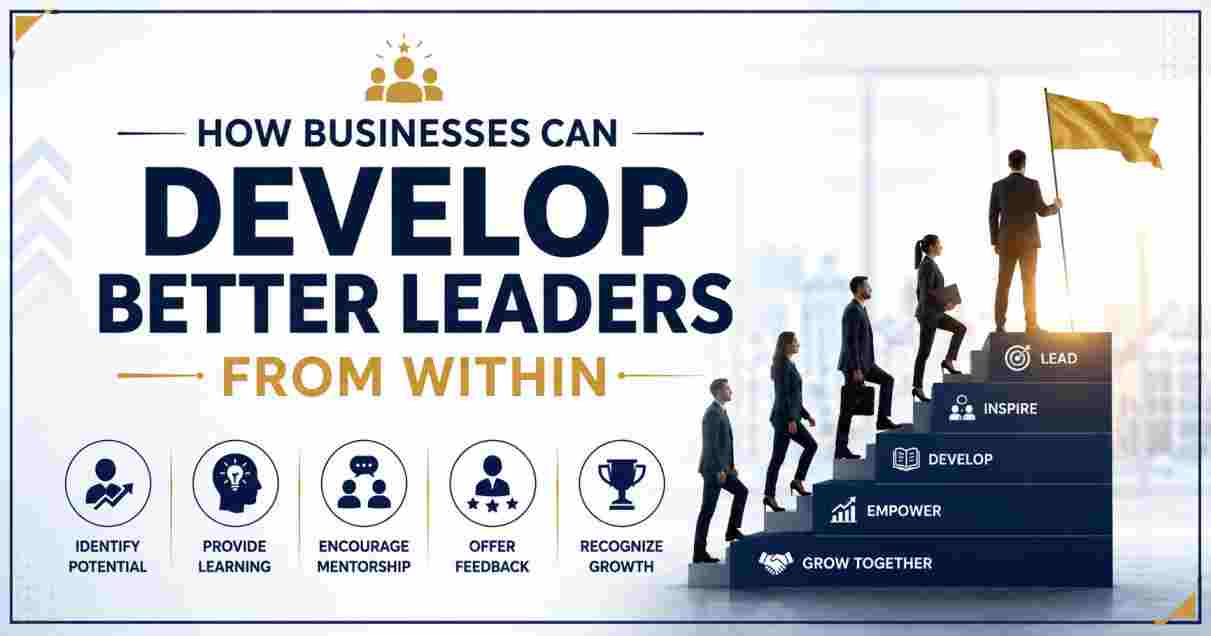
Strong leadership does not always have to come from outside the business. In many cases, the people with the greatest potential to become effective managers and decision-makers are already part of the team. They understand the company, know how its people work, and have firsthand experience of its challenges.
Developing leaders internally can help businesses retain valuable employees, preserve institutional knowledge, and create clearer opportunities for career progression. The key is giving potential leaders the right support before they are expected to step into bigger roles.
Look Beyond Current Job Titles
Leadership potential is not always found in the loudest person in the room or the employee who has been with the company longest. Businesses should look for people who communicate well, take responsibility, support colleagues, and remain calm when problems arise.
An employee may be excellent at their current job without automatically being suited to management. Equally, somebody in a relatively junior role may already demonstrate many of the qualities needed to lead others effectively.
Managers should therefore pay attention to behaviors as well as performance when identifying future leaders.
Give People Opportunities to Lead Early
Employees need chances to practice leadership before taking on a formal management position. This might involve asking somebody to oversee a small project, mentor a new employee, lead a meeting, or coordinate work across different departments.
Smaller responsibilities provide a useful testing ground. Employees can develop their confidence and discover which aspects of leadership come naturally, while managers can identify where additional support may be needed.
These opportunities also make leadership development feel like a gradual process rather than a sudden promotion followed by a steep learning curve.
Invest in Relevant Learning and Development
Being technically skilled does not necessarily prepare somebody to manage people. New leaders may need to learn how to give feedback, delegate work, deal with conflict, communicate expectations, and motivate different personalities.
Structured development can help fill those gaps. Businesses might use workshops, digital learning, mentoring, coaching, or a mixture of different approaches. Providers such as Sponge Learning can also help organizations create workplace learning experiences designed around specific skills and business needs.
Leadership training is often most useful when employees can immediately apply what they have learned to genuine workplace situations.
Make Feedback Part of the Process
Future leaders need useful feedback, not just an annual performance review. Regular conversations about what is going well and what could improve give employees a clearer understanding of their development.
Feedback should work both ways. Emerging leaders should also feel able to ask questions, discuss difficult situations, and admit when they are unsure about something without feeling that it will count against them.
Creating that openness helps people learn faster and prevents small management mistakes from becoming established habits.
Create a Visible Path Forward
Employees are more likely to invest in developing leadership skills when they can see where those skills might take them. Businesses should make progression routes as clear as possible and explain what is expected at different levels of responsibility.
Not every employee will want to become a manager, and that is perfectly fine. For those who do, however, a visible path can provide motivation and direction.
Ultimately, developing leaders from within is about spotting potential early and nurturing it consistently. When businesses give employees opportunities to learn, practice, receive feedback, and grow, they can build a stronger leadership pipeline while giving talented people more reasons to stay.