AI Data Center in America 2026
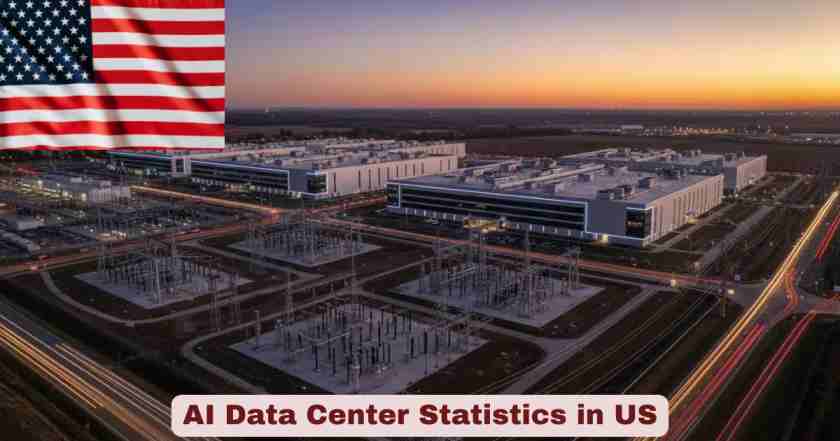
AI data centers are the physical backbone of the modern intelligence economy — purpose-built facilities housing thousands of high-performance GPU servers, advanced cooling infrastructure, redundant power systems, and ultra-fast networking hardware specifically engineered to run the world’s most demanding artificial intelligence workloads. Unlike traditional data centers that handle general cloud storage and web hosting, AI data centers are optimized for two fundamentally different tasks: training large-scale AI models (a process that requires weeks or months of sustained maximum-power computation) and inference (generating real-time outputs for billions of daily user queries). A single hyperscale AI data center can consume more electricity in a year than a mid-sized American city, cover hundreds of acres, and cost billions of dollars to construct. The Oracle Stargate I campus in Abilene, Texas — which alone houses over 450,000 NVIDIA GB200 GPUs — is one of the most striking examples of infrastructure at a scale that has no historical precedent in commercial computing.
In 2026, the AI data center boom in the United States has reached a scale that is reshaping national energy policy, regional electricity grids, real estate markets, and geopolitical strategy simultaneously. As of March 2026, the US hosts 4,011 data centers — far more than any other country on earth — and the Big Five hyperscalers (Amazon, Alphabet/Google, Microsoft, Meta, and Oracle) have collectively committed between $660 billion and $690 billion in capital expenditure for 2026 alone, with approximately 75% of that spend — roughly $450 billion — directed specifically at AI infrastructure (CreditSights). Global data center capex is on track to surpass $1 trillion for the first time ever this year, a milestone that analysts at Dell’Oro Group had not expected until 2029. What is happening in the US right now is not a technology investment cycle. It is a national infrastructure transformation of the highest order.
Interesting Facts About AI Data Centers in the US 2026
| AI Data Center US 2026 — Key Facts | Detail |
|---|---|
| The US hosts 4,011 data centers as of March 2026 | The UK ranks #2 with just 511 — the US lead is enormous |
| ~70% of all global internet traffic passes through Northern Virginia daily | A single US corridor processes more internet activity than most entire nations |
| One AI hyperscale site uses as much power annually as 100,000 homes | The largest sites being built will use 20 times that amount (IEA, via Pew Research) |
| Data centers now account for ~50% of all new US electricity demand growth | The IEA confirmed data centers are the single largest contributor to rising US power demand |
| Training a single large AI model like GPT-4 consumes electricity equal to 800,000 US homes | AI model training is one of the most energy-intensive industrial processes in history |
| The average AI rack costs $3.9 million in 2026 | This is 7.8× higher than the $500,000 cost of a traditional server rack |
| Large AI data centers consume up to 5 million gallons of water per day | That equals the daily water usage of a town of 50,000 residents |
| North American data center capacity grew more than 43% year-over-year | No other infrastructure sector has ever grown this fast in peacetime |
| As few as 23,000 people hold permanent data center jobs across the entire US | That is just 0.01% of total US employment, despite consuming 4%+ of all US electricity |
| Community opposition blocked or delayed $98 billion in US data center projects between March and June 2025 | Public resistance is now a material risk factor for the industry |
Source: Programs.com March 2026, IEA via Fortune April 2026, AllAboutAI 2026, Lawrence Berkeley National Laboratory 2024, Pew Research 2025, Food & Water Watch January 2026, Data Center Watch 2025
The scale embedded in these facts is genuinely difficult to internalize. 4,011 US data centers versus the UK’s 511 is not a marginal lead — it reflects decades of first-mover advantage in cloud computing, favorable regulation, competitive energy prices, and deliberate infrastructure investment by the world’s largest technology companies. The 70% of global internet traffic flowing through Northern Virginia’s “Data Center Alley” in Loudoun County is a remarkable concentration of critical digital infrastructure, but it also represents an enormous vulnerability — as demonstrated in July 2024 when a voltage fluctuation caused 60 data centers to simultaneously disconnect, triggering a 1,500 MW power surplus that nearly caused a cascading grid failure (Belfer Center, Harvard, February 2026). The $3.9 million per AI rack cost figure — nearly 8× the cost of traditional hardware — illustrates why the economics of 2026 AI data center construction require institutional-grade capital markets, not just technology company cash flows.
US AI Data Center Count & Market Size 2026 | Scale & Growth
| Metric | Value |
|---|---|
| Total US data centers (March 2026) | 4,011 |
| Total global data centers (March 2026) | 11,038 |
| US share of all global data centers | ~36% |
| US hyperscale data center services revenue (2026) | $271.6 billion |
| 5-year CAGR of US hyperscale industry (2021–2026) | 30.1% |
| Year-over-year revenue growth for US hyperscale (2026) | 26.5% |
| AI data center market size globally (2025) | $344.24 billion |
| AI data center market size globally (projected 2032) | $2,023.52 billion |
| AI data center market CAGR (2025–2032) | 27.5% |
| North American data center capacity YoY growth | +43% |
Source: Programs.com March 2026, IBISWorld March 2026, MarketsandMarkets 2025
US DATA CENTER COUNT vs GLOBAL TOP 5 — 2026
━━━━━━━━━━━━━━━━━━━━━━━━━━━━━━━━━━━━━━━━━━━━━━━━━━━━━━━━━━
  United States  ████████████████████████████████████████████ 4,011
United Kingdom  █████ 511
  Germany        █████ 507
  China          ████ 368
  France         ████ 344
━━━━━━━━━━━━━━━━━━━━━━━━━━━━━━━━━━━━━━━━━━━━━━━━━━━━━━━━━━
  US leads the global #2 ranked country by nearly 8:1
The US data center market in 2026 is operating at a pace that defies conventional infrastructure investment logic. A 30.1% compound annual growth rate over five years in the hyperscale segment — now generating $271.6 billion in annual revenue — represents one of the fastest expansions of any capital-intensive industry in modern US history. To put the 43% year-over-year capacity growth in North America into context: the US electricity transmission grid, which took over a century to build, grew capacity by less than 2% per year over the past decade. The data center sector is asking that same grid to accommodate demand growth that outpaces its entire historical expansion rate. Meanwhile, the AI data center market globally is on a trajectory from $344 billion to over $2 trillion by 2032 — driven overwhelmingly by US hyperscaler investment — meaning that the decisions being made by American technology companies in 2026 will define the global computing landscape for the rest of this decade.
Hyperscaler Capex Spending on AI Data Centers US 2026 | Investment Breakdown
| Hyperscaler | 2025 Capex | 2026 Projected Capex | YoY Increase |
|---|---|---|---|
| Amazon (AWS) | $131 billion | ~$200 billion | +53% |
| Alphabet / Google | $91 billion | $175–185 billion | +92–103% |
| Meta | $72 billion | $115–135 billion | +60–88% |
| Microsoft | $90 billion | $120 billion+ | +33%+ |
| Oracle | Smaller base | ~$50 billion | Significant |
| COMBINED (Big 5) | ~$443 billion | $660–690 billion | ~+50–56% |
| % of Big 5 capex targeting AI infrastructure | — | ~75% | ~$450–500 billion AI-specific |
Source: Futurum Group February 2026, CreditSights, CNBC February 2026, Dell’Oro Group March 2026
2026 HYPERSCALER AI CAPEX — BIG FOUR (Projected, USD Billions)
━━━━━━━━━━━━━━━━━━━━━━━━━━━━━━━━━━━━━━━━━━━━━━━━━━━━━━━━━━
  Amazon         ████████████████████████████████████████ $200B
  Alphabet/Google  ████████████████████████████████████ $180B (mid)
  Meta           ██████████████████████████ $125B (mid)
  Microsoft      ████████████████████████ $120B+
━━━━━━━━━━━━━━━━━━━━━━━━━━━━━━━━━━━━━━━━━━━━━━━━━━━━━━━━━━
  Combined Big 4: ~$625–$645B | Combined Big 5 incl. Oracle: ~$660–690B
  Goldman Sachs: Total hyperscaler capex 2025–2027 = $1.15 TRILLION
The hyperscaler AI data center investment numbers for 2026 are genuinely staggering when placed in historical context. The combined $660–690 billion in Big Five capex for a single calendar year rivals the entire GDP of Sweden, and this figure represents a nearly 2× increase from 2024’s $256 billion spend. Amazon’s commitment to $200 billion in 2026 capex — the largest single-company capital expenditure plan ever announced by any technology firm — includes a backlog of $244 billion in contracted future revenue, a 40% year-over-year increase, according to CEO Andy Jassy’s February 2026 investor remarks. Google similarly reported a $240 billion backlog. These are not speculative build-outs; they are demand-driven construction programs where customers have already committed and are waiting for capacity to come online. The fact that 75% of all this spend flows directly into AI infrastructure underlines how completely AI workloads have come to dominate the data center investment thesis — traditional cloud and enterprise IT are now a minority use case in new hyperscale construction.
Project Stargate & Mega AI Data Center Projects in the US 2026
| Project / Company | Investment | Location | Scale / Key Detail |
|---|---|---|---|
| Project Stargate (OpenAI, SoftBank, Oracle) | $500 billion committed | Texas (initial); nationwide | Sovereign US AI infrastructure; largest AI investment ever announced |
| Oracle Stargate I Campus | Major portion of Stargate | Abilene, Texas | Houses 450,000+ NVIDIA GB200 GPUs |
| Meta — Prometheus (1GW facility) | Part of $135B 2026 capex | New Albany, Ohio | Meta’s first gigawatt-scale data center |
| Meta — Hyperion | Multi-billion | Louisiana | Requires at least 5 GW to run — 3× New Orleans’ entire power use |
| Microsoft — Wisconsin campus | $3.3 billion | Wisconsin | Set to become one of world’s most powerful AI data centers |
| Amazon AWS — Indiana | $11 billion | Indiana | Major AWS AI infrastructure expansion |
| Microsoft Azure backlog (unfulfilled, power-constrained) | $80 billion | Nationwide | Orders exist; power grid cannot yet deliver |
Source: Futurum Group February 2026, Programs.com March 2026, Consumer Reports March 2026, Network World April 2026
MEGA US AI DATA CENTER PROJECTS 2026 — INVESTMENT SCALE
━━━━━━━━━━━━━━━━━━━━━━━━━━━━━━━━━━━━━━━━━━━━━━━━━━━━━━━━━━
  Project Stargate     ████████████████████████████████████████ $500B
  Microsoft Backlog    ████████ $80B (power-constrained)
  Amazon Indiana       █ $11B
  Microsoft Wisconsin  ▌ $3.3B
━━━━━━━━━━━━━━━━━━━━━━━━━━━━━━━━━━━━━━━━━━━━━━━━━━━━━━━━━━
  $98B in projects blocked/delayed by community opposition (Mar–Jun 2025)
Project Stargate’s $500 billion commitment is the most consequential single infrastructure announcement in the history of American technology, and it tells you something profound about the moment we are living through. The stated purpose — building sovereign US AI computing capability — frames data centers not just as corporate assets but as instruments of national security and geopolitical competitiveness. The Oracle Stargate I campus in Abilene, Texas, with its 450,000+ NVIDIA GB200 GPUs, represents a facility so specialized that Oracle’s own VP of AI infrastructure described it at Data Center World 2026 in Washington as “not a data center in any traditional sense — it is a purpose-built computing instrument.” Meanwhile, Microsoft’s $80 billion backlog of unfulfilled Azure orders — not demand that hasn’t arrived, but paying customers waiting for power-constrained capacity — is one of the most striking illustrations of how the US electricity grid has become the single greatest bottleneck to AI infrastructure expansion in 2026.
AI Data Center Energy Consumption in the US 2026 | Power Demand
| Energy Metric | Value |
|---|---|
| US data center electricity consumption (2023 baseline) | 176 TWh (4.4% of total US electricity) |
| Projected US data center electricity consumption by 2028 | 325–580 TWh (6.7–12.0% of US total) |
| US data center power demand in 2026 (IT + cooling + other) | 75.8 GW |
| Projected US data center power demand by 2030 | 134.4 GW |
| US data center power demand projected by 2035 | 78 GW (DOE) to 106 GW (BloombergNEF) |
| % of all new US electricity demand growth from data centers | ~50% |
| EIA forecast US electricity load increase due to data centers (2026) | +1.9% nationally |
| Data center total combined energy demand growth (2025–2028) | 80 GW to 150 GW (+88%) |
| AI training workloads power use (2025 vs 2030) | 5 GW (2025) → 23 GW (2030) |
| AI inference power use (2025 vs 2030) | 2 GW (2025) → 54 GW (2030) |
Source: Lawrence Berkeley National Lab December 2024, Belfer Center Harvard February 2026, S&P Global/451 Research, IEA, EIA February 2026, Bloom Energy January 2026
US DATA CENTER POWER DEMAND TRAJECTORY (GW)
━━━━━━━━━━━━━━━━━━━━━━━━━━━━━━━━━━━━━━━━━━━━━━━━━━━━━━━━━━
  2026  ███████████████████████████████ 75.8 GW
  2028  ████████████████████████████████████████████ 108 GW
  2030  █████████████████████████████████████████████████████ 134.4 GW
━━━━━━━━━━━━━━━━━━━━━━━━━━━━━━━━━━━━━━━━━━━━━━━━━━━━━━━━━━
  AI Inference alone projected at 54 GW by 2030 (vs 2 GW in 2025)
  US data centers = ~50% of ALL new US electricity demand growth (IEA)
The energy consumption numbers for AI data centers in the US in 2026 represent the most significant shift in American electricity demand since the industrial electrification of the early 20th century. The Lawrence Berkeley National Lab’s confirmed baseline of 176 TWh in 2023 — already 4.4% of all US electricity — is now growing at a rate the grid was never designed to accommodate. The IEA’s finding that data centers account for roughly 50% of all new US electricity demand growth means that essentially every new power plant being built in the US today is being built, directly or indirectly, to serve data center load. The jump in AI inference power demand from 2 GW in 2025 to a projected 54 GW by 2030 is particularly staggering — inference is the real-time process of generating outputs from deployed AI models, and as billions of users interact with AI assistants, search tools, and business applications daily, the inference workload grows relentlessly. The US grid had been running on essentially flat demand growth since 2007; that era is definitively over.
US Data Center Energy by State 2026 | Regional Concentration
| State | Data Center Power Demand (2025) | Key Markets | Notable Facts |
|---|---|---|---|
| Virginia | ~12.1 GW (451 Research) | Northern Virginia / Loudoun County | ~40% of state’s total electricity consumed by data centers; 600+ facilities |
| Texas | ~9.7 GW (451 Research) | Dallas-FW, San Antonio, Houston, Abilene | ERCOT deregulated grid; Project Stargate site; 15–20 TWh/year |
| Oregon | ~4 GW+ (451 Research) | Portland metro, The Dalles | Strong hydroelectric power access |
| Arizona | ~2.3–3.2 GW | Phoenix metro | Heat challenges; large cooling demands |
| Georgia | ~2.3–3.2 GW | Atlanta metro | Major SE hub; growing rapidly |
| Illinois | ~2.3–3.2 GW | Chicago metro | Midwest hub; access to Great Lakes water |
| Iowa | ~$15B invested since mid-2000s | Des Moines, Waukee | Apple, Google major presence; 25+ data centers |
Source: 451 Research via S&P Global October 2025, Belfer Center Harvard February 2026, Electric Choice March 2026
US DATA CENTER POWER DEMAND BY STATE 2026 (GW, approx.)
━━━━━━━━━━━━━━━━━━━━━━━━━━━━━━━━━━━━━━━━━━━━━━━━━━━━━━━━━━
  Virginia   ████████████████████████████████████████████ ~12.1 GW
  Texas      ████████████████████████████████████ ~9.7 GW
  Oregon     ████████████████ ~4.0 GW
  Arizona    ██████████ ~2.5 GW (est.)
  Georgia    ██████████ ~2.5 GW (est.)
  Illinois   ██████████ ~2.5 GW (est.)
━━━━━━━━━━━━━━━━━━━━━━━━━━━━━━━━━━━━━━━━━━━━━━━━━━━━━━━━━━
  Virginia alone = ~40% of state's total electricity demand from data centers
The state-level concentration of AI data center power demand tells a story about where the digital economy actually lives. Virginia’s Northern Virginia corridor — specifically Loudoun County’s “Data Center Alley” — is the undisputed global capital of internet infrastructure. It is home to 600+ data center facilities, through which an estimated 70% of global internet traffic passes daily. The consequence of this concentration is that data centers now account for nearly 40% of Virginia’s total state electricity consumption, according to Bloomberg, forcing Dominion Energy to propose its first base-rate increase since 1992 — adding approximately $8.51 per month to the average Virginia household’s bill in 2026 (Belfer Center, February 2026). Texas is the fast-growing challenger market, fueled by ERCOT’s deregulated grid, abundant wind power, and no state income tax — and it now hosts the Oracle Stargate I campus in Abilene, the world’s most GPU-dense computing facility. Together, Virginia and Texas represent the two-state backbone of American AI infrastructure supremacy.
AI Data Center Water Usage & Environmental Impact in the US 2026
| Environmental Metric | Value |
|---|---|
| Water consumption per large AI data center (daily) | Up to 5 million gallons |
| Average water use per standard data center (daily) | ~300,000–500,000 gallons |
| Projected water use by AI data centers in the US by 2028 | 720 billion gallons annually |
| Equivalent water metric for 2028 projections | More than 1 million Olympic-size swimming pools |
| CO₂ emissions from AI data centers projected in 2026 | 50–75 million tonnes |
| Hidden health & environmental damage cost of US data centers (annually) | $25 billion |
| Data center industry total tax contribution (2023) | $162.7 billion (federal, state, local) |
| Number of US states with data center legislation introduced in 2026 | 30+ states; 300+ bills |
| Data center projects blocked/delayed by community opposition (Mar–Jun 2025) | $98 billion |
Source: Programs.com March 2026, Food & Water Watch January 2026, AllAboutAI 2026, Carnegie Mellon/NBER April 2026 via Fortune, Consumer Reports March 2026, Data Center Watch 2025
AI DATA CENTER WATER USE — DAILY COMPARISON (US, 2026)
━━━━━━━━━━━━━━━━━━━━━━━━━━━━━━━━━━━━━━━━━━━━━━━━━━━━━━━━━━
  Large AI DC (daily)  ████████████████████████████ 5M gallons
  Avg. Data Center     ████████ 300-500K gallons/day
  Town of 50,000 res.  █████████████████████████ ~5M gallons/day (equiv.)
━━━━━━━━━━━━━━━━━━━━━━━━━━━━━━━━━━━━━━━━━━━━━━━━━━━━━━━━━━
  US AI DC water projection 2028: 720 billion gallons/year
  = 1M+ Olympic swimming pools = indoor water needs of 18M+ Americans
The environmental footprint of AI data centers in the US has become one of the defining policy debates of 2026. The water consumption figures alone are extraordinary: a single large AI data center using up to 5 million gallons daily is drawing on water resources at the scale of a small city, and Food & Water Watch’s projection of 720 billion gallons of annual water consumption by 2028 — equivalent to the indoor water needs of 18 million Americans — is fueling legislative action across the country. By April 2026, lawmakers in more than 30 states had introduced over 300 bills on data center regulation, including moratoriums, environmental disclosure requirements, and energy cost protections for residential ratepayers (Consumer Reports, March 2026). A Carnegie Mellon/NBER analysis of approximately 2,800 US operational data centers published in April 2026 calculated a $25 billion annual hidden cost to American communities in health and environmental damage — a figure that does not appear in any corporate balance sheet or local tax revenue calculation. The tension between the economic benefits and environmental costs of AI data center expansion is the defining infrastructure politics story of 2026.
AI Data Center Technology: GPU Density, Cooling & Rack Costs 2026
| Technology Metric | Value |
|---|---|
| Average cost per AI rack (2026) | $3.9 million |
| Cost per traditional server rack | ~$500,000 |
| AI rack cost premium over traditional | ~7.8× |
| Typical AI data center rack density | 50–100+ kW per rack |
| Traditional rack density | 10–30 kW per rack |
| Liquid cooling market growth (2025–2030) | +167% |
| GPU-based server share of AI compute | 65% of AI data center capacity |
| FPGA-based system share | 20% of AI data center capacity |
| AI data center capacity growth rate (2023–2030) | 33% per year |
| Memory chip demand from data centers | 70% of all memory chips globally by early 2026 |
Source: AllAboutAI 2026, Data Center World 2026 conference proceedings, McKinsey, Briefs.co April 2026
RACK COST: AI vs TRADITIONAL 2026
━━━━━━━━━━━━━━━━━━━━━━━━━━━━━━━━━━━━━━━━━━━━━━━━━━━━━━━━━━
  AI Rack (2026)        ████████████████████████████████████████ $3.9M
  Traditional Rack      █████ $500K
━━━━━━━━━━━━━━━━━━━━━━━━━━━━━━━━━━━━━━━━━━━━━━━━━━━━━━━━━━
  Rack Density Evolution:
  Traditional (10–30 kW) → AI (50–100+ kW) → Next-gen (→ 1,000 kW)
  Liquid cooling adoption growing +167% between 2025–2030
The technology transformation inside US AI data centers in 2026 is not incremental — it is architectural. At Data Center World 2026 in Washington, DC, engineers from Google, Oracle, and Nvidia described a fundamental break with the design assumptions that governed data center construction for the past 20 years. Google’s distinguished engineer Varun Sakalkar put it bluntly: “We’re not designing a rack anymore — we’re designing a system.” The shift from 10–30 kW traditional racks to 50–100 kW AI racks — with designs now approaching 1,000 kW (1 megawatt) per rack — requires entirely different power delivery infrastructure, cooling architectures, and structural engineering. Air cooling, the industry standard for conventional data centers, simply cannot manage the thermal output of dense GPU clusters, which is why liquid cooling (including direct-to-chip and immersion cooling) is growing at 167% between 2025 and 2030. The fact that data centers now consume 70% of all memory chips globally — creating an 18-month backlog for new orders and driving Micron’s DRAM revenue up 69% year-over-year — illustrates how the AI data center buildout has cascaded across the entire semiconductor supply chain.
US Data Center Employment & Economic Impact 2026
| Economic / Employment Metric | Value |
|---|---|
| Estimated permanent US data center jobs (2024) | ~23,000 |
| % of total US employment represented | ~0.01% |
| US data center employment 2016 vs 2023 | 306,000 → 501,000 (includes construction/indirect) |
| Economic multiplier per direct data center job | 7.4 ancillary jobs created |
| Average Google data center technician salary (Ohio) | $74,000 |
| Average operations manager salary at Google DC | $160,000+ |
| Max permanent employees at even the largest US data centers | Fewer than 150 |
| Data center industry total US tax contribution (2023) | $162.7 billion |
| Annual additional economic output from states with multiple data centers | $30 billion+ |
| Investment required to create 1 permanent DC job in Virginia | ~100× more than non-DC industries |
Source: Food & Water Watch January 2026, WRI February 2026, Programs.com March 2026, PwC via Fortune April 2026
US DATA CENTER JOB REALITY 2026
━━━━━━━━━━━━━━━━━━━━━━━━━━━━━━━━━━━━━━━━━━━━━━━━━━━━━━━━━━
  Permanent DC jobs nationwide   ██ ~23,000
  % of US employment             0.01% (consumes 4%+ of all electricity)
  Max workers at largest sites:  <150 permanent employees
  Job creation cost vs. other industries: ~100× higher investment per job
━━━━━━━━━━━━━━━━━━━━━━━━━━━━━━━━━━━━━━━━━━━━━━━━━━━━━━━━━━
  Tax contribution (2023): $162.7B | Additional economic output: $30B+/yr
The employment and economic impact data for US AI data centers in 2026 reveals one of the starkest mismatches in modern industrial economics. The same sector that consumes more than 4% of all US electricity and attracts hundreds of billions in annual investment supports just ~23,000 permanent jobs nationwide — roughly the employment headcount of a single mid-sized manufacturing plant. A WRI review of more than 1,200 US data centers confirmed that even the largest facilities employ fewer than 150 permanent workers, and sometimes as few as 25. This reality sits in sharp contrast to the promises made to communities during permitting negotiations, where data center developers have historically emphasized local job creation. Research published in November 2025 by two business school professors found “no clear evidence that data centers stimulate local growth in tech employment” — a finding that is now driving the wave of 300+ state legislative bills introduced in 2026 to impose greater accountability on the industry. The $162.7 billion in annual tax contributions and $30 billion in regional economic output represent real value, but they must be weighed against the $25 billion in hidden annual health and environmental costs identified by Carnegie Mellon — a cost that communities, not corporations, predominantly bear.
Disclaimer: The data research report we present here is based on information found from various sources. We are not liable for any financial loss, errors, or damages of any kind that may result from the use of the information herein. We acknowledge that though we try to report accurately, we cannot verify the absolute facts of everything that has been represented.