Yellow Fever Vaccination in US 2025
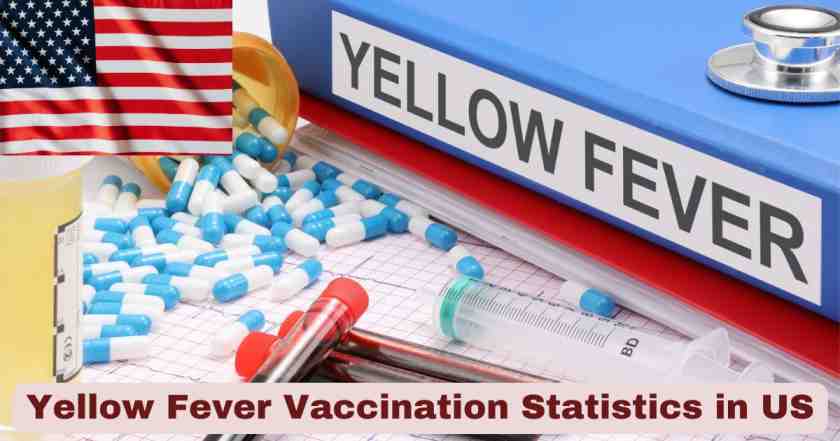
The landscape of yellow fever vaccination in the United States in 2025 reflects the country’s proactive approach to protecting travelers venturing into endemic regions. While yellow fever remains absent from domestic US soil, the nation maintains a robust vaccination infrastructure designed specifically for international travelers and laboratory personnel. The US government, through the Centers for Disease Control and Prevention, has established a comprehensive network of authorized vaccination centers across all states and territories, ensuring accessibility for Americans planning trips to South America and Africa where the disease poses significant health risks.
Throughout 2025, the yellow fever vaccination framework in America has evolved to address the concerning surge of cases reported in the Americas region, particularly in Brazil, Colombia, Peru, Bolivia, and Ecuador. With 212 confirmed yellow fever cases and 85 deaths documented in these countries between December 2024 and April 2025, representing a threefold increase from the previous year, US health authorities have intensified efforts to educate travelers about vaccination requirements. The single-dose YF-VAX vaccine, manufactured by Sanofi Pasteur and licensed exclusively for use in the United States, remains the cornerstone of prevention, offering lifelong protection for most recipients and serving as an essential prerequisite for entry into numerous countries with mandatory vaccination policies.
Interesting Yellow Fever Vaccination Facts in US 2025
| Fact Category | Statistical Data | Details |
|---|---|---|
| Vaccine Availability | Available at designated clinics nationwide | Only administered at CDC-authorized yellow fever vaccination centers across all 50 states |
| Licensed Vaccine | 1 FDA-approved vaccine | YF-VAX by Sanofi Pasteur is the sole yellow fever vaccine licensed in the United States (BL 103915) |
| Global Distribution | 850 million doses distributed worldwide | The 17D yellow fever vaccine has been distributed globally since its approval in 1938 |
| Vaccine Efficacy | 90% protection rate | Single vaccination provides protection and sustained immunity in approximately 90% of recipients |
| Lifetime Protection | 1 dose for life | Since 2015, CDC recommends a single dose provides lifelong protection for most travelers |
| Certificate Validity | Valid 10 days post-vaccination | International Certificate of Vaccination or Prophylaxis becomes valid 10 days after vaccination |
| Minimum Age | 9 months old | Vaccine recommended for travelers aged 9 months or older visiting endemic areas |
| Average Cost Range | $140 to $379 per dose | Vaccine costs vary by provider, with retail prices averaging $220 to $287 in 2025 |
| Countries Requiring Proof | 20 countries mandate vaccination | Twenty countries require US travelers to show proof of yellow fever vaccination for entry |
| Adverse Event Rate (Neurologic) | 0.8 per 100,000 doses | Yellow fever vaccine-associated neurologic disease occurs in 0.8 per 100,000 doses administered |
| Adverse Event Rate (Age 60+) | 2.2 per 100,000 doses | Individuals aged 60 years or older face higher neurologic adverse event rates at 2.2 per 100,000 doses |
| Emergency Stockpile | 6 million doses | Global yellow fever vaccine emergency reserve funded by GAVI and managed internationally |
Data source: CDC Yellow Book 2026, Sanofi Pasteur Product Information, WHO Yellow Fever Guidelines, Vax-Before-Travel Database 2025
Understanding these yellow fever vaccination statistics in the US in 2025 reveals the vaccine’s critical role in international travel medicine. The fact that a single dose provides lifelong immunity represents a significant advancement from pre-2016 recommendations that required booster shots every ten years. This policy change, implemented by the Advisory Committee on Immunization Practices in February 2015, followed extensive research analyzing decades of vaccine data demonstrating sustained antibody protection. However, specific populations including laboratory workers handling wild-type yellow fever virus, travelers to areas with ongoing outbreaks, and persons who received hematopoietic stem cell transplants may still require additional doses based on individual risk assessment.
The cost structure for yellow fever vaccination in 2025 presents considerable variation across different provider types, ranging from $140 at public health departments to $379 at specialized travel clinics. This price differential reflects factors including overhead costs, geographic location, and whether facilities operate within the public health sector with access to reduced vaccine pricing. Notably, most health insurance plans do not cover travel vaccines since yellow fever is not endemic to the United States and falls outside routine immunization schedules, meaning travelers typically bear the full financial responsibility. The vaccine’s 90% efficacy rate combined with its safety profile makes it one of the most effective preventive measures available, though serious adverse events including yellow fever vaccine-associated viscerotropic disease and neurologic disease remain rare but documented risks requiring careful contraindication screening before administration.
Yellow Fever Vaccination Centers in US 2025
| State/Territory | Authorized Centers | Primary Service Locations | Certification Requirements |
|---|---|---|---|
| All 50 States | Designated clinics nationwide | Travel medicine clinics, pharmacies, county health departments | State-issued Uniform Stamp authorization required |
| Texas | Multiple authorized sites | Travel clinics, hospital travel medicine departments | Texas DSHS Uniform Stamp, annual renewal mandatory |
| California | Numerous authorized providers | Major city travel clinics, university health centers | State health department authorization |
| Florida | Widespread availability | Walgreens pharmacies, Passport Health locations | State authorization, CDC registry listing |
| New York | Extensive network | Travel health facilities, hospital-affiliated clinics | State licensure required for vaccine administration |
Data source: CDC Yellow Fever Vaccination Clinic Registry, State Health Departments 2025
The distribution of yellow fever vaccination centers across the United States in 2025 ensures geographic accessibility for travelers regardless of their location. Every state maintains designated facilities authorized to administer the vaccine and issue the International Certificate of Vaccination or Prophylaxis, commonly referred to as the “yellow card.” These certificates serve as official proof of vaccination required by countries with mandatory entry requirements. The CDC maintains a comprehensive online registry where travelers can search for authorized clinics by ZIP code, ensuring convenient access to vaccination services. Authorization requires physicians to obtain a Uniform Stamp from their state or territorial health department, which validates the International Certificate of Vaccination or Prophylaxis and confirms the provider’s credentials to administer this specialized travel vaccine.
The certification process for yellow fever vaccination providers in the US in 2025 involves stringent regulatory oversight. In Texas, for example, the Department of State Health Services requires physicians to submit a completed Uniform Stamp Application Form and annual renewal documentation to maintain authorization. Each vaccination center must be registered with the manufacturer to order vaccine supplies, and address changes must be reported promptly to avoid disruptions in vaccine availability. This regulatory framework ensures quality control and traceability throughout the vaccination process. Designated clinics range from large travel medicine chains like Passport Health to individual pharmacies, county health departments, and university-affiliated medical centers, providing diverse options for travelers seeking vaccination services with varying cost structures and appointment availability.
Yellow Fever Vaccine Efficacy and Protection in US 2025
| Efficacy Metric | Statistical Value | Population Studied | Duration of Protection |
|---|---|---|---|
| Seroprotection Rate (Healthy Adults) | 94% (95% CI: 86-99%) | Healthy adults in non-endemic settings | 10+ years post-vaccination |
| Seroprotection Rate (Endemic Areas) | 76% (95% CI: 65-85%) | Brazilian population studies | 10+ years post-vaccination |
| Overall Protection | 90% of vaccinated individuals | General traveler population | Lifetime for most recipients |
| Immunity Development Time | 10 days to full protection | All vaccine recipients | Protection begins within 10 days |
| Seroconversion Rate | 99% within 1 month | First-time vaccine recipients | Within 28-30 days of vaccination |
| Booster Necessity | Not required for most travelers | General healthy adult population | Single lifetime dose sufficient |
| Fractional Dose Efficacy | 500 IU non-inferior to 13,803 IU | Clinical trial participants 2025 | Equivalent seroconversion rates |
Data source: The Lancet Global Health 2024, New England Journal of Medicine 2025, CDC ACIP Recommendations
The remarkable efficacy of yellow fever vaccination demonstrated in 2025 underscores why health authorities classify it as one of the most effective immunizations available for travelers. Research published in The Lancet Global Health in January 2024 provided comprehensive evidence that a single vaccination dose delivers lifelong protection for the vast majority of healthy travelers. The meta-analysis revealed that 94% of healthy adults maintained protective antibody levels ten or more years following vaccination when studied in non-endemic settings. This robust immune response explains why the World Health Organization amended International Health Regulations in July 2016 to recognize completed International Certificates of Vaccination or Prophylaxis as valid for the lifetime of the vaccinee, eliminating previous requirements for booster doses every decade.
However, the yellow fever vaccine efficacy in specific populations in 2025 requires nuanced interpretation. While healthy adults demonstrate excellent long-term immunity, certain groups show lower seroprotection rates. People living with HIV and children younger than two years exhibit reduced antibody persistence, with only 76% seroprotection in endemic settings after ten years. These populations may benefit from booster doses when traveling to high-risk areas or during active outbreak periods. Additionally, groundbreaking research published in the New England Journal of Medicine in February 2025 demonstrated that fractional doses as low as 500 IU produced seroconversion rates equivalent to the standard 13,803 IU dose within 28 days, offering potential solutions for vaccine shortage scenarios and expanding global vaccination capacity during outbreak responses in resource-limited settings.
Yellow Fever Vaccine Cost and Accessibility in US 2025
| Provider Type | Average Cost Range | Insurance Coverage | Additional Fees |
|---|---|---|---|
| Public Health Departments | $140 – $200 | Rarely covered | May include consultation fee |
| Retail Pharmacies (Walgreens) | $196 – $250 | Some plans partially cover | No additional consultation |
| Travel Medicine Clinics | $220 – $350 | Usually not covered | $40 – $70 consultation fee |
| Passport Health Locations | $250 – $350 | Not typically covered | Includes comprehensive travel consultation |
| University Health Centers | $157 – $264 | Student health plans may cover | Reduced rates for students |
| San Francisco AITC | $264 per dose | Not covered for travel | $70 travel health visit fee |
| GoodRx Coupon Price | $252.73 (12% discount) | N/A (cash payment) | Discount card required |
| SingleCare Discount | $258.54 | N/A (savings card) | From $379.06 retail price |
Data source: GoodRx 2025, BetterCare Cost Analysis, Individual Clinic Pricing Data, UNICEF Supply Division
The financial landscape of yellow fever vaccination costs in the United States in 2025 presents significant variability based on provider type and geographic location. Travelers face out-of-pocket expenses ranging from $140 to $379 per dose, with most health insurance plans excluding coverage because yellow fever vaccination is classified as a travel-related preventive service rather than a routine immunization. Public health departments and facilities affiliated with medical schools generally offer lower pricing due to reduced overhead costs and access to government-subsidized vaccine procurement channels. In contrast, private travel medicine clinics operating as independent businesses charge premium rates that reflect comprehensive pre-travel consultations, convenient scheduling, and concierge-level service delivery.
Geographic location substantially influences yellow fever vaccine pricing in 2025, with metropolitan areas commanding higher fees than rural regions. For example, San Francisco’s Airport Immunization and Travel Clinic charges $264 per dose plus a $70 travel health visit fee, while county health departments in Florida report prices around $221. Smart consumers can leverage discount programs like GoodRx coupons to reduce the average retail price of $286.80 down to $252.73, representing a 12% savings. Some warehouse retailers like Costco offer lower vaccine costs through their pharmacy services, particularly when combined with insurance coverage for related travel health consultations. Medicare has demonstrated willingness to cover yellow fever vaccination in select cases, though most private insurance plans maintain exclusions requiring travelers to budget the full vaccine cost when planning international trips to endemic regions.
Yellow Fever Vaccine Safety and Adverse Events in US 2025
| Adverse Event Type | Incidence Rate | At-Risk Population | Severity Level |
|---|---|---|---|
| Mild Side Effects | 71.9% experience minor reactions | General vaccinated population | Injection site pain, headache, muscle aches |
| Severe Local Reactions | 4 cases per clinical trial | Clinical study participants | Significant injection site reactions |
| Neurologic Disease (YEL-AND) | 0.8 per 100,000 doses | General U.S. population | Meningoencephalitis, Guillain-Barré syndrome |
| Neurologic Disease (Age 60+) | 2.2 per 100,000 doses | Elderly population | Increased neurologic risk |
| Neurologic Disease (Infants) | 50–400 per 100,000 doses | Infants under 6 months | Contraindicated age group |
| Viscerotropic Disease (YEL-AVD) | Rare but severe | First-time vaccine recipients | Multi-organ dysfunction, high fatality |
| Anaphylaxis | Very rare | Individuals with egg/gelatin allergy | Life-threatening allergic reaction |
| Rash / Urticaria | 3.2% of vaccinated individuals | General population | Usually mild and self-limiting |
Data source: FDA YF-VAX Product Information April 2025, CDC Vaccine Adverse Events Reporting System, Clinical Trial Data
Understanding yellow fever vaccine safety profiles in 2025 requires balancing the documented adverse event risks against the potentially fatal consequences of yellow fever infection in unvaccinated travelers. The majority of vaccine recipients experience only mild reactions, with 71.9% reporting non-serious adverse events judged related to vaccination in clinical studies. These typically include injection site reactions of mild to moderate severity, headaches, muscle pain, and low-grade fevers that resolve within a few days without medical intervention. However, the vaccine’s live-attenuated nature necessitates careful screening for contraindications before administration, as certain populations face substantially elevated risks for serious complications.
Yellow fever vaccine-associated neurologic disease (YEL-AND) in the US in 2025 represents one of the primary serious adverse events requiring vigilant monitoring. This collection of neurological syndromes, including acute disseminated encephalomyelitis, Guillain-Barré syndrome, and meningoencephalitis, occurs at a rate of 0.8 per 100,000 doses in the general population but increases to 2.2 per 100,000 doses among individuals aged 60 years or older. The mechanism behind age-related increased susceptibility remains under investigation, but the Advisory Committee on Immunization Practices classifies advanced age as a precaution requiring healthcare providers to conduct thorough risk-benefit assessments before vaccination. Infants under six months face the highest risk, with YEL-AND occurring at rates of 50 to 400 per 100,000 vaccinations, making this age group an absolute contraindication for yellow fever vaccine administration under current US guidelines.
Yellow Fever Vaccine Contraindications and Precautions in US 2025
| Contraindication Category | Specific Conditions | Risk Level | Alternative Options |
|---|---|---|---|
| Age Restrictions | Infants under 6 months old | Absolute contraindication | Postpone travel or obtain medical waiver |
| Immune Disorders | Thymus disorders, immunodeficiency | Absolute contraindication | Medical waiver, mosquito bite prevention only |
| Immunosuppression | Chemotherapy, organ transplant recipients | Absolute contraindication | Avoid travel to endemic areas if possible |
| Severe Allergies | Eggs, chicken proteins, gelatin | Absolute contraindication | Medical waiver documentation required |
| HIV Infection (Symptomatic) | CD4+ count < 200/mm³ | Absolute contraindication | Comprehensive travel risk counseling |
| Advanced Age Precaution | 60 years |
Data source: CDC Yellow Book 2026, ACIP Yellow Fever Vaccine Recommendations, FDA Product Labeling
The comprehensive system of yellow fever vaccine contraindications in the United States in 2025 reflects decades of safety surveillance and adverse event analysis. Healthcare providers must meticulously evaluate each traveler’s medical history before vaccine administration, as absolute contraindications represent conditions where vaccination risk substantially outweighs potential benefits. Infants under six months face the highest documented risk of vaccine-associated neurologic disease, with rates of 50 to 400 cases per 100,000 doses administered, making vaccination in this age group strictly prohibited. The immature blood-brain barrier, prolonged viremia, and developing immune system in young infants create conditions favorable for vaccine virus neurotropism, leading to potentially severe neurological complications.
Immunocompromised populations in 2025 represent another critical contraindication category requiring careful attention. Individuals with thymus disorders associated with abnormal immune function such as myasthenia gravis or thymoma cannot receive the live-attenuated yellow fever vaccine due to their compromised ability to control vaccine virus replication. Similarly, organ transplant recipients, patients undergoing chemotherapy for malignant neoplasms, and people receiving immunosuppressive therapies face absolute contraindications. For travelers with HIV infection, the vaccination decision depends on disease status and CD4+ T-lymphocyte counts. Symptomatic HIV infection or CD4+ counts below 200 cells per cubic millimeter constitute absolute contraindications, while asymptomatic patients with counts between 200 and 499 cells per cubic millimeter may receive vaccination under medical supervision as a precautionary measure, with healthcare providers weighing individual travel risks against potential vaccine complications.
International Travel Requirements for Yellow Fever Vaccination in US 2025
| Requirement Type | Number of Countries | Documentation Needed | Validity Period |
|---|---|---|---|
| Mandatory for All Travelers | 20 countries | International Certificate of Vaccination or Prophylaxis (ICVP) | Lifetime of vaccinee |
| Required from Endemic Countries | Additional countries | ICVP showing vaccination history | Valid 10 days after vaccination |
| CDC Recommended (Not Required) | Multiple countries | Vaccination advised, not mandatory | Not applicable for entry |
| Certificate Activation Period | All requiring countries | 10-day waiting period after vaccination | Becomes valid on day 11 |
| Medical Waiver Alternative | Countries accepting waivers | Official exemption letter from provider | Must be issued before departure |
| Airport Transit Requirements | Select countries | ICVP required for layovers over 12 hours | Same as entry requirements |
Data source: WHO International Health Regulations 2025, CDC Travelers’ Health Country Requirements, PAHO Guidelines
Navigating international yellow fever vaccination requirements for US travelers in 2025 demands careful attention to destination-specific entry policies that vary significantly across countries. Twenty nations mandate proof of yellow fever vaccination for all arriving travelers from the United States, regardless of whether they have recently visited endemic areas. These requirements exist under International Health Regulations provisions that permit countries to establish vaccination entry requirements as measures to prevent yellow fever virus importation and potential establishment of transmission cycles within their boundaries. The International Certificate of Vaccination or Prophylaxis serves as the universally recognized documentation, and since the 2016 WHO amendment to International Health Regulations, completed certificates remain valid for the lifetime of the vaccinee without requiring booster dose documentation.
The critical 10-day activation period for yellow fever certificates in 2025 represents an essential planning consideration for US travelers. After receiving the vaccination, the International Certificate of Vaccination or Prophylaxis becomes officially valid on the eleventh day post-immunization, meaning travelers must schedule vaccination at least ten days before departure to comply with entry requirements. Arriving at destinations requiring proof of vaccination without valid documentation or an official medical waiver exposes travelers to potential consequences including entry denial, mandatory quarantine for up to six days, or forced vaccination administration at the port of entry. Healthcare providers authorized to administer yellow fever vaccine can issue medical waivers for individuals with absolute contraindications or precautions who must travel despite vaccination being medically inadvisable, though these waivers should be obtained before departure and accompanied by comprehensive mosquito bite prevention counseling.
Yellow Fever Vaccine for US Travelers to Americas in 2025
| Affected Country | Confirmed Cases (2025) | Deaths Reported (2025) | Case Fatality Rate | Vaccination Status of Cases |
|---|---|---|---|---|
| Brazil | 110 cases | 44 deaths | 40% | Only 1 case had documented vaccination |
| Colombia | 60 cases | 24 deaths | 40% | Most cases unvaccinated |
| Peru | 35 cases | 12 deaths | 34% | Primarily unvaccinated individuals |
| Bolivia | 3 cases | 1 death | 33% | Unvaccinated travelers |
| Ecuador | 4 cases | 4 deaths | 100% | All reported cases were fatal |
| Total Americas (2025) | 212 cases | 85 deaths | 40% overall | Vast majority unvaccinated |
| Americas (2024 – comparison) | 61 cases | 30 deaths | 49% | Most cases unvaccinated |
Data source: WHO Disease Outbreak News May 2025, PAHO Epidemiological Alert February 2025, Country Ministry of Health Reports
The alarming surge of yellow fever cases in the Americas region in 2025 has prompted urgent advisories from the Pan American Health Organization and the World Health Organization, with confirmed cases reaching 212 individuals and 85 deaths between December 2024 and April 2025. This represents a threefold increase compared to the 61 confirmed cases reported throughout 2024, signaling a significant escalation in yellow fever transmission across South American countries. Brazil bears the heaviest burden with 110 confirmed cases including 44 fatalities, primarily concentrated in the states of São Paulo, Pará, and Minas Gerais. The geographic distribution of cases has shifted from traditional Amazon Basin regions to areas previously considered lower risk, including urban-adjacent zones where human populations have increased exposure to sylvatic transmission cycles.
The devastating 40% case fatality rate across the Americas in 2025 underscores the critical importance of yellow fever vaccination for US travelers planning trips to affected countries. Analysis of victim vaccination status reveals that the vast majority of fatal cases occurred in unvaccinated individuals, with Brazilian authorities reporting that only one case out of 110 had documented proof of prior yellow fever vaccination. This stark statistic demonstrates the vaccine’s protective efficacy in real-world outbreak settings. US travelers heading to Brazil, Colombia, Peru, Bolivia, or Ecuador during 2025 must prioritize vaccination at least ten days before departure, with travel medicine specialists noting that males aged 10 to 75 years with occupational or recreational exposure to wild and forested areas face particularly elevated risk. The Centers for Disease Control and Prevention has intensified traveler education efforts, emphasizing that vaccination remains the single most effective preventive measure against this potentially fatal disease.
Yellow Fever Vaccination Recommendations for Special Populations in US 2025
| Population Group | Vaccination Status | Special Considerations | CDC Guidance |
|---|---|---|---|
| Pregnant Women | Precaution | Risk–benefit assessment required | Vaccinate only if travel to outbreak areas is unavoidable |
| Breastfeeding Mothers | Precaution | Vaccine virus may be detected in breast milk | Avoid vaccination unless travel is essential |
| Adults 60+ Years | Precaution | Higher adverse event risk (2.2 per 100,000 doses) | Conduct thorough risk assessment before vaccination |
| Infants 6–8 Months | Precaution | Not routinely recommended | Vaccinate only if travel cannot be postponed |
| Infants 9+ Months | Recommended if traveling | Standard minimum age for vaccination | Full-dose vaccination for travel to endemic areas |
| Laboratory Workers | Recommended | Occupational exposure risk | Booster may be required after 10 years |
| Immunocompromised (Mild) | Individual assessment | Depends on immune status | Evaluate CD4+ count and disease activity |
| Stem Cell Transplant Recipients | May need booster | Prior vaccination may not provide protection | Revaccinate after immune reconstitution |
Data source: CDC ACIP Recommendations 2025, FDA Yellow Fever Vaccine Prescribing Information, Clinical Practice Guidelines
Managing yellow fever vaccination in special populations in the United States in 2025 requires nuanced clinical decision-making that balances individual risk factors against travel necessity and destination infection risks. Pregnancy represents a complex precautionary situation where the theoretical risk of transplacental vaccine virus transmission must be weighed against the 40% case fatality rate documented in current South American outbreaks. Research from Trinidad involving pregnant women who received vaccination found one infant with positive IgM antibodies in cord blood, suggesting transplacental infection occurred, though the infant appeared normal at delivery with no subsequent adverse sequelae reported. Healthcare providers counsel pregnant women that vaccination should only proceed when travel to areas with active yellow fever outbreaks is unavoidable and cannot be deferred until after delivery.
Advanced age considerations for yellow fever vaccination in 2025 have gained prominence following surveillance data showing individuals aged 60 years or older face elevated risks for vaccine-associated neurologic disease, with incidence rates of 2.2 per 100,000 doses compared to 0.8 per 100,000 in younger adults. This age group requires comprehensive pre-vaccination health risk assessments weighing factors including destination-specific yellow fever transmission intensity, planned activities and exposures, duration of travel, and individual comorbidities that might increase susceptibility to adverse events. Despite the slightly elevated risk, many older travelers safely receive vaccination when traveling to high-risk areas during peak transmission seasons. Laboratory workers who routinely handle wild-type yellow fever virus represent another special population potentially requiring booster doses after ten years, as their ongoing occupational exposure warrants maintained peak immunity levels even though most travelers need only a single lifetime dose under current recommendations.
Yellow Fever Vaccine Development and Future Directions in US 2025
| Vaccine Candidate | Development Stage | Manufacturer / Developer | Key Innovation |
|---|---|---|---|
| 17D Vaccine (Current Standard) | Licensed since 1938 | Sanofi Pasteur (YF-VAX) | Live-attenuated vaccine providing a single lifetime dose |
| vYF-247 Candidate | Phase I completed | Sanofi Pasteur | Vero cell–adapted, serum-free manufacturing process |
| SII Yellow Fever Vaccine | Phase I evaluation | Serum Institute of India | Uses 17D-213 strain; evaluated for IM and SC administration |
| Vax-002 Inactivated Vaccine | Phase clinical research | Najít Technologies with NIH | Novel inactivated (non-live) vaccine formulation |
| Fractional Dose Strategy | Implemented in emergencies | WHO-prequalified manufacturers | 500 IU dose shown to be non-inferior to standard dose |
| Stamaril | Internationally licensed | Sanofi Pasteur | Alternative yellow fever vaccine available in ~40 countries |
Data source: Clinical Trial Registries 2025, WHO Prequalification Database, Vaccine Development Pipeline Reports
The evolution of yellow fever vaccine technology in 2025 builds upon the remarkably successful foundation of the 17D live-attenuated vaccine that has protected travelers since 1938, with approximately 850 million doses distributed globally since its authorization. Current development efforts focus on addressing limitations of the existing vaccine including its requirement for cold chain storage, production in embryonated chicken eggs that complicates manufacturing and creates allergy concerns, and rare but serious adverse events in certain populations. Sanofi Pasteur’s vYF-247 vaccine candidate represents a significant technological advancement, utilizing Vero cell line production in serum-free conditions that could improve manufacturing scalability and eliminate egg protein allergen concerns. Phase I clinical trial results published in 2025 demonstrated that vYF-247 exhibited optimal viremia patterns, excellent safety profiles, and immunogenicity comparable to licensed YF-VAX vaccine, leading to its selection for continued development toward regulatory approval.
Fractional dose yellow fever vaccination strategies in 2025 have emerged as critical tools for outbreak response and vaccine shortage scenarios. Groundbreaking research published in the New England Journal of Medicine in February 2025 conclusively demonstrated that doses as low as 500 International Units produced seroconversion rates non-inferior to the standard 13,803 IU dose within 28 days of administration. This finding validates fractional dosing protocols already implemented during emergency mass vaccination campaigns in Africa, where stretching limited vaccine stockpiles over larger populations becomes essential for outbreak control. The WHO currently maintains an emergency yellow fever vaccine stockpile of six million doses funded by GAVI and managed by the International Coordinating Group on Vaccine Provision, though the 212 confirmed cases reported in the Americas in early 2025 underscore the ongoing need for expanded production capacity and innovative delivery strategies to protect vulnerable populations in endemic regions and prevent international disease spread.
Yellow Fever Vaccination and US Laboratory Workers in 2025
| Worker Category | Vaccination Requirement | Booster Recommendations | Safety Protocols |
|---|---|---|---|
| Laboratory Personnel (Wild-Type Virus) | Mandatory vaccination | Consider booster after 10 years | Biosafety Level 3 containment |
| Research Scientists | Required for virus handling | Individual risk assessment | Annual serology testing optional |
| Diagnostic Laboratory Staff | Required if handling specimens | Booster for continued exposure | Post-exposure monitoring protocols |
| Animal Care Workers | Required in endemic research | Same as laboratory personnel | Protective equipment mandatory |
| Vaccine Production Workers | Required for all staff | Periodic immunity assessment | Occupational health monitoring |
Data source: CDC Laboratory Safety Guidelines 2025, ACIP Laboratory Worker Recommendations, Occupational Health Standards
The specialized requirements for yellow fever vaccination among US laboratory workers in 2025 reflect the occupational hazards associated with handling wild-type yellow fever virus in research and diagnostic settings. Unlike travelers who typically need only a single lifetime vaccine dose, laboratory personnel who routinely work with yellow fever virus may require booster vaccinations after ten years to maintain optimal protective immunity levels. This recommendation stems from the continuous nature of their potential exposure and the catastrophic consequences of laboratory-acquired infections. Facilities conducting yellow fever research must operate under Biosafety Level 3 containment protocols with rigorous safety measures including negative pressure rooms, high-efficiency particulate air filtration, and comprehensive personal protective equipment requirements to minimize infection risks.
Laboratory-acquired yellow fever infections in the United States, while extremely rare, have been documented in historical records, underscoring the importance of vaccination programs for research personnel. Workers in vaccine production facilities face similar occupational exposure risks when handling live-attenuated vaccine strains during manufacturing processes. These employees undergo mandatory vaccination before beginning work assignments and participate in occupational health monitoring programs that may include periodic serology testing to verify maintained immunity. The Advisory Committee on Immunization Practices specifically addresses laboratory workers in its recommendations, distinguishing their needs from general traveler populations and emphasizing that continued virus handling warrants more conservative approaches to booster dose timing and immunity verification protocols compared to the single-dose-for-life guidance applicable to most vaccinated individuals.
Yellow Fever Vaccination Certificate Requirements in US 2025
| Certificate Type | Issuing Authority | Documentation Details | International Recognition |
|---|---|---|---|
| International Certificate of Vaccination or Prophylaxis (ICVP) | CDC-authorized providers only | Form CDC 731 (formerly PHS 731) | Valid in all WHO member states |
| Uniform Stamp Validation | State health department–issued stamps | Required to authenticate certificate | Cannot be issued without authorized stamp |
| Lifetime Validity | WHO amendment (July 2016) | No expiration date on certificate | Valid for life of vaccinee |
| 10-Day Activation Period | All certificates | Becomes valid on the 11th day after vaccination | Universal international requirement |
| Medical Waiver Letter | Authorized yellow fever vaccine providers | Official medical exemption documentation | Accepted by most countries |
| Replacement Certificates | Original issuing provider | Lost certificates must be reissued | Replacement fees may apply |
Data source: WHO International Health Regulations 2025, CDC Certificate Guidelines, Country Entry Requirement Database
The International Certificate of Vaccination or Prophylaxis (ICVP) in 2025 serves as the globally recognized documentation proving yellow fever vaccination status for international travel. In the United States, only healthcare providers authorized by their state or territorial health departments can issue these certificates, which are printed on distinctive yellow paper and commonly referred to as “yellow cards.” The certificate must bear the official Uniform Stamp of the authorized vaccination center, which validates its authenticity and ensures international acceptance. Certificates issued without proper Uniform Stamp authentication face potential rejection at international borders, potentially resulting in entry denial, quarantine, or mandatory revaccination at the traveler’s destination port.
Disclaimer: The data research report we present here is based on information found from various sources. We are not liable for any financial loss, errors, or damages of any kind that may result from the use of the information herein. We acknowledge that though we try to report accurately, we cannot verify the absolute facts of everything that has been represented.