
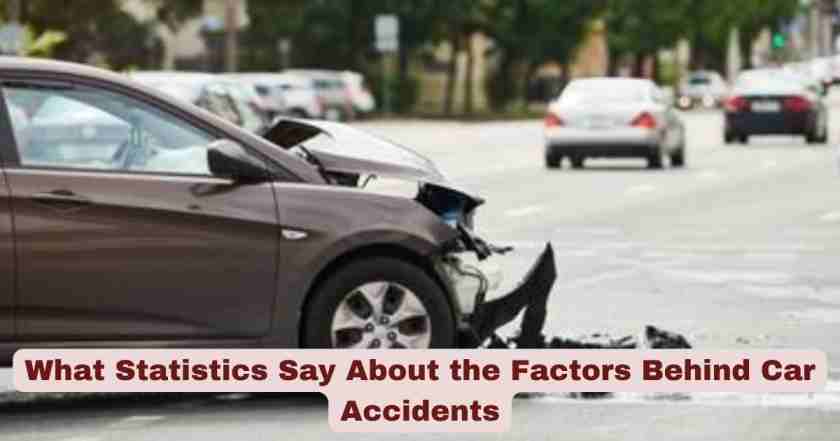
Car accidents rarely happen because of one single mistake. Statistics show that most crashes come from a mix of human behavior, road conditions, and vehicle issues—but human choices play the biggest role. Speeding, distracted driving, impaired driving, and failure to follow traffic rules consistently appear at the top of accident reports. In simple terms, what statistics say is clear: the way people drive matters more than anything else.
Every year, millions of crashes are recorded across the world. Behind each number is a pattern. Researchers and transportation agencies study these patterns to understand why accidents happen and how they can be prevented. When the data is analyzed, certain factors appear again and again—things like texting while driving, driving too fast for road conditions, or getting behind the wheel after drinking.
Looking closely at car accident statistics helps reveal these trends. The numbers don’t just count accidents; they show the habits and situations that make crashes more likely. By understanding what the data says, drivers, policymakers, and communities can make better decisions that lead to safer roads.
Key Factors Behind Car Accidents According to Statistics
Data from the National Highway Traffic Safety Administration (NHTSA) and the Centers for Disease Control and Prevention (CDC) show that most crashes link back to driver behavior. The numbers point to a few consistent causes.
1. Speeding
Speed remains one of the biggest contributors to fatal crashes. Higher speed reduces reaction time and increases crash force.
Example: A driver going 50 mph instead of 35 mph needs much more distance to stop. That difference can turn a near miss into a collision.
Most states enforce strict speed laws. For example, California Vehicle Code §22350 states: “No person shall drive a vehicle upon a highway at a speed greater than is reasonable or prudent.”
Speed limits matter because physics does not bend.
2. Distracted Driving
Phones are a major issue.
Thousands of people die in distracted-driving crashes every year. Texting is especially dangerous because it takes your eyes, hands, and mind off driving.
Common distractions include:
- Texting or messaging
- Using navigation apps
- Eating or drinking
- Adjusting music or controls
- Talking to passengers
Example: At 55 mph, you travel the length of a football field in about five seconds. That is the average time your eyes leave the road when texting.
Many states ban texting while driving. For instance, New York Vehicle & Traffic Law §1225-d prohibits using a handheld electronic device while driving.
3. Impaired Driving
Alcohol still plays a major role in deadly crashes.
Thousands of people die due to alcohol-related car crashes. That equals about one death every 42 minutes in the U.S.
Federal law sets the legal blood alcohol concentration (BAC) limit at 0.08% for drivers over 21.
Even below that level, alcohol affects:
- Reaction time
- Judgment
- Vision
- Coordination
4. Failure to Follow Traffic Rules
Many crashes happen because drivers ignore basic road rules.
Common violations include:
- Running red lights
- Failing to yield
- Unsafe lane changes
- Tailgating
Key Takeaways
- Human behavior causes most crashes. Data from the National Highway Traffic Safety Administration shows driver actions—speeding, distraction, and impairment—drive the majority of accidents.
- Speeding remains a top factor in crash fatalities.
- Distracted driving continues to rise.
- Alcohol-impaired driving still causes thousands of deaths.
- Traffic rule violations trigger many collisions. Running red lights, failing to yield, and unsafe lane changes remain common causes of crashes.
- Road safety laws target these behaviors. Laws banning texting while driving and enforcing speed limits exist because data shows they reduce crash risk.