
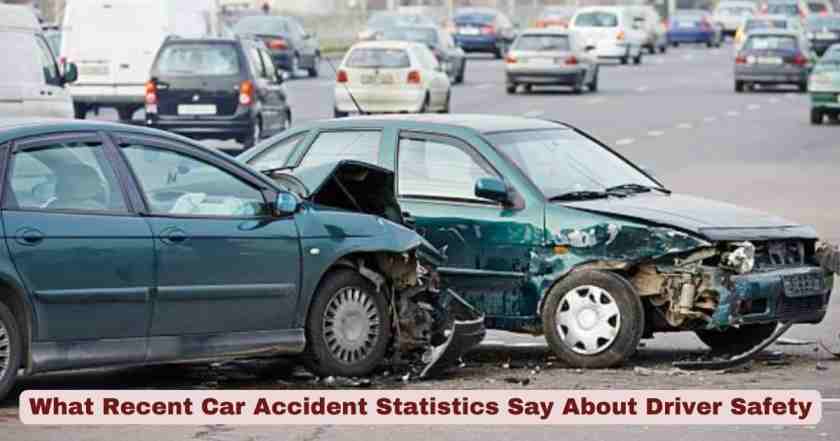
Car accidents continue to define major concerns for driver safety in the United States, with tens of thousands of people killed or injured each year. Despite years of technological advancements in vehicle safety and public awareness campaigns, roadway crashes remain one of the leading causes of unintentional injury and death nationwide.
Recent statistics show evolving trends that help us understand where progress is being made and where risks persist. One of the most striking findings from early 2025 data is a notable decline in traffic fatalities compared with previous years.
Reports from the National Highway Traffic Safety Administration (NHTSA) indicate that U.S. traffic deaths dropped by more than 8% during the first half of 2025. This represents the lowest mid-year fatality rate seen since 2014, even as more miles were traveled on American roads.
Still, the total number of traffic deaths remains high: estimates for recent years show around 39,000 deaths annually, signaling that significant safety challenges persist. These figures illustrate the vast scale of the problem and underscore the need for ongoing efforts in driver training, traffic law enforcement, and safety technology.
Key Causes and Risk Factors
Distracted driving remains one of the most pervasive safety issues on U.S. roads, contributing to thousands of deaths and hundreds of thousands of injuries each year. Using a mobile phone while driving dramatically increases the likelihood of a collision, with some studies showing crash risk rising by as much as 4 times when drivers engage with handheld devices.
Alcohol-impaired driving continues to be a major contributor to fatal crashes, causing around 30% of all U.S. traffic deaths. This highlights the enduring danger of impaired driving and the need for consistent enforcement of DUI laws and expanded public education campaigns.
Speeding is another leading factor, appearing in roughly 29% of fatal crashes and accounting for over 12,000 deaths in a recent year. Risk behaviors like aggressive driving, such as tailgating and road rage, further elevate crash risk and complicate efforts to protect drivers, passengers, and pedestrians alike.
Demographic and Behavioral Insights
Certain age groups face higher risks on the road, with young drivers aged 16 to 20 showing crash rates several times greater than those of older drivers. This reflects less experience and a propensity for risk-taking behaviors among teenage drivers.
Rural roads pose disproportionately high dangers, as drivers outside urban centers often encounter higher fatality rates per mile traveled. Factors like higher speeds, longer response times for emergency services, and fewer safety features contribute to these disparities.
Seat belt non-use also plays a critical role in injuries and deaths. Data suggests that not wearing a seat belt significantly increases the probability of fatal outcomes in crashes—despite widespread awareness of seat belt benefits.
Technological Advances and Safety Systems

Advances in vehicle safety systems, such as automatic emergency braking, lane-keeping assist, and adaptive cruise control, show promise in reducing crash severity and preventing some types of collisions. These systems are linked with lower rates of rear-end and intersection crashes, which remain common crash types.
Emerging autonomous and driver-assist technologies are also under study for their potential to improve safety outcomes. Early research indicates that fully autonomous systems, when widely adopted, could help reduce injury counts over time, but human oversight and regulation will continue to play key roles in how these technologies evolve.
Broader Impacts and Economic Costs
Beyond the tragic loss of life, traffic crashes also impose immense economic burdens on society. The costs of crashes, ranging from property damage and medical care to lost productivity are measured in the hundreds of billions of dollars annually. This highlights how crucial safer driving and accident prevention are not only for individuals but for the economy as a whole.
Efforts to lower crash rates must also include better infrastructure design, improved enforcement of traffic safety laws, and ongoing education for drivers of all ages. Only through a combination of technology, policy, and public engagement can the trend move decisively toward safer roads.
Final Key Takeaways
- U.S. traffic fatalities showed an encouraging decline in early 2025 but remain high overall.
- Distracted driving, alcohol impairment, and speeding are top contributors to crash deaths.
- Young and rural drivers face heightened risk, highlighting demographic safety disparities.
- Seat belt use and advanced safety systems significantly improve survival odds.
Economic costs of crashes underscore the broader societal impact beyond human loss.