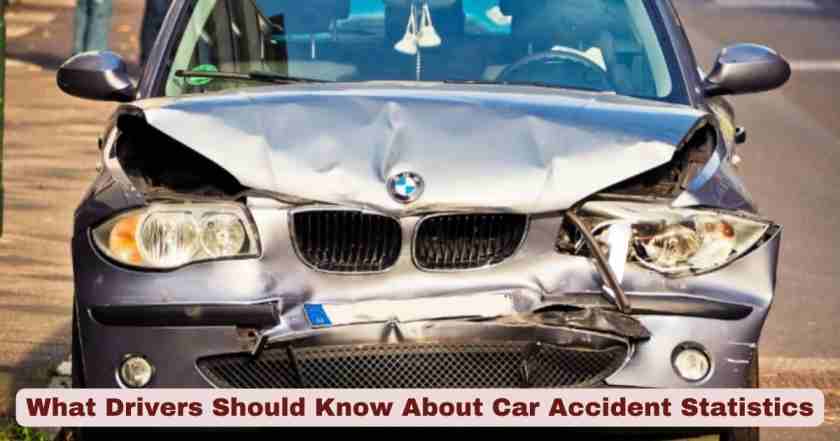
Car accidents happen more often than many drivers realize. Understanding car accident statistics, such as how often crashes occur, where they happen, and what causes them, can help drivers make safer choices on the road. When you know the risks, you’re more likely to spot danger early and adjust your driving habits.
Being informed also helps after an accident. Knowing what typically leads to crashes and understanding the right steps to take afterward can reduce stress, improve safety, and help you respond calmly and correctly in the moment.
Below is what drivers should know about car accident statistics and why they matter:
1. Accident Frequency and Common Causes
Car accident data consistently shows that most crashes are preventable. Speeding, distracted driving (like texting or using apps), driving under the influence, and ignoring traffic signals are among the most common causes.
Understanding these patterns highlights how small choices, such as putting your phone away, following speed limits, and giving yourself extra travel time, can greatly reduce your risk. Awareness turns statistics into practical habits that keep you and others safer.
2. High-Risk Locations
Certain locations are more prone to accidents due to traffic flow and road design. Busy intersections, highway merge points, sharp curves, and poorly lit streets are common trouble spots. When drivers know these areas are risky, they’re more likely to slow down, stay alert, and anticipate sudden stops or lane changes.
This knowledge also helps with smarter route planning, allowing you to avoid dangerous roads when possible. Being cautious in these areas can significantly reduce your chances of being involved in a crash.
3. Time and Day Patterns
Accident rates spike during specific times of the day and week. Rush hours are risky because of heavy traffic, stress, and aggressive driving, while late-night driving increases danger due to fatigue and limited visibility.
Weekends and holidays often see more crashes as well, especially when alcohol is involved. Knowing these trends allows drivers to plan trips during safer hours or be extra cautious during high-risk times. Timing your travel wisely can be just as important as how you drive.
4. Driver Demographics
Crash data shows patterns across age groups. Younger drivers are more likely to take risks or be distracted, while older drivers may experience slower reaction times or difficulty driving at night.
Recognizing these trends encourages all drivers to practice defensive driving, keeping a safe distance, watching for unpredictable behavior, and avoiding assumptions about other drivers on the road. Awareness of who you’re sharing the road with helps you respond more safely.
5. Weather and Road Conditions
Weather plays a major role in traffic safety. Rain, fog, snow, and ice reduce visibility and traction, increasing the chance of crashes. Poor road conditions, such as potholes, construction zones, or uneven pavement, add to the risk.
Drivers who adjust their speed, increase following distance, and check conditions before heading out are far better prepared to avoid accidents. Small adjustments in bad conditions can prevent serious collisions.
6. Injury and Fatality Trends
Accident statistics also reveal what reduces the severity of injuries when crashes occur. Seat belts, airbags, modern safety features, and responsible driving significantly lower the risk of serious harm or death.
These insights reinforce the importance of wearing seat belts at all times, keeping your vehicle well maintained, and choosing safer driving behaviors. Following these proven safety measures can make a critical difference in an emergency.
Conclusion
Car accident statistics aren’t just numbers; they reveal real risks drivers face every day. From common causes like speeding and distraction to dangerous locations and high-risk times, these trends offer valuable lessons.
By understanding this data, drivers can plan better, drive more defensively, and respond more effectively to hazards. Staying informed helps protect not only you, but also your passengers and everyone else on the road, creating a safer driving environment for all.