Motorcycle crashes in Jacksonville can happen because of distracted driving, speeding, poor visibility, unsafe lane changes, road conditions, and other hazards. Jacksonville is Florida’s largest city by area and has a wide network of highways, major roads, bridges, and busy intersections connecting neighborhoods throughout the region.
The city’s warm climate also means motorcycles are commonly seen on local roads throughout much of the year. Looking at motorcycle accident statistics can help show why riders and other motorists need to understand the risks and take safety seriously.
Why Jacksonville Roads Can Be Challenging for Motorcyclists
Jacksonville has a combination of urban streets, high-speed roads, highways, and heavily traveled corridors. Motorcyclists can encounter changing traffic conditions within a short distance.
A rider may move from a relatively quiet neighborhood road onto a busy multi-lane roadway where vehicles travel at significantly higher speeds. These differences can create additional risks when drivers are not paying attention.
Motorcycles are also smaller than passenger vehicles, which can make them harder for other motorists to notice.
Drivers Failing to See Motorcycles
One of the most common dangers for motorcyclists is visibility.
A driver checking mirrors or looking for a vehicle may fail to notice a motorcycle because of its smaller size. This can become especially dangerous when a driver changes lanes, turns left, or enters an intersection.
A motorcyclist may have little time to react when another vehicle suddenly moves into their path.
Speeding Can Make Motorcycle Crashes More Severe
Speed is another major factor in serious motorcycle collisions.
A speeding driver has less time to identify a motorcycle and react to its movements. Higher speeds also increase the force involved in a collision.
For motorcyclists, the consequences can be particularly serious because riders do not have the same physical protection provided by a passenger vehicle’s frame, airbags, and other safety structures.
Following speed limits and leaving adequate space between vehicles can reduce the risk of a severe crash.
Distracted Driving Creates Serious Risks
Distracted driving can take a driver’s attention away from the road for several seconds.
Looking at a phone, adjusting a navigation system, eating, or focusing on another activity can prevent a driver from noticing a motorcycle nearby.
A few seconds of inattention can be enough to cause a lane-change collision or intersection crash.
Motorcyclists should also avoid distractions and keep their attention focused on traffic and road conditions.
Lane Changes Can Put Riders in Danger
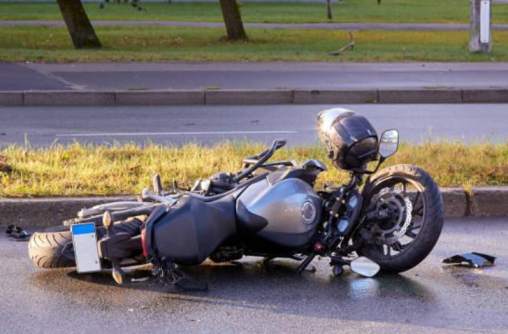
Unsafe lane changes are particularly concerning for motorcycle riders.
A driver may check one mirror but fail to identify a motorcycle in another area around the vehicle. Blind spots can make this problem worse.
Drivers should check mirrors and blind spots carefully before changing lanes and should use turn signals early enough to give other road users time to respond.
Motorcyclists can reduce their risk by avoiding prolonged travel in another vehicle’s blind spot when possible.
Intersections Are Common Conflict Points
Intersections bring together vehicles traveling in different directions, pedestrians, cyclists, and turning traffic.
Left-turning vehicles can be especially dangerous for motorcycles traveling straight through an intersection. A driver may misjudge the motorcycle’s distance or fail to see it altogether.
Riders should approach intersections cautiously, watch for vehicles preparing to turn, and be prepared for another driver to make an unexpected move.
Road Conditions Can Increase the Risk
Motorcycles can be more affected by certain road hazards than larger vehicles.
Potholes, loose gravel, uneven pavement, standing water, construction debris, and slippery surfaces can affect a motorcycle’s stability.
Poor road conditions may become especially dangerous when a rider has limited time to react.
Riders should adjust their speed and position when approaching areas with visible roadway hazards.
Weather Can Change Riding Conditions
Florida weather can change quickly. Heavy rain can reduce visibility and create slippery roads, while standing water can increase the risk of losing traction.
Motorcyclists should consider current weather conditions before riding and slow down when roads become wet.
Drivers should also increase their following distance during rain and remain alert for motorcycles that may be more difficult to see.
Key Takeaways
- Jacksonville’s extensive road network creates a variety of conditions for motorcycle riders.
- Motorcycles can be difficult for drivers to see because of their smaller size.
- Speeding and distracted driving can increase the likelihood and severity of crashes.
- Unsafe lane changes and blind spots are significant risks for motorcyclists.
- Intersections can create dangerous conflicts between motorcycles and turning vehicles.
- Potholes, debris, standing water, and other road hazards can affect motorcycle stability.
- Rain and reduced visibility can make riding more difficult.
- Proper protective equipment and motorcycle maintenance can reduce certain risks.
- After a crash, medical records, photographs, witness information, and other evidence may be important.