What Is Spring Allergies?
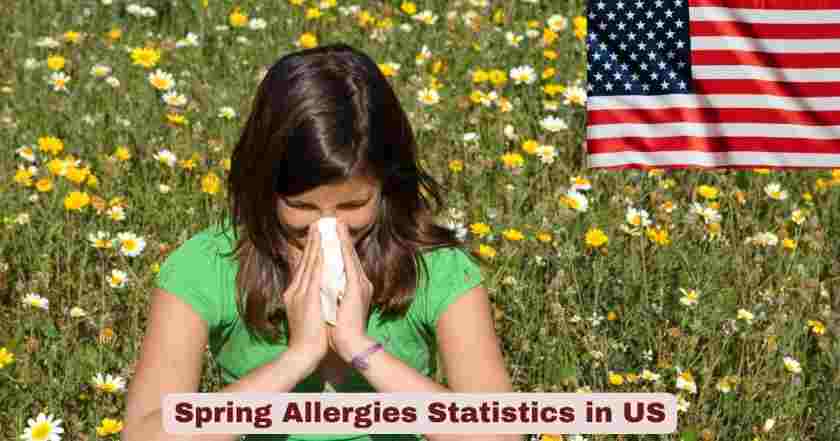
Every spring, millions of Americans brace themselves for what has become one of the most predictable — and dreaded — health events of the year. Spring allergies, medically known as seasonal allergic rhinitis or hay fever, occur when the human immune system mistakenly identifies harmless airborne substances — primarily pollen from trees, grasses, and weeds — as threats, triggering a cascade of inflammatory responses. As temperatures rise and plants begin to bloom, pollen fills the air across the country, making the spring season an especially difficult time for a significant portion of the U.S. population. What many people fail to realize is that spring allergy season in America 2026 is not just arriving earlier than it used to — it is hitting harder, lasting longer, and affecting far more people than previous decades have recorded.
As of April 2026, the scale of this public health issue has reached staggering proportions. According to the latest data from the Centers for Disease Control and Prevention (CDC), based on the 2024 National Health Interview Survey (NHIS), one in four U.S. adults — or 25.2% — has been diagnosed with a seasonal allergy, and 20.6% of American children are currently living with the condition. That translates to tens of millions of people managing sneezing, congestion, watery eyes, and fatigue every single spring. The Asthma and Allergy Foundation of America (AAFA) has confirmed in its 2026 Allergy Capitals Report that climate change-driven pollen spikes are directly reshaping which cities suffer the most — with Boise, Idaho claiming the top spot as the single most challenging city for pollen allergy sufferers this year. Spring allergies in 2026 are no longer just a seasonal nuisance. They represent a growing, climate-fueled public health emergency that is costing the United States billions of dollars every year.
Key Interesting Facts About Spring Allergies in the US 2026
Before diving into the statistical breakdown, it helps to understand the breadth and depth of spring allergies in the US 2026 through some of the most striking verified facts sourced from U.S. government health agencies and nationally recognized allergy organizations.
| Fact Category | Key Fact |
|---|---|
| Total Allergy Sufferers | Over 82 million Americans have seasonal allergic rhinitis (hay fever) as of 2026 |
| Adult Seasonal Allergy Rate | 25.2% of U.S. adults have a diagnosed seasonal allergy (CDC/NHIS 2024) |
| Children’s Seasonal Allergy Rate | 20.6% of U.S. children under age 18 have a diagnosed seasonal allergy (CDC/NHIS 2024) |
| Any Allergy Prevalence — Adults | 31.7% of adults have at least one diagnosed allergic condition in 2024 |
| Any Allergy Prevalence — Children | 29.5% of children have at least one diagnosed allergic condition in 2024 |
| Physician Office Visits | 4.1 million physician office visits annually with allergic rhinitis as the primary diagnosis |
| Annual Healthcare Cost | Allergic rhinitis alone costs $18 billion in yearly U.S. healthcare expenses |
| Productivity Loss | Allergies cause an estimated 4 million missed workdays per year in the United States |
| Pollen Season Lengthening | The freeze-free growing season lengthened by 21 days on average from 1970 to 2025 across 87% of 198 U.S. cities analyzed |
| Worst Allergy City 2026 | Boise, Idaho ranks #1 as the most challenging U.S. city for pollen allergies (AAFA 2026) |
| Climate Change Impact | Parts of the United States now experience pollen year-round due to warming temperatures |
| Nonmetropolitan vs. Metropolitan | Adults in nonmetropolitan areas are more likely to have a seasonal allergy than those in metropolitan areas |
Source: CDC/National Center for Health Statistics, NHIS 2024; AAFA 2026 Allergy Capitals Report; Climate Central 2026 Analysis
These facts paint a clear and somewhat alarming picture of where spring allergies in America 2026 stand. What is particularly striking is the sheer number of people affected — 82 million is not an abstraction; it is larger than the entire population of many countries. The figure for missed workdays — 4 million annually — underscores that this is not merely a personal health concern but a massive economic drain on the national workforce. Perhaps most consequential is the climate angle: when 87% of 198 analyzed U.S. cities are recording longer freeze-free growing seasons, the result is a direct extension of the window in which plants produce allergenic pollen. The data from NOAA confirms this is not a trend that is pausing — it is accelerating year on year, and spring 2026 is experiencing those consequences in real time.
Spring Allergies Prevalence Statistics in the US 2026
The most foundational question when examining spring allergy statistics in the US 2026 is: how many people are affected, and who is most at risk? The CDC’s January 2026 NCHS Data Briefs (No. 545 and No. 546), based on the 2024 National Health Interview Survey, provide the most current and authoritative government data available on this question.
| Population Group | Seasonal Allergy Prevalence (2024) | Any Allergic Condition |
|---|---|---|
| All U.S. Adults (18+) | 25.2% | 31.7% |
| All U.S. Children (0–17) | 20.6% | 29.5% |
| Boys (children) | 21.3% | — |
| Girls (children) | 19.8% | — |
| Children ages 6–11 | 25.0% | — |
| Children ages 12–17 | 24.0% | — |
| Children ages 0–5 | 11.6% | — |
| Nonmetropolitan children | 25.6% | — |
| Metropolitan children | 19.8% | — |
Source: CDC/NCHS Data Brief No. 546, January 8, 2026 — Diagnosed Allergic Conditions in Children Ages 0–17 Years: United States, 2024
The data here reveals patterns that deserve careful attention. The age-based breakdown for children is especially telling: seasonal allergy prevalence among 6–11 year olds at 25.0% and 12–17 year olds at 24.0% dwarfs the rate among the youngest children (ages 0–5 at just 11.6%), suggesting that repeated seasonal exposure and immune sensitization play a meaningful role in the development of pollen allergies over time. This is consistent with how allergic sensitization works — the immune system builds a memory response over repeated exposures, which is why older children tend to have higher rates than toddlers. The geographic split between nonmetropolitan (25.6%) and metropolitan (19.8%) children also challenges a common assumption: rural America is not insulated from allergies. In fact, proximity to a wider range of trees, grasses, and open land may be driving higher sensitization rates outside of major urban centers, where air quality and biodiversity patterns differ substantially.
Spring Allergies Statistics by Race and Gender in the US 2026
Understanding spring allergy demographics in the US 2026 goes beyond just counting how many people are affected. The CDC’s latest data from the 2024 NHIS, published in the January 2026 NCHS Data Briefs, reveals significant variation across gender and racial/ethnic lines that has implications for how healthcare resources should be allocated and how at-risk communities are identified.
| Demographic Group | Seasonal Allergy Rate (Adults, 2024) | Key Note |
|---|---|---|
| Women (adults) | Higher than men | Women more likely to have seasonal allergy |
| Men (adults) | Lower than women | Statistically significant difference (p < 0.05) |
| Non-Hispanic White adults | 28.4% (2021 reference data) | Highest rate among racial groups |
| Non-Hispanic Black adults | 24.0% | Second highest rate |
| Hispanic adults | 18.8% | Lower rate than White and Black groups |
| Non-Hispanic Asian adults | 17.0% (adults) / 11.0% (children) | Lowest seasonal allergy rates |
| Non-Hispanic White children | 20.4% | Among highest rates in children |
| Non-Hispanic Black children | 21.3% | Highest seasonal allergy rate among children |
| Hispanic/Latino children | 15.3% | Below average for children |
Source: CDC/NCHS Data Brief No. 545, January 2026 (adults); CDC/NCHS Data Brief No. 546, January 8, 2026 (children); National Health Interview Survey, 2024
The gender and racial breakdown of spring allergies in the United States 2026 reveals some genuinely important disparities. The fact that women consistently show higher rates of diagnosed seasonal allergy than men across the adult population is not a new finding, but it is one that has persisted over multiple survey cycles and is considered statistically significant by the CDC. This difference may be driven by a combination of hormonal factors, differences in how men and women report and seek treatment for symptoms, and underlying immunological differences between biological sexes. On the racial dimension, the contrast between Non-Hispanic White adults (28.4%) and Non-Hispanic Asian adults (17.0%) is notable and may reflect both genetic predisposition patterns and environmental exposure differences. For children, the data flips in one important way: Non-Hispanic Black children actually have the highest seasonal allergy rate at 21.3%, which underscores that the disease burden in this group may be underappreciated and may be contributing to health disparities that deserve targeted clinical and public health attention.
Spring Allergy Symptoms Statistics in the US 2026
Knowing the symptoms of spring allergies in the US 2026 matters for early recognition and treatment. The most common presentation is allergic rhinitis, characterized by a well-recognized cluster of upper respiratory and ocular symptoms, documented by the CDC, NIH, and clinical allergy bodies.
| Symptom | Description / Notes | How Common |
|---|---|---|
| Sneezing | Reflexive nasal clearing response to pollen | Extremely common; hallmark symptom |
| Runny or Stuffy Nose | Nasal congestion due to histamine release | Present in vast majority of sufferers |
| Itchy, Watery Eyes (Allergic Conjunctivitis) | Inflammation of the eye lining; redness, tearing | Affects tens of millions annually |
| Itching of Nose, Throat, and Mouth | Caused by immune response to pollen antigens | Very common in tree pollen allergy |
| Coughing | Often from post-nasal drip and airway irritation | Common, especially with high pollen |
| Fatigue | Inflammatory response and poor sleep quality | Underreported but widespread |
| Wheezing / Shortness of Breath | Allergy-triggered asthma; over 80% of asthma patients have allergic rhinitis | Serious complication |
| Sinus Pressure / Headache | Secondary to nasal swelling and congestion | Common in moderate-to-severe cases |
| Allergic Rhinitis (Hay Fever) | Affects approximately 60 million Americans annually | Among the most prevalent diagnoses |
Source: CDC/National Center for Health Statistics; NIH National Center for Complementary and Integrative Health (NCCIH); Allergy & Asthma Network, January 2026
The symptom profile of spring allergies in America 2026 is broad enough that it is frequently confused with the common cold, especially in the early weeks of pollen season. The critical distinction is duration: colds typically resolve in a week or two, whereas seasonal allergies can persist for weeks or months as long as the triggering pollen remains in the air. The fatigue component is one of the most underappreciated aspects of the condition — the chronic inflammatory state, combined with disrupted sleep from congestion and itching, meaningfully degrades quality of life and daytime functioning. The link between allergic rhinitis and asthma is particularly significant from a clinical standpoint: over 80% of people with asthma also have allergic rhinitis, meaning that poorly managed spring allergies can directly trigger and worsen asthma attacks, escalating the severity of what might otherwise appear to be a routine allergy season.
Pollen Season & Climate Change Statistics for Spring Allergies in the US 2026
One of the most consequential stories behind spring allergy statistics in the US 2026 is how dramatically climate change has reshaped the timing, intensity, and geographic footprint of pollen season. Data from the National Oceanic and Atmospheric Administration (NOAA) and Climate Central’s March 2026 analysis tell a consistent and sobering story.
| Climate/Pollen Metric | Data Point | Time Period / Source |
|---|---|---|
| Cities with longer freeze-free seasons | 87% of 198 U.S. cities analyzed | 1970–2025, NOAA via Climate Central 2026 |
| Average extension of growing season | 21 more freeze-free days on average | 1970–2025 national analysis |
| Northwest region increase | 31 more freeze-free days — largest regional gain | NOAA/Climate Central, March 2026 |
| 2026 Spring onset — Southeast | Allergy season began late February (vs. usual early March) | Georgia/Southeast, 2026 |
| Pollen year-round | Some parts of the U.S. now experience year-round pollen | AAFA 2026 Allergy Capitals Report |
| Peak tree pollen — Eastern U.S. | Peaks in late April for deciduous trees | NOAA-based pollen emission models, 2026 |
| Evergreen pollen peak | Peaks in May in eastern and western U.S. | Climate Central 2026 |
| Denver freeze-free days change | 15 fewer days below freezing per year vs. 1960 | NOAA data via AAFA 2026 |
Source: Climate Central Climate Matters Analysis, March 4, 2026; AAFA 2026 Allergy Capitals Report; National Oceanic and Atmospheric Administration (NOAA)
These numbers represent a fundamental shift in the seasonal allergy landscape across the United States. When 87% of cities analyzed are recording longer pollen-producing seasons compared to the 1970s, that means the vast majority of the American population is now being exposed to allergenic pollen for significantly longer periods each year. The 21-day average extension of the freeze-free growing season translates directly into more days of elevated pollen counts, more physician visits, more medication use, and more missed work and school. The 2026 allergy season is already demonstrating these effects in practice: in the Southeast, allergy season arrived in late February rather than early March, and parts of the Southwest — including Arizona and California — were already reporting allergy symptoms by early March. The geographic realignment of allergy hotspots is also evident: cities like Denver (jumping from #91 to #30 on AAFA’s list) and Colorado Springs (leaping from #84 to #15) represent a dramatic westward expansion of the allergy burden, driven by warmer temperatures, persistent wind, and dramatically reduced frost days compared to historical norms.
Top 10 Worst US Cities for Spring Allergies in 2026
The AAFA 2026 Allergy Capitals Report ranks the 100 largest metro areas in the continental United States by how challenging they are for people living with pollen allergies. Rankings are based on tree, grass, and weed pollen scores; over-the-counter allergy medication use per capita; and the availability of board-certified allergists.
| Rank | City / Metro Area | State | Key Driver |
|---|---|---|---|
| #1 | Boise | Idaho | Higher-than-usual pollen + limited allergist access |
| #2 | San Diego | California | Year-round growing season; Mediterranean climate |
| #3 | Tulsa | Oklahoma | Central Plains pollen; wind-driven grass and cedar |
| #4 | Provo | Utah | Wasatch Front layered pollen; warm, dry conditions |
| #5 | Rochester | New York | Ragweed and birch; potent fall and spring overlap |
| #6 | Wichita | Kansas | Agricultural plains; eastern red cedar; gusty winds |
| #7 | Raleigh | North Carolina | Extended warm season; pine pollen coverage |
| #8 | Ogden | Utah | Long layered season; box elder, juniper, maple, oak |
| #9 | Spokane | Washington | Alder, birch, cedar spring pollen; hot arid summer |
| #10 | Greenville | South Carolina | Blue Ridge pine forests; dense spring pollen output |
Source: AAFA 2026 Allergy Capitals® Report — Asthma and Allergy Foundation of America
The 2026 AAFA Allergy Capitals ranking contains one of the biggest geographic surprises in the report’s history: western U.S. cities have surged dramatically up the list, displacing the historically dominant southern cities that have traditionally topped these rankings. The ascent of Boise, Idaho to the #1 position — the most challenging city for pollen allergy sufferers in the entire country — is a direct result of exceptionally high pollen counts combined with a limited supply of board-certified allergists to treat the growing patient population. San Diego’s #2 ranking reflects the reality of a near-year-round growing season in a Mediterranean climate where plants rarely experience the extended frost periods needed to suppress pollen production. The AAFA notes that rainstorms, warmer temperatures, and drought in 2025 triggered more pollen spikes across western cities, creating the conditions that led to this unprecedented reshuffling of the rankings. For allergy sufferers and healthcare providers alike, this is a signal that spring allergy geography in America is shifting, and that planning, treatment, and resource allocation need to adapt accordingly.
Economic & Healthcare Cost Statistics of Spring Allergies in the US 2026
The financial burden of spring allergies in the United States 2026 is enormous and measurable, touching everything from direct medical costs to lost workplace productivity. Data compiled from federal health agencies and national allergy organizations quantifies the true scale of this economic drain.
| Cost / Economic Metric | Estimated Figure | Source / Context |
|---|---|---|
| Annual cost of allergic rhinitis | ~$18 billion in yearly U.S. healthcare costs | Allergy & Asthma Network, January 2026 |
| Annual cost of asthma (total) | ~$80 billion (direct + indirect) | CDC estimate |
| Asthma medical costs alone | $50.3 billion in direct medical costs | National Library of Medicine |
| Lost productivity due to allergies | 21% drop in productivity among affected workers | AllerVie Health / Medical Economics |
| Missed workdays per year | Estimated 4 million workdays lost annually | National allergy burden data |
| Productivity loss to employers | More than $250 million per year in absenteeism | Hewitt Associates study |
| Physician office visits (allergic rhinitis) | 4.1 million visits annually as primary diagnosis | CDC NAMCS 2019 (most recent available) |
| Emergency room visits (eczema/dermatitis) | 229,000 ER visits annually | CDC NHAMCS 2019 |
Source: CDC/National Center for Health Statistics (January 9, 2026 update); Allergy & Asthma Network (January 12, 2026); AllerVie Health / Medical Economics
The economic data on spring allergies in the US 2026 tells a story that reaches far beyond hospital waiting rooms and pharmacy aisles. $18 billion in annual healthcare costs tied specifically to allergic rhinitis represents a staggering institutional burden — and that figure is widely expected to rise as pollen seasons continue to lengthen and intensify due to climate change. The productivity angle is equally significant: a 21% drop in workplace output among allergy-affected employees is not a trivial statistic. When multiplied across tens of millions of affected workers during the 2–4 month peak of spring allergy season, the drag on the American economy is substantial. The $250 million in employer costs from absenteeism and reduced output serves as a clear financial argument for employers to take allergy management seriously — not just as a wellness benefit, but as a genuine business performance issue. The 4.1 million physician office visits annually for allergic rhinitis alone indicate the scale of healthcare system utilization tied to this single condition, and that does not include the millions more who manage their symptoms entirely with over-the-counter medications without ever seeing a doctor.
Spring Allergy Treatment Options in the US 2026
Managing spring allergies in the US 2026 involves a range of evidence-based treatment approaches, from first-line over-the-counter options to longer-term immunotherapy solutions. The following treatment data comes from clinical guidance endorsed by the NIH, CDC, and national allergy medical bodies.
| Treatment Type | How It Works | Best For |
|---|---|---|
| Oral Antihistamines | Block histamine receptors to reduce sneezing, runny nose, itching | Mild to moderate symptoms; first-line treatment |
| Intranasal Corticosteroid Sprays | Reduce airway inflammation; most effective daily preventive option | Persistent or moderate-to-severe nasal symptoms |
| Decongestants | Shrink swollen nasal tissues; reduce stuffiness | Short-term congestion relief (max 3 days for OTC sprays) |
| Antihistamine Eye Drops | Relieve ocular itching and tearing (allergic conjunctivitis) | Eye-dominant symptoms |
| Saline Nasal Rinses | Physically clear allergens from nasal passages | All severity levels; complementary approach (NIH-supported) |
| Allergen Immunotherapy (Allergy Shots) | Gradually desensitize the immune system to specific allergens | Moderate-to-severe symptoms; long-term remission goal |
| Sublingual Immunotherapy (Tablets) | Same desensitization mechanism as shots; oral delivery | Patients preferring non-injection route |
| Biologic Treatments | Target specific immune pathways (e.g., anti-IgE therapy) | Severe, refractory allergy/asthma cases |
| HEPA Air Purifiers | Filter particulate matter including pollen indoors | Indoor prevention; reduces exposure at home |
Source: NIH/NCCIH Seasonal Allergies at a Glance; NIH MedlinePlus; American College of Allergy, Asthma and Immunology (ACAAI), March 4, 2026; CDC
The treatment landscape for spring allergies in America 2026 is more sophisticated and individualized than ever, but the core principle remains the same: the earlier treatment begins, the better the outcome. One of the most important clinical recommendations emerging this spring comes from the American College of Allergy, Asthma and Immunology (ACAAI), whose president specifically advised in March 2026 that people with known tree pollen allergies should begin their preventive medications at least a month before their symptoms typically appear, to prevent the immune system from mounting a full inflammatory response. This is particularly important in 2026, given that allergy season arrived weeks early in many parts of the country. For those who find that over-the-counter antihistamines and nasal sprays are not delivering adequate relief, the next step is consulting a board-certified allergist who can perform allergy testing and develop a personalized plan — potentially including immunotherapy, which does not merely mask symptoms but actually modifies the underlying immune response, offering the possibility of long-term reduction in allergy severity.
Prevention Tips for Spring Allergies in the US 2026
Reducing spring allergy symptoms in the US 2026 is not just about medication — behavioral and environmental strategies play a proven role in lowering pollen exposure and minimizing the immune response. The following prevention data reflects guidance from the CDC, NIH, Yale Medicine, ACAAI, and AAFA.
| Prevention Strategy | How It Reduces Allergy Burden | Source |
|---|---|---|
| Check daily pollen forecasts | Allows you to adjust activity and medication timing based on real-time counts | AAFA; NIH MedlinePlus 2026 |
| Keep windows and car vents closed | Prevents outdoor pollen from entering indoor spaces | CDC; ACAAI March 2026 |
| Shower and change clothes after outdoor time | Removes pollen that clings to hair, skin, and fabric | CDC; Yale Medicine; ACAAI 2026 |
| Use air conditioning with clean HEPA filters | Filters pollen and maintains lower indoor allergen levels | CDC; ACAAI; Yale Medicine |
| Wear sunglasses and a hat outdoors | Reduces pollen contact with eyes and hair | NIH MedlinePlus; Yale Medicine |
| Wear an N95 mask outdoors on high pollen days | Blocks larger pollen particles from inhalation | CDC; NIH MedlinePlus 2026 |
| Avoid outdoor activity in the morning | Pollen counts are typically highest before noon; dip at sundown | NIH MedlinePlus; ACAAI |
| Begin allergy medications before symptoms start | Pre-treatment prevents full immune sensitization cycle | ACAAI March 4, 2026 |
| Wash bedding frequently; vacuum with HEPA vacuum | Reduces secondary exposure from tracked-in pollen | Yale Medicine; NIH |
| Stay indoors on windy or dry days | Wind disperses pollen further and at higher concentrations | NIH NCCIH; MedlinePlus |
Source: CDC (January 9, 2026); NIH/NCCIH; American College of Allergy, Asthma and Immunology (ACAAI), March 4, 2026; Yale Medicine (updated March 2026); AAFA 2026
The prevention data for spring allergies in the United States 2026 is both actionable and backed by solid clinical evidence. One of the most critical but overlooked prevention insights is the timing of medication initiation — the ACAAI’s March 2026 guidance makes it very clear that waiting until symptoms are already bad before starting allergy medications is one of the most common and costly mistakes patients make. By the time sneezing and congestion are severe, the immune system has already mounted a full-blown response that is significantly harder to suppress. Starting antihistamines or nasal corticosteroid sprays in advance — ideally several weeks before local pollen counts historically peak — keeps the immune system from entering that state to begin with. Equally important is the indoor environment: keeping windows closed and air conditioners running with clean HEPA filters can dramatically reduce the pollen load inside a home, creating a meaningful refuge from outdoor exposures. The practice of showering and changing clothes before entering common living areas — especially before sleep — prevents pollen from being continuously reintroduced to the body throughout the evening and night, which is a major contributor to nighttime nasal congestion and disrupted sleep among spring allergy sufferers in America 2026.
Disclaimer: The data research report we present here is based on information found from various sources. We are not liable for any financial loss, errors, or damages of any kind that may result from the use of the information herein. We acknowledge that though we try to report accurately, we cannot verify the absolute facts of everything that has been represented.