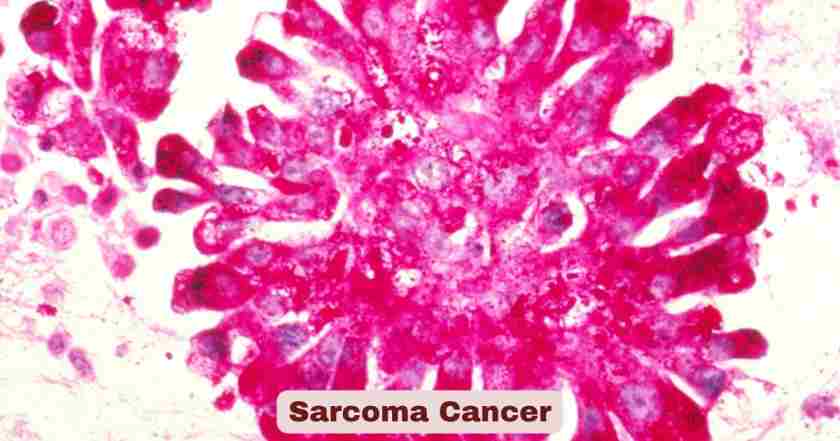
Sarcoma is a rare and complex form of cancer that develops in the body’s connective tissues, including muscles, fat, nerves, tendons, blood vessels, and bones. Unlike common cancers that originate in organs such as the lungs or liver, sarcomas arise in the tissues that support and connect different parts of the body. Because of its rarity and wide range of subtypes, sarcoma often requires highly specialized diagnosis and treatment for the best possible outcomes.
There are two primary categories of sarcoma: soft tissue sarcoma and bone sarcoma. Soft tissue sarcomas develop in muscles, fat, and fibrous tissues, while bone sarcomas begin in the bones. Each category contains multiple subtypes with distinct characteristics, growth patterns, and responses to treatment. This diversity makes early detection and expert evaluation extremely important.
Understanding the Causes and Risk Factors
The exact cause of sarcoma is not always known. However, certain factors may increase the risk of developing this cancer. Genetic conditions such as Li-Fraumeni syndrome and neurofibromatosis are linked to a higher likelihood of sarcoma. Previous exposure to radiation therapy, contact with harmful chemicals, chronic lymphedema, and a family history of cancer can also contribute to increased risk.
In many cases, sarcoma develops without any identifiable risk factors. This unpredictability highlights the importance of recognizing symptoms early and seeking medical attention when unusual changes occur in the body.
Common Symptoms to Watch For
Symptoms of sarcoma depend on the tumor’s location and size. One of the most common signs is a painless lump or swelling that gradually increases in size. In cases of bone sarcoma, persistent bone pain—especially at night—may occur. Some patients may experience unexplained fractures, abdominal discomfort, or difficulty moving a limb if the tumor presses against nerves or muscles.
Because these symptoms often resemble less serious conditions, sarcoma may go unnoticed until it reaches an advanced stage. Early consultation with a medical specialist can significantly improve treatment success.
How Sarcoma Is Diagnosed
Diagnosing sarcoma involves a combination of imaging tests and laboratory analysis. Doctors often use MRI scans, CT scans, and PET scans to identify the tumor’s size, location, and spread. A biopsy is then performed to confirm the diagnosis and determine the exact subtype of sarcoma.
Accurate staging is essential for creating an effective treatment plan. Specialized cancer centers use advanced diagnostic technologies and expert pathology review to ensure precise identification of the disease.
Treatment Options for Sarcoma Cancer
Treatment for sarcoma cancer depends on the type, stage, and location of the tumor. Surgery is the most common and effective method for removing localized sarcoma. The goal is to remove the tumor completely while preserving surrounding healthy tissue.
Radiation therapy may be used before or after surgery to shrink tumors or destroy remaining cancer cells. Chemotherapy is often recommended for aggressive or advanced sarcomas that have spread to other parts of the body. In recent years, targeted therapy and immunotherapy have emerged as promising treatment options that specifically attack cancer cells while minimizing damage to normal tissues.
A multidisciplinary approach involving oncologists, surgeons, radiologists, and rehabilitation specialists ensures comprehensive care for patients.
Importance of Specialized Sarcoma Care
Due to its rarity and complexity, sarcoma should be treated at advanced medical centers with expertise in rare cancers. Experienced oncology teams use modern technology, precise diagnostics, and personalized treatment strategies to manage sarcoma effectively.
Early diagnosis, expert care, and access to advanced treatment options significantly improve survival rates and quality of life for sarcoma patients. Increased awareness about this rare cancer can lead to timely medical consultation and better outcomes for those affected.