Salmonella Outbreak in America 2025
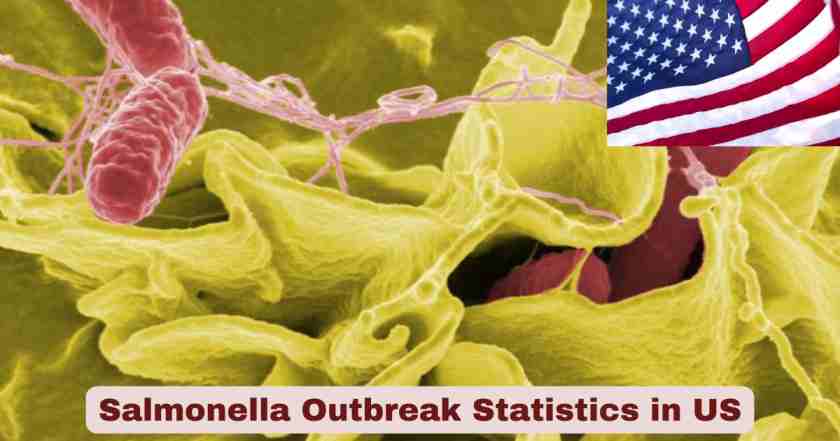
The United States witnessed a significant public health challenge throughout 2025 as Salmonella bacterial infections surged across multiple states, affecting hundreds of Americans through various contamination sources. Federal health authorities, including the Centers for Disease Control and Prevention and the Food and Drug Administration, documented multiple simultaneous outbreak investigations spanning from backyard poultry to contaminated produce and ready-to-eat meals. These outbreaks collectively resulted in over 800 confirmed cases, more than 200 hospitalizations, and 3 deaths across nearly all states, marking one of the most widespread foodborne illness crises in recent years. The diverse sources of contamination—ranging from eggs and cucumbers to pet reptiles and home-delivered meals—demonstrated the pervasive nature of Salmonella bacteria and the ongoing challenges in maintaining food safety protocols throughout the nation’s complex supply chains.
The 2025 Salmonella outbreaks revealed critical vulnerabilities in America’s food safety infrastructure, with the largest single outbreak linked to backyard poultry affecting 48 states simultaneously. Public health investigators utilized advanced whole genome sequencing technology to track eight different Salmonella serotypes, including Enteritidis, Montevideo, Muenchen, Lome, Cotham, Anatum, Cerro, Indiana, Johannesburg, London, Mbandaka, and Thompson. The widespread geographic distribution and multiple contamination sources required unprecedented coordination between federal agencies, state health departments, and private industry partners. Health officials estimate the true number of affected individuals could be 29 times higher than reported cases, suggesting potentially over 23,000 unreported illnesses occurred throughout the year, as many people recover without seeking medical care or laboratory confirmation.
Key Salmonella Facts and Statistics in the US 2025
| Fact Category | 2025 Data | Details |
|---|---|---|
| Total Confirmed Outbreak Cases | 834+ cases | Across all documented multistate outbreaks |
| Total States Affected | 48 states | Nearly nationwide impact |
| Total Hospitalizations | 209 hospitalizations | Representing 25% hospitalization rate |
| Total Deaths Reported | 3 deaths | Illinois (1), Pennsylvania (1), Kentucky (1) |
| Largest Single Outbreak Source | 559 cases | Backyard poultry outbreak |
| Hospitalization Rate (Backyard Poultry) | 30% | 125 out of 413 with available data |
| Antibiotic Resistance Cases | 115+ cases | Resistance to ciprofloxacin and nalidixic acid |
| Active Outbreak Investigations | 10+ investigations | Multiple simultaneous outbreaks |
| Peak Outbreak Period | April-August 2025 | Highest concentration of illness onset dates |
| Estimated Unreported Cases | 24,000+ cases | Based on CDC 29:1 unreported ratio |
| Annual US Salmonella Burden | 1.35 million infections | Including all sources (outbreak and sporadic) |
| Annual Hospitalizations (All Sources) | 26,500 hospitalizations | CDC annual estimate |
| Annual Deaths (All Sources) | 420 deaths | USDA/CDC annual estimate |
| Youngest Affected Patient | Under 1 year | Multiple infant cases reported |
| Median Patient Age (Gecko Outbreak) | 24 years | Varied by outbreak source |
Data Source: Centers for Disease Control and Prevention (CDC), U.S. Food and Drug Administration (FDA), U.S. Department of Agriculture Food Safety and Inspection Service (USDA-FSIS), 2025 Outbreak Investigation Reports
The 2025 Salmonella outbreak statistics reveal alarming patterns in foodborne illness transmission across the United States, with contamination sources spanning agricultural, retail, and residential environments. The 834+ confirmed cases represent only laboratory-confirmed infections reported to public health authorities, while epidemiological modeling suggests the actual disease burden exceeded 24,000 individuals when accounting for unreported cases. The 30% hospitalization rate observed in the backyard poultry outbreak significantly exceeded typical Salmonella hospitalization rates, indicating either more virulent bacterial strains or infections among vulnerable populations including children under five years, adults over 65 years, and immunocompromised individuals.
The geographic scope of the 2025 outbreaks demonstrated unprecedented spread, with the backyard poultry outbreak alone affecting 48 of 50 states, making it one of the most geographically extensive foodborne disease outbreaks in modern US public health history. The three confirmed deaths—one each in Illinois, Pennsylvania, and Kentucky—highlight the potentially fatal consequences of Salmonella infections, particularly among high-risk populations. The emergence of antibiotic-resistant strains in over 115 cases raised significant concerns among infectious disease specialists, as resistance to ciprofloxacin and nalidixic acid complicates treatment protocols for severe infections requiring antimicrobial therapy. Federal health agencies conducted ten simultaneous outbreak investigations throughout 2025, requiring extensive laboratory resources, epidemiological expertise, and coordinated recall efforts across multiple food distribution networks.
Backyard Poultry Salmonella Outbreak Cases in the US 2025
| Metric | Statistics | Percentage/Rate |
|---|---|---|
| Total Cases | 559 cases | 67% of all outbreak cases |
| States Affected | 48 states | 96% of US states |
| Hospitalizations | 125 hospitalizations | 30% hospitalization rate |
| Deaths | 2 deaths | Illinois (1), Pennsylvania (1) |
| Illness Onset Period | December 27, 2024 – September 4, 2025 | 8.5 month duration |
| Salmonella Serotypes Identified | 8 serotypes | Anatum, Cerro, Enteritidis, Indiana, Johannesburg, London, Mbandaka, Thompson |
| Peak Cases (May Update) | 187 cases | Through May 19, 2025 |
| Peak Cases (June Update) | 242 new cases | Added between May-June |
| Final Case Count (September) | 559 total cases | Investigation concluded |
| Children Under 5 Affected | Data not specified | High-risk population targeted |
| Median Age | Not reported | Demographic data limited |
| Cases with Hospitalization Data | 413 cases | 74% had complete records |
Data Source: Centers for Disease Control and Prevention, “Investigation Update: Salmonella Outbreaks, May 2025,” Final Update September 29, 2025
The backyard poultry Salmonella outbreak emerged as the dominant public health threat in 2025, with 559 confirmed cases making it the largest single-source foodborne disease outbreak of the year. This outbreak demonstrated exponential growth patterns, beginning with just 104 cases reported by mid-May 2025, then surging to 187 cases by late May, reaching 429 cases by early August, and ultimately concluding with 559 total infections by the investigation’s closure in September. The 48-state geographic distribution established this outbreak as one of the most widespread in Centers for Disease Control and Prevention history, with only Alaska and Hawaii reporting no confirmed cases linked to backyard poultry exposure during this period.
The 30% hospitalization rate documented in this outbreak significantly exceeded typical Salmonella infection hospitalization rates of approximately 20-25%, suggesting either increased virulence of the bacterial strains involved or higher proportion of vulnerable individuals among those exposed to backyard poultry. The identification of eight distinct Salmonella serotypes (Anatum, Cerro, Enteritidis, Indiana, Johannesburg, London, Mbandaka, and Thompson) indicated multiple contamination sources within the backyard poultry supply chain, likely involving numerous hatcheries and poultry distributors across the country. The two confirmed fatalities—one patient in Illinois and one in Pennsylvania—represented a case fatality rate of approximately 0.36%, which aligns with typical Salmonella mortality rates but underscores the potential for severe outcomes. Federal investigators traced illness onset dates spanning December 27, 2024, through September 4, 2025, demonstrating the outbreak’s extended temporal duration and the challenges in implementing effective control measures across decentralized backyard poultry operations nationwide.
Contaminated Eggs Salmonella Outbreak Statistics in the US 2025
| Outbreak Details | Country Eggs LLC (Primary) | Additional Egg Outbreaks |
|---|---|---|
| Total Cases | 105 cases | 134 cases (secondary outbreak) |
| States Affected | 14 states | Data varies by outbreak |
| Hospitalizations | 19 hospitalizations | 18% hospitalization rate |
| Deaths | 0 deaths | No fatalities reported |
| Illness Onset Period | January 7 – August 14, 2025 | 7.2 month duration |
| Recall Date | August 27, 2025 | Country Eggs LLC voluntary recall |
| Product Codes | CA 7695 | Large brown cage-free eggs |
| Brands Affected | 4 brands | Nagatoshi, Misuho, Nijiya, Country Eggs |
| Sell-By Dates | July 1 – September 18, 2025 | Extended distribution period |
| Primary Distribution | California, Nevada | Additional distribution possible |
| Antibiotic Resistance | 94 cases | Resistance to nalidixic acid, ciprofloxacin |
| Environmental Contamination | 3 positive samples | FDA inspection findings |
| California Cases | 73 cases | 70% of total outbreak cases |
| Peak Affected Population | Adults | Demographic data limited |
Data Source: Food and Drug Administration, “Outbreak Investigation of Salmonella: Eggs (August 2025),” Centers for Disease Control and Prevention Investigation Updates, November 20, 2025
The contaminated eggs outbreak linked to Country Eggs LLC represented a significant foodborne illness event affecting 105 individuals across 14 states, with California bearing 70% of the disease burden with 73 confirmed cases. This outbreak demonstrated the extended risk period associated with shell egg contamination, as illness onset dates ranged from January 7 through August 14, 2025, suggesting either prolonged environmental contamination at the production facility or extended shelf life allowing contaminated products to remain in circulation for over seven months. The 19 hospitalizations resulted in an 18% hospitalization rate, slightly lower than the backyard poultry outbreak but still representing substantial morbidity requiring acute medical care.
Federal investigators identified Salmonella Enteritidis as the causative organism, with whole genome sequencing revealing concerning antibiotic resistance patterns in 94 of the 105 cases (89.5%), specifically showing predicted resistance to nalidixic acid and nonsusceptibility to ciprofloxacin. This resistance profile matched strains previously isolated from chicken, eggs, and backyard poultry, suggesting potential transmission pathways between commercial egg production and backyard poultry operations. The Food and Drug Administration’s environmental investigation at the Country Eggs LLC facility yielded three environmental samples positive for Salmonella, with genetic sequencing confirming matches to clinical isolates from infected patients. The voluntary recall issued on August 27, 2025, targeted large brown cage-free eggs marketed under the brand names “sunshine yolks” or “omega-3 golden yolks” with the product code “CA 7695,” distributed primarily throughout California and Nevada but potentially reaching additional states through wholesale distribution networks and consumer transport across state lines.
Cucumber-Linked Salmonella Outbreak Cases in the US 2025
| Outbreak Metric | Bedner Growers Outbreak (May 2025) | Impact Level |
|---|---|---|
| Total Cases | 69 cases | Final count |
| States Affected | 21 states | Multi-regional outbreak |
| Hospitalizations | 22 hospitalizations | 32% hospitalization rate |
| Deaths | 0 deaths | No fatalities reported |
| Initial Cases Reported | 26 cases | May 20, 2025 announcement |
| Mid-Outbreak Cases | 45 cases | May 30, 2025 update |
| Final Case Count | 69 cases | June 30, 2025 final update |
| Illness Onset Period | April 2 – May 29, 2025 | 58-day outbreak window |
| Grower | Bedner Growers Inc. | Boynton Beach, Florida |
| Distributor | Fresh Start Produce Sales Inc. | Delray, Florida |
| Distribution Period | April 29 – May 19, 2025 | 21-day distribution window |
| Salmonella Serotype | Salmonella Montevideo | Specific strain identified |
| Cruise Ship Cases | 8 cases | Departures from Florida ports |
| Affected Cruise Ships | 6 different ships | March 30 – April 12 departures |
| Retail Locations | Multiple stores, restaurants | Bedner’s Farm Fresh Market, wholesale |
| Antibiotic Resistance | 1 case | Trimethoprim resistance |
Data Source: Centers for Disease Control and Prevention, “Investigation Update: Whole Cucumbers Outbreak, May 2025,” Food and Drug Administration Outbreak Investigation, July 2025
The whole cucumbers Salmonella outbreak demonstrated rapid case escalation, with confirmed infections increasing from 26 initial cases on May 20 to 45 cases by May 30, and ultimately reaching 69 total cases across 21 states by the investigation’s conclusion on June 30, 2025. The 32% hospitalization rate (22 of 69 patients) represented the highest hospitalization percentage among all 2025 food-related Salmonella outbreaks, suggesting either particularly virulent Salmonella Montevideo strain characteristics or higher proportion of vulnerable population exposure. The outbreak’s unique epidemiological feature involved eight patients who contracted infections while on cruise ships, with all vessels departing from Florida ports between March 30 and April 12, 2025, indicating potential contamination of shipboard food supplies or port-sourced produce.
Traceback investigations identified Bedner Growers Inc. in Boynton Beach, Florida, as the cultivation source, with distribution handled by Fresh Start Produce Sales Inc. of Delray, Florida, between April 29 and May 19, 2025. The cucumbers were available at both retail locations (including Bedner’s Farm Fresh Market in Boynton Beach, Delray Beach, and West Palm Beach) and wholesale accounts supplying restaurants and food service establishments across multiple states. Notably, Bedner Growers had previous Salmonella contamination issues, with a 2024 investigation linking their cucumbers to 551 illnesses across 34 states, raising serious questions about persistent environmental contamination at their growing operations. The Food and Drug Administration’s April 2025 environmental sampling at the Bedner Growers facility yielded positive Salmonella results that matched clinical isolates from sick patients, providing direct evidence of the contamination source. The outbreak affected consumers across diverse geographic regions including Alabama, California, Colorado, Florida, Illinois, Kansas, Kentucky, Michigan, North Carolina, New York, Ohio, Pennsylvania, South Carolina, Tennessee, and Virginia, demonstrating the extensive distribution networks for fresh produce in the United States food system.
Home Delivery Meals Salmonella Outbreak Data in the US 2025
| Outbreak Parameter | Statistics | Additional Details |
|---|---|---|
| Total Cases | 21 cases | Final count |
| States Affected | 13 states | Interstate distribution |
| Hospitalizations | 8 hospitalizations | 38% hospitalization rate |
| Deaths | 0 deaths | No fatalities |
| Illness Onset Period | July 24 – October 3, 2025 | 71-day outbreak window |
| Initial Cases (September 5) | 16 cases | First announcement |
| Final Case Count (November) | 21 cases | Investigation concluded |
| Company Involved | Metabolic Meals | Ready-to-eat meal delivery service |
| Contaminated Products | Multiple meal types | Several menu items implicated |
| Distribution Period | Week of July 28, 2025 | Primary implicated delivery week |
| Salmonella Serotype | Salmonella Enteritidis | Strain identified |
| Antibiotic Resistance | 21 cases | 100% resistance rate |
| Resistance Pattern | Nalidixic acid, ciprofloxacin | Dual resistance |
| Product Recall | Voluntary recall | Company-initiated |
| Investigation Agency | CDC, USDA-FSIS | Joint federal investigation |
Data Source: Centers for Disease Control and Prevention, “Investigation Update: Salmonella Outbreak, September 2025,” U.S. Department of Agriculture Food Safety and Inspection Service, November 21, 2025
The home delivery meals Salmonella outbreak linked to Metabolic Meals affected 21 individuals across 13 states, with illness onset dates spanning July 24 through October 3, 2025. This outbreak exhibited the highest hospitalization rate among 2025 foodborne Salmonella outbreaks at 38% (8 of 21 cases), indicating severe disease manifestations requiring acute medical intervention. The contamination source involved ready-to-eat meal products distributed during the week of July 28, 2025, though investigators worked to identify specific meal components responsible for bacterial contamination. The relatively small case count compared to other 2025 outbreaks reflected the targeted consumer base of subscription meal delivery services rather than widespread retail distribution.
A concerning epidemiological finding involved universal antibiotic resistance among all 21 cases, with whole genome sequencing revealing predicted resistance to both nalidixic acid and nonsusceptibility to ciprofloxacin in 100% of clinical isolates. This resistance pattern matched profiles observed in the Country Eggs LLC outbreak, suggesting potential common source contamination or cross-contamination between egg products and ready-to-eat meals during preparation or packaging. The Centers for Disease Control and Prevention and U.S. Department of Agriculture Food Safety and Inspection Service conducted joint investigations given the likely meat or poultry components in the implicated meal products. Metabolic Meals cooperated with federal investigators and proactively contacted customers who purchased potentially contaminated meal types, issuing voluntary recalls of select products. The extended timeline from initial illness onset in late July through final cases in early October demonstrated the challenges in rapidly identifying and responding to outbreaks involving direct-to-consumer meal delivery services with complex ingredient sourcing and preparation processes.
Pet Gecko-Associated Salmonella Outbreak Cases in the US 2025
| Investigation Details | Combined Statistics | Breakdown by Serotype |
|---|---|---|
| Total Cases | 49 cases | Muenchen (18), Lome (31) |
| States Affected | 27 states | Nationwide distribution |
| Hospitalizations | 9 hospitalizations | 24% hospitalization rate |
| Deaths | 0 deaths | No fatalities reported |
| Illness Onset Period | December 16, 2024 – June 12, 2025 | 6-month outbreak duration |
| Investigation Start Date | March 13, 2025 | Federal investigation initiated |
| Initial Cases (March 10) | 8 cases | 8 states affected |
| Mid-Investigation (May 12) | 14 cases | 11 states affected |
| Final Count (July 14) | 49 cases | 27 states affected |
| Salmonella Serotypes | 2 serotypes | Salmonella Muenchen, Salmonella Lome |
| Median Patient Age | 24 years | Adult median age |
| Children Under 5 | 20% of cases | High-risk pediatric population |
| Retail Source | Multiple locations | Various pet stores nationwide |
| Environmental Samples | 2 positive samples | California and New York |
| Genetic Relationship | Closely related | WGS confirmed strain similarity |
Data Source: Centers for Disease Control and Prevention, “Investigation Update: Salmonella Outbreaks, March 2025,” Red Book Online, American Academy of Pediatrics, July 14, 2025
The pet gecko-associated Salmonella outbreak represented a unique zoonotic disease transmission pathway affecting 49 individuals across 27 states between December 2024 and June 2025. The outbreak involved two closely related Salmonella serotypes—Salmonella Muenchen (18 cases) and Salmonella Lome (31 cases)—with whole genome sequencing confirming genetic similarity between the two strains and their connection to pet gecko exposure. The 24% hospitalization rate (9 of 37 cases with complete data) demonstrated significant morbidity associated with reptile-associated salmonellosis, particularly concerning given that 20% of cases occurred in children under 5 years of age, a population strongly advised against contact with reptiles due to heightened infection risk and severe disease potential.
The outbreak demonstrated exponential growth from 8 initial cases in 8 states on March 10, expanding to 14 cases across 11 states by May 12, and ultimately reaching 49 cases spanning 27 states by July 14, 2025. The median patient age of 24 years indicated that young adults comprised a substantial proportion of affected individuals, likely reflecting gecko ownership demographics and potentially inadequate awareness of proper hygiene practices when handling pet reptiles. Environmental sampling conducted at patients’ residences in California and New York yielded Salmonella-positive samples that genetically matched clinical isolates, providing direct evidence of household contamination from infected geckos. Patients reported purchasing geckos from multiple retail locations nationwide, preventing identification of a single contaminated source facility but suggesting widespread Salmonella colonization within the commercial gecko distribution network. The Centers for Disease Control and Prevention emphasized that geckos and other reptiles can carry Salmonella bacteria in their digestive tracts and shed organisms in feces even while appearing healthy, with contamination spreading to gecko bodies, habitat surfaces, and surrounding household environments through normal reptile behavior and human handling.
Pet Bearded Dragon Salmonella Outbreak Statistics in the US 2025
| Outbreak Characteristic | Data | Context |
|---|---|---|
| Total Cases | 17 cases | Confirmed through WGS |
| States Affected | 11 states | Multi-state outbreak |
| Hospitalizations | 6 hospitalizations | 43% hospitalization rate |
| Deaths | 1 death | Kentucky fatality |
| Case Fatality Rate | 5.9% | Highest among 2025 outbreaks |
| Illness Onset Period | May 26 – October 4, 2025 | 131-day outbreak window |
| Investigation Start | November 7, 2025 | Federal announcement |
| Salmonella Serotype | Salmonella Cotham | Specific strain identification |
| Cases with Complete Data | 14 cases | 82% data completeness |
| Retail Sources | Multiple locations | Various pet retailers |
| High-Risk Population | Children under 5, elderly, immunocompromised | Primary concern groups |
| Reptile Ownership in US | 6 million households | 2025 survey data |
| Median Age | Not specified | Demographic data limited |
Data Source: Centers for Disease Control and Prevention, “Investigation Update: Salmonella Outbreak, November 2025,” The Healthy by Reader’s Digest, November 2025
The pet bearded dragon Salmonella outbreak emerged as the deadliest reptile-associated outbreak in 2025, with 17 confirmed cases across 11 states resulting in 6 hospitalizations (43% hospitalization rate) and one fatality in Kentucky. The 5.9% case fatality rate significantly exceeded typical Salmonella mortality rates of less than 1%, highlighting the potential for severe outcomes from reptile-associated infections, particularly among vulnerable populations. The identification of Salmonella Cotham as the causative serotype provided epidemiological specificity for case identification and outbreak tracking through the PulseNet whole genome sequencing network.
The 43% hospitalization rate represented the highest among all 2025 Salmonella outbreaks, nearly double the rate observed in the backyard poultry outbreak and substantially exceeding typical foodborne Salmonella hospitalization rates. This elevated morbidity likely reflected infections among immunocompromised individuals, elderly patients, or young children—populations at highest risk for severe salmonellosis requiring hospital admission and supportive care. The outbreak’s temporal distribution from May 26 through October 4, 2025, spanning 131 days, indicated sustained transmission from bearded dragons purchased across multiple retail locations rather than a single contaminated batch. The Centers for Disease Control and Prevention emphasized that bearded dragons, like all reptiles and amphibians, can harbor Salmonella bacteria asymptomatically, shedding organisms in feces that contaminate habitat surfaces, feeding equipment, and reptile skin, with transmission to humans occurring through direct contact or environmental contamination of household surfaces. The agency strongly recommends that children under 5 years, adults over 65 years, and immunocompromised individuals avoid contact with reptiles entirely due to substantially elevated risk of severe infection requiring medical intervention or resulting in fatal outcomes.
Annual Salmonella Disease Burden Estimates for the US 2025
| National Burden Category | Annual Estimate | Rate/Percentage |
|---|---|---|
| Total Annual Salmonella Infections | 1.35 million cases | Annual CDC estimate |
| Annual Hospitalizations | 26,500 hospitalizations | 2% of all infections |
| Annual Deaths | 420 deaths | 0.03% case fatality rate |
| Estimated 2025 Outbreak Cases | 834+ confirmed | Laboratory-confirmed only |
| Estimated Unreported 2025 Outbreak Cases | 24,000+ cases | Based on 29:1 ratio |
| Percentage from Food Sources | 94% foodborne | Food as primary transmission |
| Poultry-Attributed Illnesses | 23%+ | Chicken and turkey sources |
| Illness Detection Rate | 1 in 29 cases | Only 3.4% detected/reported |
| Symptom Onset Window | 6 hours – 6 days | Post-exposure incubation |
| Illness Duration | 4-7 days | Typical recovery period |
| High-Risk Population (Under 5) | Highest incidence | Children most affected |
| High-Risk Hospitalization | Infants, elderly, immunocompromised | Severe outcomes more likely |
| Antibiotic Resistance Cases | 115+ resistant strains | In 2025 outbreak cases |
| Economic Burden | Data not specified | Medical costs, productivity loss |
Data Source: Centers for Disease Control and Prevention Annual Estimates, U.S. Department of Agriculture Food Safety and Inspection Service, Government Accountability Office Report GAO-25-107606, 2025
The annual Salmonella disease burden in the United States remains substantial, with the Centers for Disease Control and Prevention estimating 1.35 million infections, 26,500 hospitalizations, and 420 deaths occurring each year from all Salmonella sources combined, including both outbreak-associated and sporadic cases. The 2025 outbreak-specific statistics of 834+ confirmed cases represent only a small fraction of the total annual burden, accounting for approximately 0.06% of all Salmonella infections nationwide. However, when adjusting for the estimated 29-to-1 ratio of unreported to reported cases, the true 2025 outbreak burden likely exceeded 24,000 infections, representing approximately 1.8% of the annual national total.
The food attribution analysis conducted by the Interagency Food Safety Analytics Collaboration reveals that over 23% of foodborne Salmonella illnesses derive from consuming contaminated chicken and turkey products, making poultry the single largest source category for Salmonella transmission in the United States food supply. The detection and reporting gap—where only 1 in 29 Salmonella cases receives laboratory confirmation and public health reporting—substantially underestimates the true public health impact of salmonellosis. Many individuals experience self-limited gastrointestinal illness lasting 4-7 days without seeking medical care, never receiving stool cultures for pathogen identification, and therefore never entering surveillance systems. The 2% hospitalization rate and 0.03% case fatality rate from annual estimates demonstrate that while most Salmonella infections resolve without severe complications, the sheer volume of cases results in substantial healthcare utilization and preventable mortality. Children under 5 years consistently demonstrate the highest age-specific incidence rates, while infants, elderly individuals, and immunocompromised patients experience disproportionate rates of invasive infections, bacteremia, and fatal outcomes requiring enhanced prevention targeting for these vulnerable populations.
Salmonella Prevention and Public Health Response in the US 2025
| Prevention Strategy | Implementation | Target Population |
|---|---|---|
| Handwashing Protocol | 20+ seconds with soap | All individuals after risk activities |
| Backyard Poultry Precautions | Dedicated shoes/clothing | Flock owners, children restricted |
| Reptile Handling Guidelines | No kitchen contact | Children under 5 prohibited |
| Food Safety Temperature | 165°F for poultry | All consumers |
| Egg Handling | Refrigerate below 40°F | Households, food service |
| Produce Washing | Running water, no soap | All consumers |
| Cross-Contamination Prevention | Separate cutting boards | Home and commercial kitchens |
| High-Risk Population Restrictions | No reptile/chick contact | Under 5, over 65, immunocompromised |
| Recall Response Time | 3-4 weeks | Time to confirm outbreak cases |
| Whole Genome Sequencing | PulseNet database | CDC and state laboratories |
| Antibiotic Stewardship | Avoid routine treatment | Healthcare providers |
| Public Education Campaigns | CDC outreach materials | General public |
| Retail Point-of-Sale | Customer education | Pet stores, farm supply retailers |
| Food Business Requirements | HACCP implementation | Food manufacturers, processors |
Data Source: Centers for Disease Control and Prevention Prevention Guidelines, Food and Drug Administration Food Safety Modernization Act, USDA Food Safety and Inspection Service Regulations
The public health response to 2025 Salmonella outbreaks involved coordinated efforts among federal agencies including the Centers for Disease Control and Prevention, Food and Drug Administration, and U.S. Department of Agriculture Food Safety and Inspection Service, working alongside state and local health departments. The whole genome sequencing technology deployed through the PulseNet national laboratory network enabled rapid identification of genetically related cases, allowing investigators to detect outbreak clusters that would have been missed using traditional laboratory methods. This advanced molecular epidemiology facilitated timely product recalls, including the August 27, 2025, Country Eggs LLC recall and voluntary Metabolic Meals product withdrawals, removing contaminated products from distribution channels and preventing additional illnesses.
The prevention strategies emphasized in 2025 public health communications included rigorous handwashing protocols requiring 20+ seconds with soap and water after handling animals, raw foods, or contaminated materials, cooking foods to safe internal temperatures with 165°F for poultry products, refrigerating eggs and perishable foods below 40°F, preventing cross-contamination through dedicated cutting boards for raw meats and produce, and implementing enhanced precautions for high-risk populations. The Centers for Disease Control and Prevention issued explicit recommendations that children under 5 years, adults over 65 years, and immunocompromised individuals should avoid direct contact with reptiles, amphibians, and baby poultry due to substantially elevated risk of severe infection. The antibiotic stewardship guidance emphasized that most Salmonella infections resolve without antimicrobial therapy, with antibiotics recommended only for severe cases or high-risk patients to prevent development of additional antibiotic resistance.
Disclaimer: The data research report we present here is based on information found from various sources. We are not liable for any financial loss, errors, or damages of any kind that may result from the use of the information herein. We acknowledge that though we try to report accurately, we cannot verify the absolute facts of everything that has been represented.