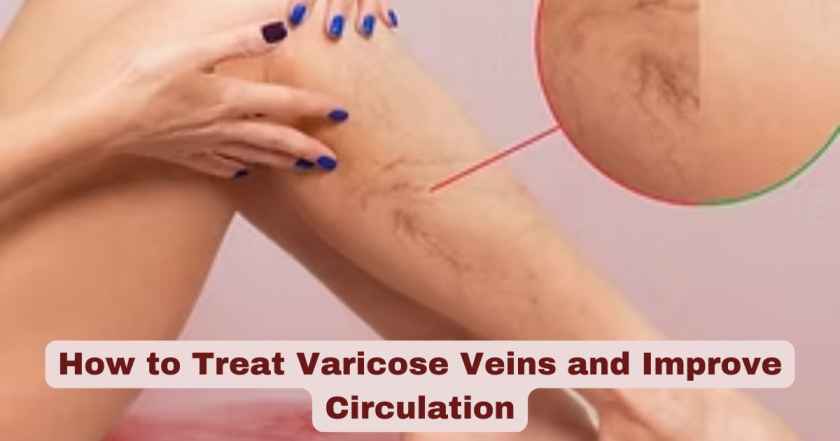
Varicose veins can be more than just a cosmetic concern: they can cause discomfort, disrupt daily activities, and even lead to more serious health issues if left untreated. Many of us may find ourselves searching for a vein specialist near me when symptoms worsen or when lifestyle changes alone no longer provide relief. Understanding how to properly manage and treat varicose veins can make a significant difference in our circulation, comfort, and overall well-being.
In this text, we’ll explore the causes and symptoms of varicose veins, break down the most effective treatment options available today, and discuss practical steps we can take to improve our condition. By becoming informed and proactive, we can confidently take control of our vascular health and move toward lasting relief.
Understanding Varicose Veins
Varicose veins are enlarged, twisted veins that usually appear blue or dark purple. They commonly occur in the legs and may cause a variety of symptoms that can affect our daily lives.
Causes and Risk Factors
The development of varicose veins is primarily linked to valve dysfunction within the veins. When these valves fail to close properly, blood can pool in the veins, causing them to enlarge. Various factors can increase our risk, including:
● Genetic predisposition: A family history of varicose veins can make us more susceptible.
● Hormonal changes: Fluctuations in hormones, particularly during pregnancy or menopause, can contribute to vein issues.
● Age: As we age, our vein elasticity decreases, increasing the likelihood of varicosities.
● Lifestyle factors: Prolonged standing, obesity, and lack of physical activity can exacerbate the condition.
Symptoms and Diagnosis
Symptoms of varicose veins may include:
● Swelling and heaviness in the legs.
● Aching or throbbing pain in the affected areas.
● Itching or skin changes near the veins.
Diagnosis typically involves a physical examination and may include an ultrasound to assess the blood flow and identify underlying issues.
Treatment Options for Varicose Veins
The good news is that several treatment options are available to alleviate the discomfort caused by varicose veins and improve circulation.
Lifestyle Changes to Improve Circulation
Making adjustments to our lifestyle can significantly help manage varicose veins. Here are some effective strategies:
● Exercise regularly: Activities like walking, swimming, and cycling enhance circulation and help maintain healthy weight.
● Elevate our legs: Whenever possible, elevating our legs can reduce pressure on the veins.
● Wear compression stockings: These stockings can apply pressure to the legs, promoting better blood flow and reducing swelling.
● Stay hydrated: Proper hydration helps our blood maintain a healthy viscosity, which can improve circulation.
Home Remedies and Natural Approaches
Plus to medical treatments, we can incorporate some home remedies to alleviate symptoms:
● Apple cider vinegar: Topical application of diluted apple cider vinegar can help reduce swelling.
● Herbal remedies: Horse chestnut extract is known to help with vein health and reduce discomfort.
● Dietary changes: A diet rich in fiber can prevent constipation and reduce additional stress on veins.
Preventive Measures for Varicose Veins
Prevention is crucial in managing varicose veins. Here are some effective measures we can take to minimize the risks:
● Maintain a healthy weight: Reducing excess weight decreases pressure on our veins.
● Limit prolonged standing or sitting: Taking breaks to move around encourages healthy blood flow.
● Avoid tight clothing: Wearing loose-fitting clothes helps maintain good circulation.
● Stay active: Regular movement keeps our blood circulating and our veins healthy.
Conclusion
Treating varicose veins involves a combination of lifestyle changes, medical treatments, and preventive measures. By understanding our risk factors and symptoms, we can take proactive steps to improve circulation and overall vein health. Whether it’s through exercise, medical interventions, or natural remedies, addressing varicose veins can lead to significant improvements in our quality of life. Together, let’s commit to managing this condition effectively, for a healthier, more active future.