
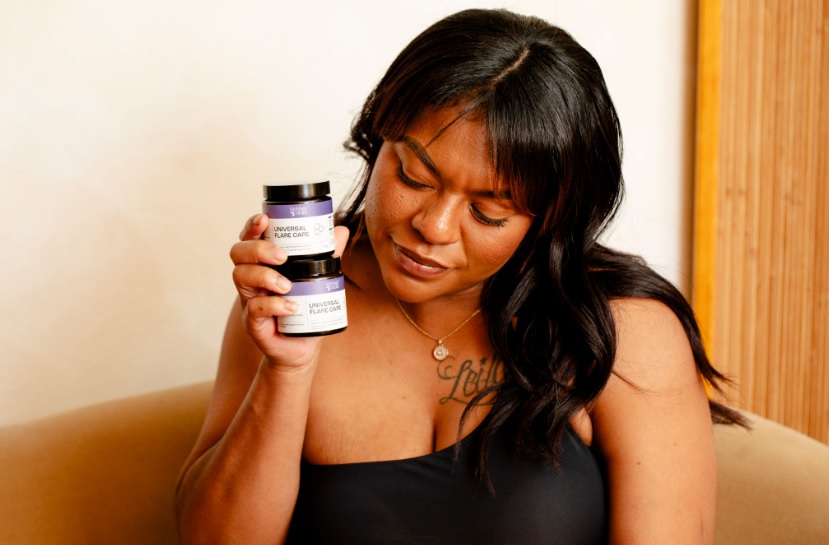
Building a daily skin care routine for flare-prone skin is not about using more products. In my experience, reactive skin often does better with fewer steps, calmer formulas, and steady habits.
Flare-prone skin can feel dry, tight, itchy, red, rough, or easily irritated. Some people deal with eczema-prone skin, while others notice redness, stinging, or sensitivity after using certain products. The goal is not to chase perfect skin. The goal is to protect the skin barrier and reduce avoidable triggers.
A simple routine can make daily care feel less stressful.
What Does Flare-Prone Skin Need Most?
Flare-prone skin usually needs three things: gentle cleansing, steady moisture, and fewer irritants.
The skin barrier acts like a shield. When it feels weak or dry, the skin may react faster to weather, sweat, friction, fragrance, harsh cleansers, or strong active ingredients. Dermatology guidance often focuses on moisture, fragrance-free products, gentle bathing, and trigger awareness for sensitive or eczema-prone skin.
I like to think of this type of routine as a comfort routine, not a correction routine. The aim is to keep the skin calm enough to recover.
Morning Routine for Flare-Prone Skin
Your morning routine should be light, gentle, and protective.
Cleanse gently or rinse with lukewarm water
If your skin feels dry in the morning, you may not need a full cleanse. A lukewarm rinse can be enough. If your skin feels oily or has product left from the night before, use a mild cleanser that does not leave your face tight.
Avoid hot water. It can make dryness and irritation feel worse. A soft towel is best, and I prefer patting the skin instead of rubbing it.
Apply a simple moisturizer
Moisturizer is one of the most important parts of a flare-prone skin routine. It helps reduce dryness and supports the skin barrier. The National Eczema Association notes that moisturizing helps lock water into the skin and supports the barrier, especially after bathing or washing.
Choose a moisturizer that feels comfortable and does not sting. Creams and ointments may suit very dry skin, while lighter lotions may suit skin that feels oily but still sensitive.
Use sunscreen before going outside
Sunscreen matters for sensitive skin because sun exposure can trigger redness and discomfort in some people. The American Academy of Dermatology recommends sun protection as part of rosacea-prone skin care and suggests using gentle products that do not irritate the skin.
If sunscreens often sting, try a mineral sunscreen made for sensitive skin. Patch test it before using it across your whole face.
Night Routine for Flare-Prone Skin
Your night routine should focus on removing the day without stripping the skin.
Remove sunscreen and buildup gently
At night, cleanse away sunscreen, sweat, and daily buildup. Use a gentle cleanser and avoid scrubbing tools. If your skin feels very reactive, skip foaming formulas that leave a squeaky-clean feeling.
That tight feeling is not a sign of clean skin. It can be a sign that the skin barrier has been stripped.
Moisturize while skin feels slightly damp
After cleansing, I like to apply moisturizer while the skin is still slightly damp. This can help seal in moisture. Dermatology groups often recommend applying moisturizer soon after bathing or washing to reduce water loss from the skin.
Use enough product to make the skin feel comfortable, not greasy or overloaded.
Skip strong actives when skin feels irritated
Retinoids, exfoliating acids, vitamin C, and acne treatments can be useful for some people, but flare-prone skin may not tolerate them every day.
If your skin is stinging, peeling, or red, pause strong actives and return to basics. Cleanser, moisturizer, and sunscreen are enough until the skin feels steady again.
What to Avoid If Your Skin Flares Easily
Some habits can make flare-prone skin harder to manage.
Fragrance and harsh scrubs
Fragrance is a common problem for sensitive skin. The AAD recommends choosing products labeled fragrance-free and explains that “unscented” products may still contain fragrance used to mask odor.
Harsh scrubs can also cause friction. If your skin already feels rough or inflamed, scrubbing can make it feel worse.
Too many new products at once
Adding several new products at the same time makes it hard to know what caused a reaction. I prefer testing one product at a time.
Patch testing is a smart habit. The AAD recommends testing new skin care products before full use because many ingredients can trigger a flare in sensitive skin.
Hot water and rubbing
Hot showers, rough towels, and heavy rubbing can all disturb reactive skin. Keep water lukewarm and touch the skin gently.
Small changes like these can make a routine easier to maintain.
What to Do on Flare Days
A flare day is not the time to experiment.
When my skin feels angry, I go back to the basics: gentle cleansing, plain moisturizer, and sun protection if I need to go outside.
Avoid exfoliating, masking, shaving over irritated areas, or testing new products during a flare. Give the skin fewer things to process.
If your flare is painful, spreading, infected-looking, or not improving, speak with a dermatologist. Skin conditions can look similar, and the right care depends on the cause.
How to Choose Products for Flare-Prone Skin
Product choice matters, but simple is usually better.
Look for words like fragrance-free, gentle, sensitive skin, barrier support, and non-irritating. Avoid products that rely on strong scent, harsh alcohol, gritty exfoliants, or long lists of actives.
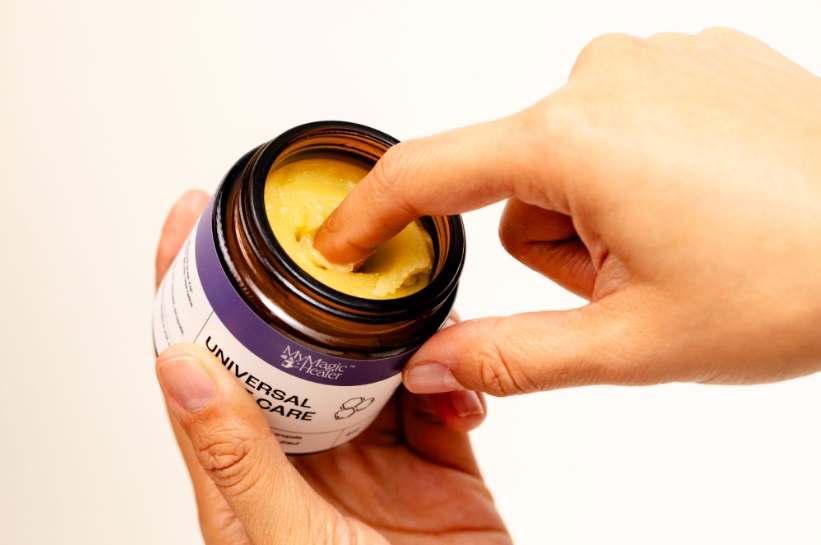
For readers comparing gentle, comfort-focused options, my magic healer skin care can be included as part of a simple routine when the formula suits your skin and has been patch tested first.
A good product should feel calm on the skin. If it burns, stings, or makes redness worse, stop using it and return to your basic routine.