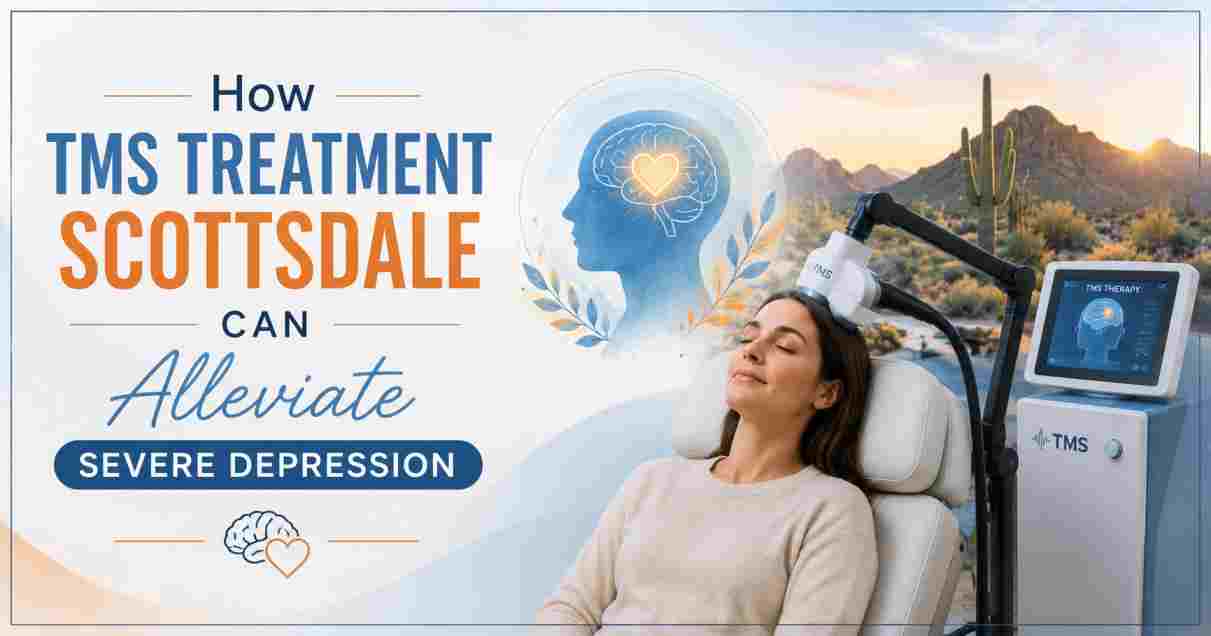
Severe depression can be debilitating, affecting every aspect of a person’s life. Traditional therapies, while effective for many, don’t work for everyone. Fortunately, there is a revolutionary treatment option available in Scottsdale: Transcranial Magnetic Stimulation (TMS). This innovative therapy offers hope to those who have not found relief through medication or talk therapy. In this article, we’ll explore what makes TMS a groundbreaking treatment for severe depression, how it functions, the evidence supporting its effectiveness, and how you can find the right TMS center in Scottsdale to meet your needs.
TMS Treatment: A Revolutionary Approach to Severe Depression
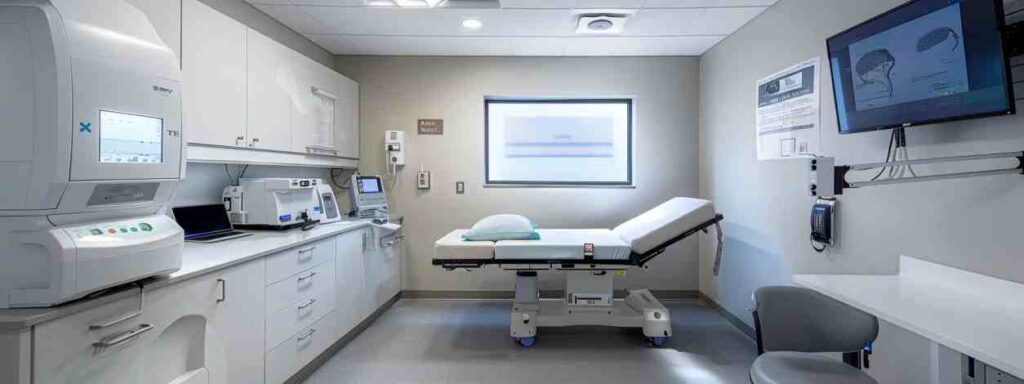
TMS therapy is a non-invasive procedure that uses magnetic fields to stimulate nerve cells in the brain. This approach is especially beneficial for patients who have not responded to traditional treatments like Cognitive Behavioral Therapy (CBT) Software or medication. By targeting specific areas of the brain associated with mood control, TMS helps alleviate symptoms of depression. The use of this technology is guided by Evidence-Based Practice Guidelines, ensuring that it is both safe and effective. Many individuals turn to TMS Treatment Scottsdale as a viable option for relief.
Unlike other treatments, TMS does not require anesthesia and has minimal side effects, making it an attractive option for many individuals. Patients undergoing TMS can continue their daily activities immediately after sessions, which is a significant advantage over more invasive procedures. With the integration of advanced Psychometric Assessment Tools, therapists can tailor TMS sessions to each individual’s needs, enhancing the therapeutic alliance metrics and optimizing outcomes.
How TMS Therapy Works to Rewire the Brain
The science behind TMS therapy involves the use of magnetic pulses to stimulate the prefrontal cortex of the brain. This area is often underactive in individuals suffering from depression. By activating these neurons, TMS helps to rewire the brain’s neural pathways, promoting healthier brain activity. This process aligns with the Trauma-Informed Care Model, which emphasizes understanding and addressing the impact of trauma on mental health.
Each TMS session typically lasts about 30 to 40 minutes, and patients usually undergo a series of treatments over several weeks. Throughout this period, therapists monitor progress using Therapeutic Alliance Metrics to ensure the effectiveness of the treatment. This method provides a structured framework that supports the client’s overall mental wellness and complements other therapeutic approaches, such as Dialectical Behavior Therapy (DBT) Skills Training.
Evidence Supporting TMS Effectiveness for Depression Relief
A wealth of research supports the effectiveness of TMS in treating severe depression. Studies have shown that TMS can significantly reduce depressive symptoms in patients who do not respond to standard therapies. According to a recent study published in the National Library of Medicine, approximately 50% to 60% of patients with treatment-resistant depression experience a meaningful improvement in their symptoms after undergoing TMS therapy.
Moreover, TMS is recognized for its ability to maintain long-term benefits, with many patients reporting sustained relief from depressive symptoms. The treatment’s success is largely attributed to its foundation in Evidence-Based Practice Guidelines, which emphasize the importance of scientific validation. This evidence-based approach ensures that TMS remains an integral part of Integrated Behavioral Health Services, offering a holistic treatment option for those struggling with severe depression.
Finding TMS Treatment Centers in Scottsdale for Your Needs
When seeking TMS therapy, it’s essential to choose a reputable center that aligns with your therapeutic goals. In Scottsdale, several centers offer TMS treatment, each with unique strengths. It’s important to consider factors such as the Clinical Supervision Framework employed and the center’s adherence to Mental Health Parity Compliance. A facility that prioritizes a Client-Centered Approach Protocol will be more likely to tailor treatment plans to your specific needs.
For those considering TMS Treatment Scottsdale, it’s crucial to evaluate the qualifications of the medical team and the technology they use. Centers that integrate cutting-edge Psychometric Assessment Tools with their TMS sessions provide a more comprehensive treatment experience. According to the American Psychiatric Association, centers that follow DSM-5 Diagnostic Criteria ensure that all treatments are aligned with the latest standards in mental health care.
Conclusion

Severe depression poses significant challenges, but TMS therapy offers a promising solution for those who have not found relief through traditional methods. By targeting specific brain areas, TMS effectively alleviates depressive symptoms and enhances overall mental health. For those in Scottsdale, finding a dedicated TMS treatment center can be the first step toward a brighter future. Consider exploring TMS Treatment Scottsdale to discover how this revolutionary therapy can transform your mental health journey.