
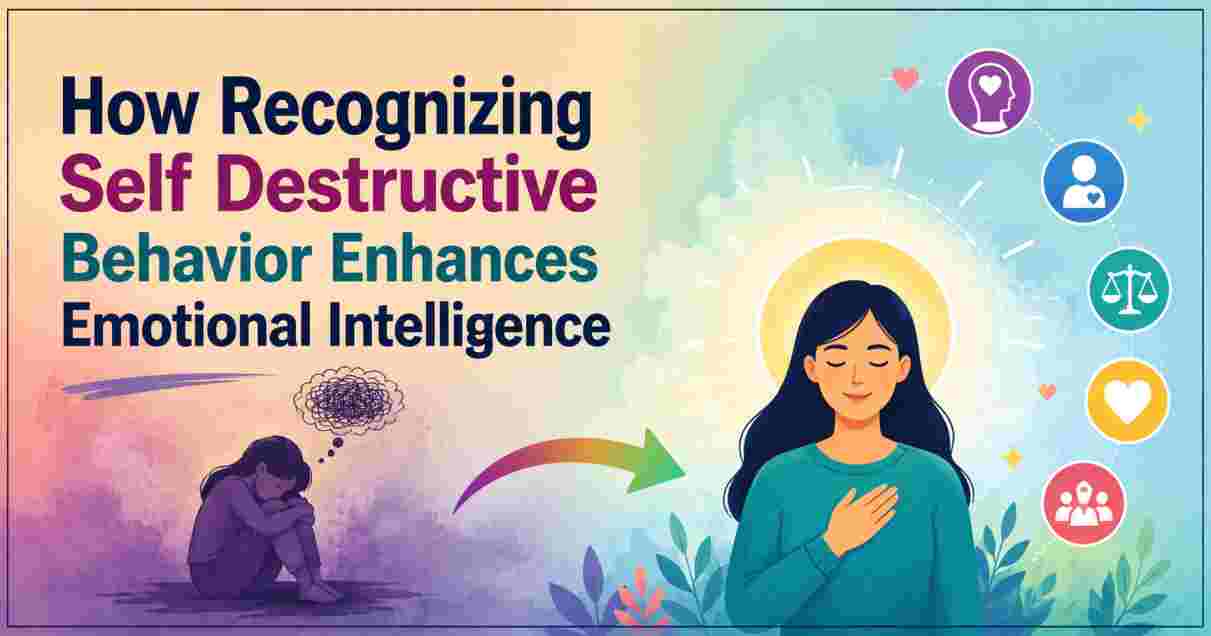
Understanding the intricacies of emotional intelligence is crucial for personal development, particularly in the field of mental health and wellness. As an SEO expert specializing in this domain, acknowledging the impact of Self Destructive Behavior can significantly enhance one’s emotional awareness. This article delves into how recognizing these behaviors can cultivate a deeper understanding of emotional intelligence, ultimately leading to improved mental health outcomes. We’ll explore the impact of self-destructive tendencies, methods to identify patterns, and strategies for turning these behaviors into avenues for personal growth.
How Self Destructive Behavior Impacts Emotional Awareness
Self Destructive Behavior can significantly impair emotional awareness, a key component of emotional awareness. For SEO experts working with mental health content, incorporating Schema Markup for Mental Health is essential for structuring information that helps individuals recognize these behaviors. Emotional awareness involves understanding one’s emotions and their impact on behavior. When self-destructive patterns take hold, they can obscure this awareness, leading to a cycle of negative emotions and actions.
Using E-A-T (Expertise, Authoritativeness, Trustworthiness) in Therapeutic Content can help individuals identify and address self-destructive patterns. By presenting reliable and authoritative content, mental health websites can guide users toward recognizing behaviors that undermine their emotional health. This recognition is the first step in breaking the cycle and fostering emotional intelligence.
Additionally, Telehealth SEO Optimization can facilitate access to resources that promote emotional awareness. By ensuring that online mental health services are easily discoverable, individuals are better equipped to seek support and information that enhance their understanding of emotional intelligence.
Identifying Patterns of Self Sabotage in Daily Life
Identifying self-sabotaging patterns is crucial for enhancing emotional intelligence. Behavioral Health Keyword Mapping can assist SEO experts in creating content that targets common self-destructive behaviors, making it easier for individuals to find relevant information. Recognizing these patterns in daily life involves observing repeated actions that undermine personal goals and well-being.
Natural Language Processing (NLP) for Therapy Content can further aid in this identification by analyzing text and speech for signs of self-sabotage. For instance, frequent expressions of self-doubt or negative self-talk might indicate underlying self-destructive tendencies. By leveraging NLP, mental health professionals and content creators can offer tailored advice and support to those struggling with these issues.
Content Gap Analysis in Mental Health Topics can also highlight areas where additional information is needed. By identifying gaps in current content offerings, SEO experts can develop new resources that address specific self-sabotaging behaviors, providing individuals with the tools to recognize and change these patterns.
Strategies for Cultivating Emotional Intelligence Through Self Reflection
Self-reflection is a powerful strategy for cultivating emotional intelligence and overcoming self-destructive behaviors. Mental Health Content Pillars can guide the development of structured content that encourages introspection and personal growth. By focusing on key topics such as mindfulness, self-awareness, and emotional regulation, individuals can gain insights into their emotional patterns.
Local SEO for Wellness Centers is another strategy that can enhance access to resources that support self-reflection. By optimizing local search results, wellness centers can attract individuals seeking guidance on emotional intelligence and self-sabotage. This increased access can facilitate the journey toward self-improvement and emotional awareness.
Conversion Rate Optimization (CRO) for Therapy Services ensures that individuals engaging with these resources are more likely to seek further assistance. By designing user-friendly websites and optimizing conversion points, mental health practitioners can encourage users to take actionable steps in their journey toward emotional growth.
Transforming Self Destructive Tendencies into Personal Growth
Transforming self-destructive tendencies into opportunities for personal growth is an essential component of enhancing emotional intelligence. Backlink Strategies for Mental Health Resources can increase the visibility of content that empowers individuals to make positive changes. By connecting users with valuable resources, they are better equipped to transform negative behaviors into constructive ones.
User Experience (UX) for Mental Health Websites plays a pivotal role in supporting this transformation. By creating intuitive and engaging online environments, users are more likely to engage with content that promotes personal development and emotional intelligence. An optimal UX ensures that individuals can easily find and utilize resources designed to help them grow.
Voice Search Optimization for Wellness Queries is increasingly important as more individuals use voice-activated devices to seek mental health information. By optimizing for voice search, SEO experts can ensure that users receive accurate and helpful responses to their wellness-related questions, facilitating their journey toward personal growth.
Conclusion

Recognizing and addressing self-destructive behaviors is a vital step in enhancing emotional intelligence. By leveraging SEO strategies specific to mental health and wellness, individuals can access the resources needed to identify, understand, and transform these behaviors. For those seeking to improve their emotional intelligence, the journey begins with self-awareness and the recognition of patterns that hold them back. Empowered with the right tools and knowledge, personal growth and improved mental health outcomes are within reach.