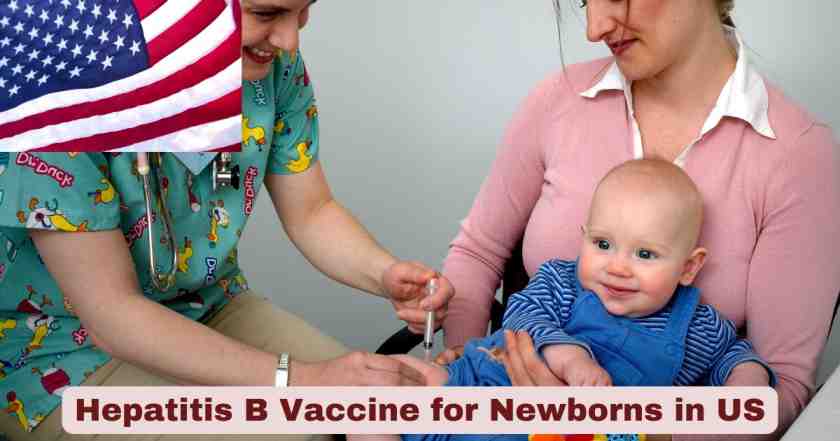
Benefits of Hepatitis B Vaccine for Newborns 2025
The hepatitis B vaccine represents one of the most significant public health achievements in protecting newborns from a potentially life-threatening viral infection. Administered within 24 hours of birth, this vaccine serves as the cornerstone of preventing mother-to-child transmission of the hepatitis B virus, which attacks the liver and can lead to chronic infection, cirrhosis, liver cancer, and premature death. Since the universal birth dose recommendation was implemented in 1991, the United States has witnessed a remarkable 99% reduction in acute hepatitis B infections among children and young people, preventing more than 500,000 childhood infections over three decades. The vaccine’s effectiveness stems from its ability to trigger the infant’s immune system to produce protective antibodies before potential exposure, creating a critical safety net that protects vulnerable newborns whose mothers’ infection status may be unknown or incorrectly documented at delivery.
The importance of the hepatitis B birth dose vaccine extends beyond immediate protection. Research demonstrates that infants who receive the birth dose achieve higher rates of completing the full three-dose vaccine series, ensuring long-term immunity that lasts into adulthood. Without timely vaccination, approximately 90% of infants infected with hepatitis B virus will develop chronic infection, compared to only 25-30% of children infected between ages 1-5 years and just 10% of adults. This stark difference underscores why the first hours after birth represent such a critical window for intervention. One in four chronically infected infants will eventually die from liver-related complications decades later. The hepatitis B vaccine contains only viral proteins rather than live virus, making it extremely safe for newborns, with decades of safety data from millions of doses administered worldwide confirming its protective benefits far outweigh any minimal risks.
Interesting Hepatitis B Vaccine Facts & Latest Statistics in the US 2025
| Hepatitis B Vaccine Fact | 2025 US Data | Key Information |
|---|---|---|
| Acute Hepatitis B Cases 2023 | 2,214 reported cases | Estimated 14,400 actual infections |
| Reduction Since 1991 | 99% decrease | Among children and young people |
| Childhood Infections Prevented | Over 500,000 cases | Between 1991-2025 |
| Perinatal Cases 2023 | 7 cases reported | Nationwide transmission |
| Birth Dose Coverage Rate | 80% of newborns | One in five miss timely vaccination |
| Infants at Risk Annually | 17,827 infants born in 2021 | To HBsAg-positive mothers |
| Chronic Infection Risk (Infants) | 90% without prophylaxis | Compared to 10% in adults |
| Deaths from Chronic HBV 2023 | 1,769 deaths | Age-adjusted rate 0.44 per 100,000 |
| PHBPP Infants Managed 2022 | 7,327 infants identified | Across 64 jurisdictions |
| Prophylaxis Within 12 Hours | 92% received | Vaccine plus HBIG when indicated |
| Three-Dose Series Completion | 86% by age 12 months | Among exposed infants |
| Post-Vaccination Testing | 65% received | Of exposed infants |
| ACIP Vote December 2025 | 8-3 decision | Reversed universal birth dose |
| Global Birth Dose Coverage | 45% of infants worldwide | In 2024 |
| Chronic HBV Globally | 254 million people | Living with infection |
Data source: CDC 2023 Viral Hepatitis Surveillance Report (April 2025), CDC Perinatal Hepatitis B Prevention Program 2022 Birth Cohort, CDC ACIP Meeting Minutes (December 2025), World Health Organization Global Hepatitis Report 2024
The data presented reveals both the remarkable success and emerging challenges surrounding hepatitis B vaccination in the United States. While the 99% reduction in acute hepatitis B infections among children since 1991 stands as one of public health’s greatest victories, the December 2025 Advisory Committee on Immunization Practices (ACIP) vote to reverse universal birth dose recommendations has created unprecedented controversy. The committee voted 8-3 to recommend that mothers who test negative for hepatitis B can now discuss with healthcare providers whether their baby should receive the birth dose at all or delay it until two months of age. This decision overturns 34 years of established policy that successfully reduced perinatal transmission to just 7 cases nationwide in 2023, down from hundreds annually before universal vaccination.
The statistics underscore both the program’s effectiveness and remaining vulnerabilities. In 2023, the United States reported 2,214 acute hepatitis B cases, representing an estimated 14,400 actual infections after adjusting for underreporting. The birth dose coverage rate of 80% means one in five newborns still miss timely vaccination, leaving approximately 20% of infants unprotected during the critical window when infection risk proves highest. Among the 17,827 infants born to HBsAg-positive mothers in 2021, the Perinatal Hepatitis B Prevention Program successfully managed 7,327 infants in 2022, with 92% receiving appropriate prophylaxis within 12 hours and 86% completing the three-dose series by 12 months. However, only 65% received recommended post-vaccination testing, indicating gaps in follow-up care. The 1,769 hepatitis B-related deaths in 2023 translate to an age-adjusted rate of 0.44 per 100,000 population, exceeding the 2025 elimination target of 0.37 deaths per 100,000.
Hepatitis B Transmission Routes and Risk Factors in the US 2025
| Transmission Route | Infection Risk | Population Impact |
|---|---|---|
| Mother-to-Child (Perinatal) | 90% chronic infection rate | Primary source of chronic HBV globally |
| Sexual Contact | Varies by exposure | Leading route for adult acquisition |
| Blood Exposure | High transmission efficiency | Healthcare workers at elevated risk |
| Household Contact | Can transmit via dried blood | Virus survives up to 7 days on surfaces |
| Injection Drug Use | Significant transmission route | Needle sharing spreads infection |
| Hemodialysis | Elevated risk | Requires special vaccination protocol |
| Healthcare Workers | Occupational exposure | Blood/body fluid contact |
| Children Under 10 | 50% from non-maternal sources | Before universal vaccination era |
| Adults with Chronic HBV | 640,000 estimated | About 50% unaware of infection |
| Asymptomatic Carriers | Years without symptoms | Silent transmission possible |
Data source: CDC Hepatitis B Surveillance 2023, National Institutes of Health, PBS NewsHour Fact-Checking Analysis (December 2025)
Hepatitis B virus transmission occurs through contact with infected blood, semen, vaginal fluids, and other body fluids. The mother-to-child transmission route during childbirth represents the primary source of chronic hepatitis B infections worldwide, with 90% of infected infants developing lifelong chronic infection compared to only 10% of adults. This disparity stems from immature infant immune systems that fail to mount adequate responses to clear the virus. Before universal vaccination, approximately 50% of children under 10 who developed hepatitis B contracted the infection from sources other than their mothers, highlighting the multiple exposure pathways facing young children. The virus exhibits remarkable resilience, surviving on household surfaces for up to seven days in dried blood, enabling transmission through shared items like nail clippers, razors, toothbrushes, or toys.
The 640,000 adults estimated to have chronic hepatitis B in the United States face an additional challenge: approximately 50% remain unaware they are infected and contagious. Hepatitis B infection often proves asymptomatic for years or even decades, allowing silent transmission to family members, sexual partners, and others. Adult acquisition primarily occurs through sexual contact with infected partners, sharing needles or injection equipment, occupational exposure among healthcare workers, and receiving hemodialysis. The December 2025 ACIP committee members who voted to change recommendations argued that vaccinating all babies protects “other, higher risk people” rather than the infants themselves. However, this characterization proves misleading. Vaccination at birth aims primarily to protect newborns, who face the highest risk of developing chronic infection and suffering lifelong consequences. Even when pregnant mothers test negative for hepatitis B, their newborns can encounter the virus through household contacts, childcare settings, or other exposures that parents cannot always control or predict.
Hepatitis B Vaccine Schedule and Dosing in the US 2025
| Age Group | Vaccine Dose | Timing | Product Options |
|---|---|---|---|
| Birth (Within 24 Hours) | First Dose | Before hospital discharge | Engerix-B, Recombivax HB |
| 1–2 Months | Second Dose | 1–2 months after first | Single-antigen or combination |
| 6–18 Months | Third Dose | At least 16 weeks after first | Complete series |
| Adults 19–59 Years | Three-Dose Series | 0, 1, 6 months | Engerix-B, Recombivax HB, Heplisav-B |
| Adults (Accelerated) | Two-Dose Series | 0, 1 month | Heplisav-B only |
| High-Risk Infants | Vaccine + HBIG | Within 12 hours of birth | Dual prophylaxis |
| Hemodialysis Patients | Higher Dose | 40 mcg Recombivax HB | Three doses at 0, 1, 6 months |
| Immunocompromised | Higher Dose | Double standard dose | May require additional doses |
| Combination Vaccine | Twinrix (Hep A + B) | 0, 1, 6 months | Adults 18+ years |
| Protection After Series | Greater than 95% | Lifelong immunity | For healthy individuals |
Data source: CDC Hepatitis B Vaccine Administration Guidelines (September 2025), CDC Immunization Schedules 2024, MMWR Recommendations 2022
The standard hepatitis B vaccination schedule for infants consists of three doses: the birth dose administered within 24 hours of delivery, a second dose at 1-2 months, and a third dose at 6-18 months of age. This schedule applies to healthy term infants weighing more than 2,000 grams at birth. For infants born to HBsAg-positive mothers (mothers with chronic hepatitis B), both hepatitis B vaccine and hepatitis B immune globulin (HBIG) must be administered within 12 hours of birth. The HBIG provides immediate passive immunity, while the vaccine stimulates active immune response development. These high-risk infants require post-vaccination serologic testing at 9-12 months to confirm successful immunization, checking for both HBsAg (to rule out infection) and anti-HBs antibodies (to confirm protective immunity).
Three single-antigen hepatitis B vaccines currently protect Americans: Engerix-B and Recombivax HB are approved for all ages including newborns, while Heplisav-B is licensed for adults 18 years and older only. In November 2024, manufacturer VBI Vaccines initiated a voluntary nationwide recall of PreHevbrio vaccine due to corporate restructuring and discontinuing operations. However, this recall does not reflect safety concerns, and patients who received PreHevbrio as their first dose can seamlessly complete their series with Engerix-B, Recombivax HB, or Heplisav-B. The Heplisav-B vaccine offers an accelerated two-dose schedule at 0 and 1 month for adults, compared to the traditional three-dose schedule at 0, 1, and 6 months. More than 95% of healthy people achieve protective immunity after completing the full vaccination series, with protection generally lasting a lifetime. For immunocompromised individuals, including those receiving hemodialysis, higher vaccine doses of 40 mcg (compared to standard 10-20 mcg) are recommended, and post-vaccination serologic testing confirms adequate antibody response.
December 2025 ACIP Recommendation Change Controversy in the US 2025
| Aspect | Previous Policy (1991-2025) | New Recommendation (December 2025) |
|---|---|---|
| Universal Birth Dose | All newborns vaccinated | Only high-risk infants guaranteed vaccination |
| Mothers Testing Negative | Birth dose recommended | Shared decision-making with provider |
| Timing for Low-Risk Infants | Within 24 hours of birth | Delay possible until 2+ months |
| ACIP Vote Result | N/A | 8-3 to change recommendations |
| Committee Composition | Traditional expert panel | Members appointed by RFK Jr. in June |
| Medical Society Response | N/A | Strong opposition from AAP, AMA, IDSA |
| Insurance Coverage | Guaranteed under ACA | Coverage continues regardless of vote |
| Scientific Justification | Evidence-based | Critics say lacks scientific basis |
| Second Vote (Antibody Testing) | Standard three-dose series | 6-4 vote for post-dose antibody testing |
| Implementation Status | Established standard | Awaiting CDC Director endorsement |
Data source: CDC ACIP Meeting Minutes (December 4-5, 2025), CNN Health News (December 2025), NPR Shots Health News (December 2025), STAT News (December 2025)
The December 5, 2025 Advisory Committee on Immunization Practices vote to overturn 34 years of universal birth dose recommendations has sparked intense controversy and widespread condemnation from the medical community. The committee voted 8-3 to recommend that mothers who test negative for hepatitis B during pregnancy should discuss with healthcare providers whether to give their baby the hepatitis B vaccine at birth, delay it until at least two months of age, or forgo it entirely. This recommendation maintains the existing guidance for infants born to HBsAg-positive mothers or mothers with unknown infection status, who should still receive the birth dose within 24 hours. The vote came after more than a day of contentious discussion marked by misinterpreted data, confusion about voting language, and passionate pleas from public health liaison representatives to maintain the longstanding policy.
The composition of the committee itself has become a focal point of criticism. Health Secretary Robert F. Kennedy Jr. fired all previous ACIP members in June 2025 and replaced them with a new panel that has largely expressed skepticism toward vaccines. Kennedy, a prominent anti-vaccine activist, has repeatedly and falsely claimed that vaccines may be linked to autism, including stating on podcasts that the hepatitis B birth dose was a “likely culprit” in autism cases—a claim thoroughly debunked by multiple large-scale studies. The new panel includes members like Vicky Pebsworth, a nurse and board member of the National Vaccine Information Center (an advocacy group that questions vaccine safety), who led the ACIP subgroup reviewing hepatitis B policy. The vote has fractured American immunization policy, with major medical organizations including the American Academy of Pediatrics, American Medical Association, Infectious Diseases Society of America, and American Association of Immunologists issuing statements strongly opposing the change and pledging to continue recommending universal birth dose vaccination. Senator Bill Cassidy (R-Louisiana), a physician whose support proved critical for Kennedy’s Senate confirmation, wrote on social media: “As a liver doctor who has treated patients with hepatitis B for decades, this change to the vaccine schedule is a mistake. This makes America sicker.”
Medical Community Response to ACIP Vote in the US 2025
| Organization | Position | Key Statement |
|---|---|---|
| American Academy of Pediatrics | Strongly Opposes | Will continue recommending universal birth dose |
| American Medical Association | Rejects Change | “Not based on scientific evidence” |
| Infectious Diseases Society of America | Opposes | Continues routine newborn vaccination |
| American Association of Immunologists | Extremely Disappointed | “Dangerous departure from decades of achievement” |
| Lurie Children’s Hospital Chicago | Maintains Policy | Following Chicago/Illinois health departments |
| Senator Bill Cassidy (R-LA) | Urges Rejection | “This makes America sicker” |
| Insurance Companies | Coverage Continues | No change to coverage policies |
| State Health Departments | Mixed Response | Some ignoring ACIP, following professional societies |
| President Trump | Supports Decision | Called it “a very good decision” |
| National Association of County Health Officials | Concerned | Bracing for public health impact |
Data source: CIDRAP (December 2025), CNN (December 2025), NBC News (December 2025), Nature (December 2025), BMJ (December 2025)
The medical community’s response to the December 2025 ACIP vote has been swift, unanimous, and forceful in opposition. The American Academy of Pediatrics released a statement from President Dr. Susan J. Kressly declaring: “This irresponsible and purposely misleading guidance will lead to more hepatitis B infections in infants and children. I want to reassure parents and clinicians that there is no new or concerning information about the hepatitis B vaccine that is prompting this change, nor has children’s risk of contracting hepatitis B changed. Instead, this is the result of a deliberate strategy to sow fear and distrust among families.” The American Medical Association, through trustee Sandra Fryhofer, stated unequivocally: “Today’s action is not based on scientific evidence, disregards data supporting the effectiveness of the Hepatitis B vaccine, and creates confusion for parents about how best to protect their newborns.”
Major healthcare institutions have announced they will disregard the new ACIP recommendations and continue following the longstanding universal birth dose policy. Lurie Children’s Hospital of Chicago will continue recommending hepatitis B vaccines to newborns within 24 hours of delivery, as recommended by Chicago and Illinois health departments. Private insurance companies including BlueCross BlueShield and member organizations of AHIP (America’s Health Insurance Plans) have confirmed they will continue covering the birth dose with no cost-sharing through the end of 2026 and beyond. Coverage under Medicaid, the Children’s Health Insurance Program, and the Vaccines for Children program remains unchanged. However, public health experts worry that weakening the recommendation creates confusion for providers and patients, potentially leading to fewer babies receiving timely vaccination. Dr. Natasha Bagdasarian, representing the Association of State and Territorial Health Officials, warned: “Adding excessive or ambiguous language around shared decision-making muddies the waters, creates a false sense of scientific uncertainty, and places barriers to care. Many health care providers interpret it as a sign a vaccine is controversial, or that they may be exposed to additional liabilities.”
Hepatitis B Vaccine Safety Profile in the US 2025
| Safety Aspect | Evidence | Key Finding |
|---|---|---|
| Overall Safety Record | Decades of data | Administered to millions safely |
| Severe Adverse Events | Extremely rare | Less than 1 per million doses |
| Infant Death Association | No increased risk | Multiple studies show no link |
| Fever/Sepsis Risk | No increased risk | Birth dose doesn’t elevate rates |
| Multiple Sclerosis Link | No association | Thoroughly studied and debunked |
| Autoimmune Conditions | No association | No credible evidence of link |
| Autism Link | Definitively disproven | Multiple large studies confirm no connection |
| Neonatal Period Safety | Extensively studied | Safe during critical development window |
| Anaphylaxis Rate | 1.1 per million doses | Treatable if occurs |
| Local Reactions | Common, mild | Pain, redness at injection site |
| Waiting vs. Immediate | No safety benefit | No evidence supporting delayed vaccination |
| Vaccine Injury Reporting | Monitored continuously | Through VAERS surveillance system |
Data source: CDC Vaccine Safety Information 2025, Multiple Peer-Reviewed Studies, NPR Fact-Checking Analysis (December 2025), CBS News Medical Review (December 2025)
The hepatitis B vaccine boasts an exceptional safety profile backed by decades of real-world experience and rigorous scientific research. The vaccine has been safely administered to millions of newborns worldwide since the 1980s, with extensive post-licensure surveillance confirming its safety. Multiple large-scale studies definitively show the birth dose is not associated with any increased risk of infant death, fever, sepsis, multiple sclerosis, or autoimmune conditions. Severe reactions to the vaccine are extraordinarily rare, occurring in less than 1 per million doses. Anaphylaxis, the most serious potential reaction, occurs at a rate of approximately 1.1 per million doses and is treatable when medical professionals recognize it promptly. Common side effects include mild, temporary local reactions at the injection site—pain, redness, or swelling—that resolve within days without intervention.
The autism claim repeatedly promoted by vaccine critics, including Health Secretary Robert F. Kennedy Jr., has been thoroughly and definitively debunked by multiple large-scale epidemiological studies involving hundreds of thousands of children. No credible scientific evidence supports any link between hepatitis B vaccination and autism spectrum disorders. Some ACIP committee members expressed concern about vaccinating during the “neonatal period, a critical window of development for the brain and immune system,” despite the fact that the hepatitis B vaccine has been safely given to newborns for over 30 years without evidence of harm to development. Research also demonstrates there is no evidence of any safety benefit in waiting until a child is older to begin vaccination. During the December 2025 ACIP meeting, committee member Dr. Cody Meissner, a pediatrics professor who previously served on the FDA vaccines panel, stated emphatically: “We’ve heard ‘do no harm’ as a moral imperative. We are doing harm by changing this wording.” He added that he saw clear evidence of the benefits of universal hepatitis B birth dose vaccination but not the harms claimed by those advocating for the policy change.
Hepatitis B Disease Burden and Complications in the US 2025
| Complication | Risk/Impact | Population Affected |
|---|---|---|
| Chronic Infection (Infants) | 90% of infected newborns | Without timely vaccination |
| Chronic Infection (Adults) | 10% of infected adults | Much lower chronicity rate |
| Newly Reported Chronic HBV | 17,650 cases in 2023 | Rate of 6.1 per 100,000 |
| Premature Death | 25% of chronic cases | Die from liver disease/cancer |
| Cirrhosis | Major complication | Liver scarring and failure |
| Liver Cancer | Leading cause globally | Hepatocellular carcinoma |
| Liver Transplant Need | Advanced disease | Limited organ availability |
| Asymptomatic Period | Years to decades | Silent disease progression |
| Non-Hispanic Asian/Pacific Islander | 18.9 per 100,000 | 9.9 times higher than whites |
| Ages 30-49 | 46% of chronic cases | Peak age for new diagnoses |
| Global Chronic HBV | 254 million people | Worldwide disease burden |
| Daily Deaths Worldwide | 3,500 people | From viral hepatitis complications |
Data source: CDC 2023 Viral Hepatitis Surveillance Report (April 2025), WHO Global Hepatitis Report 2024, CDC National Profile 2023
Hepatitis B virus causes both acute and chronic liver infection, with dramatically different outcomes depending on age at infection. The most critical distinction lies in chronicity rates: 90% of infants infected with hepatitis B during the perinatal period develop chronic lifelong infection, compared to only 25-30% of young children infected between ages 1-5 years and just 10% of adults infected after age five. This inverse relationship between age and chronicity explains why birth dose vaccination proves so essential—preventing infection during the period of highest risk for lifelong consequences. Among those who develop chronic hepatitis B, approximately 25% will eventually die prematurely from complications including cirrhosis, liver failure, and hepatocellular carcinoma (liver cancer), often decades after initial infection.
In 2023, the United States reported 17,650 newly diagnosed cases of chronic hepatitis B, corresponding to a rate of 6.1 cases per 100,000 population. However, this represents only newly identified cases; the CDC estimates approximately 640,000 adults currently live with chronic hepatitis B infection, with about 50% unaware of their status. The disease disproportionately affects non-Hispanic Asian and Pacific Islander persons, who experience a rate of 18.9 newly reported cases per 100,000—9.9 times higher than the rate among non-Hispanic white persons at 1.9 per 100,000. Peak incidence occurs among persons aged 30-49 years, who combined account for 46% of all newly reported chronic cases. These represent individuals likely infected decades earlier, now presenting with disease manifestations. Globally, approximately 254 million people live with chronic hepatitis B, contributing to 1.3 million deaths annually from liver disease and cancer—approximately 3,500 people every day. Hepatitis B remains the leading cause of liver cancer worldwide, making prevention through vaccination a critical global health priority.
Perinatal Hepatitis B Prevention Program Success in the US 2025
| PHBPP Metric | 2022 Birth Cohort Data | Performance Rate |
|---|---|---|
| Jurisdictions Participating | 64 jurisdictions | All 50 states, DC, territories, major cities |
| Infants Identified | 7,327 infants | Born to HBsAg-positive mothers |
| Birth Dose + HBIG Within 12 Hours | 92% | Appropriate prophylaxis received |
| Missed 12-Hour Window | 8% | Critical gaps in timely treatment |
| Three-Dose Series Completion | 86% by 12 months | High but imperfect adherence |
| Series Non-Completion | 14% | Missed opportunities for protection |
| Post-Vaccination Testing | 65% | Received recommended testing |
| Testing Gap | 35% | Don’t confirm immunity status |
| Documented Infections | 7 cases in 2022 cohort | Among 4,729 tested infants |
| Perinatal Transmission Rate | 0.15% | Among tested exposed infants |
| Perinatal Cases 2023 | 7 total cases nationwide | Dramatic reduction from pre-vaccine era |
| Infections Prevented 1994-2023 | 6 million | Through universal infant vaccination |
| Hospitalizations Prevented | Nearly 1 million | Among children born 1994-2023 |
Data source: CDC Perinatal Hepatitis B Prevention Program 2022 Birth Cohort Report, CDC 2023 Viral Hepatitis Surveillance (April 2025)
The Perinatal Hepatitis B Prevention Program (PHBPP) represents one of the most successful targeted intervention programs in American public health history. Operating across 64 jurisdictions including all 50 states, the District of Columbia, five major cities, and territories, the program identifies infants born to hepatitis B-infected mothers and ensures they receive appropriate post-exposure prophylaxis. In the 2022 birth cohort, the program identified and case-managed 7,327 infants born to mothers with chronic hepatitis B infection. An impressive 92% of these high-risk infants received both the hepatitis B vaccine and hepatitis B immune globulin (HBIG) within the critical 12-hour window after birth, demonstrating excellent adherence to clinical guidelines by hospital staff and rapid response capabilities.
Series completion and follow-up testing represent areas where performance remains strong but not optimal. 86% of exposed infants completed the full three-dose vaccine series by 12 months of age, though the 14% gap represents missed opportunities that could leave some infants vulnerable. Post-vaccination serologic testing, which confirms successful immunization and identifies the rare vaccine non-responders who need additional intervention, was performed in only 65% of exposed infants. The 35% testing gap means more than one-third of high-risk infants do not have documented proof of protective immunity. Among the 4,729 infants in the 2022 cohort who received post-vaccination testing, only 7 infections (0.15%) were identified, demonstrating the program’s remarkable effectiveness. Nationwide, only 7 perinatal hepatitis B cases were reported through the National Notifiable Diseases Surveillance System in 2023, down from hundreds annually before universal vaccination began in 1991. Between 1994 and 2023, routine childhood hepatitis B immunization prevented an estimated 6 million infections and nearly 1 million hospitalizations, representing billions of dollars in averted healthcare costs and immeasurable prevention of human suffering.
International Hepatitis B Vaccination Policies in the US 2025
| Country/Region | Birth Dose Policy | Full Series Timing |
|---|---|---|
| United States (Traditional) | Within 24 hours | 0, 1-2, 6-18 months |
| United Kingdom | High-risk infants only | 8 weeks for all others |
| Denmark | High-risk infants only | Not routinely recommended for all |
| WHO Member States | 116 countries recommend | Universal birth dose |
| Global Birth Dose Coverage 2024 | 45% of infants | Worldwide |
| Global Three-Dose Coverage 2024 | 84% of children | Worldwide |
| European Union | Varies by country | Most delay until 2+ months |
| Australia | Within 24 hours (high-risk) | 6 weeks for others |
| Japan | 2 months | Standard timing |
| China | Within 24 hours | Universal policy |
| Low/Middle-Income Countries | Increasing adoption | Cost and access barriers |
| Nordic Countries | Generally target high-risk | Different healthcare systems |
Data source: WHO Global Hepatitis Report 2024, CDC International Comparison (September 2025), BMJ Analysis (December 2025), European Centre for Disease Prevention and Control
Global hepatitis B vaccination policies vary considerably, reflecting different healthcare system structures, disease epidemiology, and public health philosophies. Of the 194 WHO member states, 116 countries recommend universal hepatitis B birth dose vaccination for all newborns as of September 2025, demonstrating growing international consensus on the importance of early immunization. However, global coverage remains insufficient: only 45% of infants worldwide received a hepatitis B birth dose in 2024, though 84% of children completed the three-dose series during childhood. The gap between birth dose coverage and overall series completion indicates that many countries delay the first dose until later in infancy rather than administering it immediately after birth.
Some ACIP committee members cited European practices, particularly Denmark’s policy, as justification for changing American recommendations. Denmark recommends hepatitis B vaccines only for babies whose mothers are infected with the virus, following a risk-based rather than universal approach. However, critics argue this comparison ignores crucial contextual differences. Unlike Denmark, the United States does not have a national healthcare system, making it significantly harder for Americans to access regular prenatal care and maintain consistent medical records across different providers and geographic moves. The U.S. also has lower rates of prenatal screening for hepatitis B compared to Nordic countries with comprehensive universal healthcare systems. Denmark’s model works within their healthcare infrastructure, where near-universal prenatal care and sophisticated patient tracking systems ensure high-risk cases are identified reliably. The United States faces different challenges: fragmented healthcare delivery, populations with limited access to prenatal care, high mobility that disrupts continuity of care, and documentation errors that can misclassify infection status. The universal birth dose policy in America serves as a critical safety net, protecting infants whose mothers’ infection status may be incorrectly documented, unknown due to lack of prenatal care, or who face exposure from household contacts beyond maternal transmission.
Economic Impact of Hepatitis B Vaccination in the US 2025
| Economic Metric | Value/Impact | Timeframe |
|---|---|---|
| US Infections Prevented | Nearly 900,000 | Since 2000 |
| HBV Deaths Averted (US) | 65,635 deaths | Since 2000 |
| Healthcare Cost Savings (US) | $7.8 billion | Projected through 2070 |
The economic impact of Hepatitis B vaccination in the United States has been substantial, preventing nearly 900,000 infections and averting more than 65,000 deaths since 2000. These outcomes highlight the long-term value of sustained vaccination programs, which continue to significantly reduce the burden of HBV-related illness and mortality across the country.
In addition to major public health benefits, Hepatitis B vaccination has generated large-scale financial savings. The U.S. healthcare system is projected to save approximately $7.8 billion through 2070 due to reduced treatment needs and complications. Globally, preventing HBV infections contributes to avoiding an estimated $784 billion in productivity losses, emphasizing the worldwide economic importance of vaccination efforts.
Disclaimer: The data research report we present here is based on information found from various sources. We are not liable for any financial loss, errors, or damages of any kind that may result from the use of the information herein. We acknowledge that though we try to report accurately, we cannot verify the absolute facts of everything that has been represented.