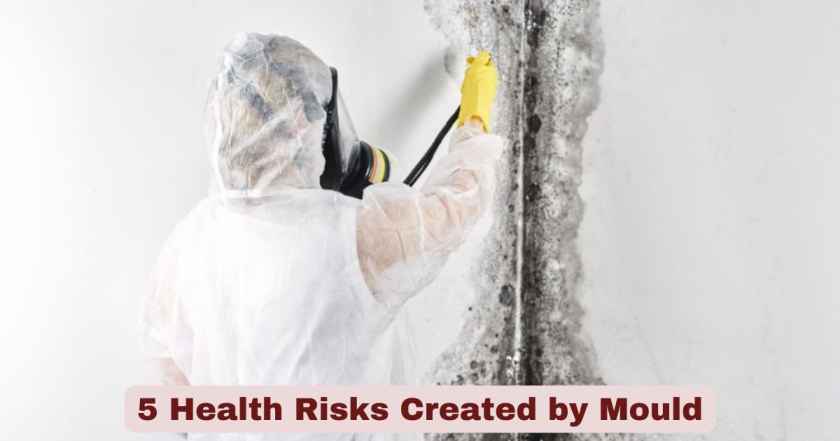
Mould is more than a messy inconvenience; it’s a real environmental health concern with serious health implications, especially when mould grows unchecked in damp spaces. When you’re exposed to mould in your home, the effects on human health can range from mild irritation to severe health problems, depending on the amount of mould and the type of mould involved. This intro breaks down the biggest health risk factors so you can spot early symptoms of mould exposure, understand what mould can cause, and take action with mould removal or mould remediation before prolonged exposure leads to adverse health effects.
What is Mould?
Mould is a broad term for mould species of fungi that thrive wherever there’s moisture, warmth, and organic material to feed on. Mould growth happens indoors and outdoors, but indoor mould is particularly concerning for human health because exposure to indoor spores is continuous. Mould spores float through the air, settle on damp surfaces, and spread quickly if not addressed. While mould may seem harmless at first, mould exposure can cause health issues ranging from mould allergies to asthma symptoms. Both the World Health Organisation and the Centres for Disease Control highlight the potential health risks when mould levels climb in enclosed spaces, so you need to make both mould and damp issues a priority, and using a local company you can rely on like Environ Restoration Services, who offers all damp proofing london service.
Definition and Types of Mould
Moulds cause problems primarily through tiny mould spores that disperse easily and get inhaled. Broadly, there’s a wide range of mould species, each type of mould having different health effects and growth patterns. Some moulds prefer outdoor mould environments like soil and decaying leaves, while others become indoor mould when dampness and mould with respiratory risk factors come together. The effects of mould vary by the levels of mould present and your reaction to mould, but even low mould levels can trigger symptoms in sensitive people. Proof of risk comes from studies associated with mould exposure showing increased respiratory symptoms and other adverse health effects.
Common Types of Mould Found in Homes
In everyday settings, the most common moulds in homes include Cladosporium, Penicillium, and Aspergillus, each capable of thriving wherever damp areas persist. These mould species spread through mould spore release and quickly colonise drywall, carpets, and HVAC components. Mould exposure indoors can worsen allergies and asthma and cause health issues like coughing, wheezing, and skin irritation. The risk of health impacts goes up with high levels of mould and prolonged exposure, especially if mould in your home hides behind walls. Effective mould remediation focuses on reducing moisture, managing the amount of mould present, and preventing mould growth from returning.
Black mould: The Most Dangerous Type
Black mould, often referring to Stachybotrys chartarum, has a reputation for severe health effects because black mould spores thrive in chronically damp materials and can produce irritants. While not every black stain is dangerous, black mould exposure is associated with more intense symptoms, especially in infants, older adults, and people with existing conditions. Exposure to indoor black mould may elevate the risk of health problems like persistent coughing, fatigue, and exacerbated asthma symptoms. Guidance from the World Health Organisation and the Centres for Disease Control stresses quick mould removal, moisture control, and professional remediation when high levels of mould are suspected.
Mould Exposure and Its Health Effects
When mould grows in damp corners or hidden cavities, mould exposure becomes more than an inconvenience—it’s an environmental health issue with real effects on human health. The health effects depend on the amount and type of mould and the levels of spores in the air. Indoor mould concentrates spores in closed spaces, so exposure to indoor particles can steadily increase the health risk, especially with prolonged exposure. While outdoor mould disperses quickly, mould in your home can accumulate and cause health problems ranging from mould allergies to worsening asthma symptoms. Both the World Health Organisation and the Centres for Disease Control highlight that controlling moisture and timely remediation are essential to reduce adverse health effects.
How Mould Spores Affect Human Health
A mould spore is tiny enough to stay airborne for hours and easily get inhaled deep into the lungs, where moulds cause irritation and trigger a reaction to mould in sensitive people. Different mould species release varied particles, and certain black mould spores can carry potent irritants that inflame airways. Once exposed to mould, the body responds with immune and inflammatory pathways, which is why the effects of mould often include coughing, wheezing, and eye and throat irritation. High levels of mould and contaminated materials increase exposure and risk. Over time, this constant contact can cause health effects that stack up, particularly for children, older adults, and anyone with a respiratory health condition.
Symptoms of mould Exposure
Common symptoms of mould exposure show up like allergies at first: sneezing, runny nose, itchy eyes, and skin rashes. As mould levels rise, people exposed to mould may notice persistent coughing, sore throat, chest tightness, and asthma symptoms that flare more often or more intensely. Headaches, fatigue, and difficulty concentrating also pop up as subtle effects on human health, especially with prolonged exposure to indoor mould. If black mould is present, symptoms can feel more intense due to irritants carried with black mould spores. Children and those with existing health issues often react faster and more strongly, which is proof that dampness and mould with respiratory stress can cause health issues even at moderate levels of mould in homes.
Long-term Health Risks Associated with mould
Long-term mould exposure can cause health problems that go beyond seasonal sniffles. For people with asthma, mould could intensify asthma symptoms and increase emergency visits. Repeated exposure to mould may contribute to chronic bronchitis-like irritation, sinusitis, and heightened mould allergies that linger year-round. In homes with persistent damp, damp proofing becomes essential, as indoor mould and high levels of moisture raise the potential health burden by continuously challenging the immune system, which can lead to more serious health complications in vulnerable groups. While research associated with mould is evolving, the World Health Organisation and the Centres for Disease Control agree that moisture control, timely mould removal, and thorough remediation are the best defences.
The Impact of Damp Conditions on Mould Growth
Damp spaces are the launchpad for mould growth, and that’s where the real health risk starts to build for human health. When dampness lingers, mould grows fast, releasing each mould spore into the air and turning a small patch into widespread indoor mould. This shift isn’t just a nuisance; it’s an environmental health problem that can cause health issues ranging from mould allergies to asthma symptoms. The amount, levels, and type of mould—especially in damp conditions—drive the severity of health effects. Without prompt mould removal and mould remediation, prolonged exposure raises potential health concerns and adverse health effects.
Understanding Damp Environments
Damp environments show up anywhere moisture gets trapped: bathrooms with poor ventilation, basements, kitchens, or around leaky windows where outdoor mould and rain seepage meet warm indoor air. When surfaces stay wet, mould in your home finds organic material to colonise, and moulds cause rapid spread across drywall, carpet, and wood. High humidity boosts mould levels, and even if you don’t see it, exposure to indoor moisture makes surfaces feel clammy and musty. In these spaces, the risk of health impacts rises because mould can cause stronger reactions in sensitive people. Proof of danger comes when symptoms of mould exposure ramp up after time spent in these damp rooms.
How Dampness Contributes to Mould Proliferation
Dampness feeds mould growth by keeping materials wet enough for mould species to digest and multiply, releasing mould spores that float into adjacent rooms. Warm, stagnant air slows evaporation, so the amount of mould climbs and mould exposure increases, especially where ventilation is weak. Black mould thrives on chronically soaked materials, and black mould spores can heighten the effects on human health. As levels of mould rise, moulds cause stronger health effects, and prolonged exposure may trigger asthma symptoms, sinus irritation, and other health problems. This cycle shows how dampness and mould with respiratory stress become linked, and why the World Health Organization and the Center for Disease Control flag moisture control as essential.
Preventing Dampness in Your Home
Stopping damp starts with reducing moisture so mould can’t take hold. Take practical steps to limit indoor mould and protect health at home:
- Fix leaks quickly, ventilate well, and keep indoor humidity under 50% so indoor mould can’t spread.
- Improve ventilation to dilute exposure to indoor spores.
- Insulate cold spots to prevent condensation.
- Clean gutters to steer outdoor mould debris and rain away from foundations.
- If you’re already exposed to mould, start mould removal safely, and follow up with professional mould remediation when high levels of mould or any type of mould keep returning.
These simple steps reduce the risk of health issues, limit adverse effects, and protect overall health at home.
mould Remediation: Getting Rid of mould
When mould grows past a small patch, the smartest move is targeted mould remediation that tackles moisture, removes contaminated materials, and restores safe indoor air. Because exposure to mould affects human health in different ways, the plan should match the type of mould, the amount of mould, and the mould levels in the air. Proper remediation limits spore spread and reduces environmental health risks, and helps prevent adverse health effects from prolonged exposure. Whether it’s black mould or a lighter stain, the goal is to cut damp conditions, perform safe mould removal, and confirm with proof that indoor mould is under control so mould may not rebound.
Steps for Effective Mould Remediation
To address dampness and mould while limiting exposure and ensuring effective remediation, follow these steps:
- Find and remove the moisture source: fix leaks, improve ventilation, and dehumidify to below 50%.
- Isolate the work area to reduce mould spore drift and exposure to indoor contaminants.
- Remove porous materials that mould can degrade, such as wet drywall or carpet.
- Clean hard surfaces with detergent and dry them fully.
- Use HEPA vacuuming to capture fine spores and run continuous air filtration during work.
- Ensure thorough drying and monitor humidity to prevent recurrence.
- Document each step for proof of control and to track any future reactions to mould in the space.
Professional Mould Removal vs. DIY Methods
DIY can work for small spots if you control moisture and avoid spreading spores, but large areas, strong musty odors, or black mould typically require professionals. Certified teams understand mould species, containment, and safe disposal so you’re not unnecessarily exposed to mould. They use HEPA filtration, negative air, and moisture mapping, which lowers health risk and potential health issues. If you have asthma symptoms, a health condition, or serious health concerns, professional remediation reduces the chance that moulds cause adverse health effects. As the World Health Organization and Center for Disease Control note, proper containment and verification are key when mould levels are significant.
Maintaining a mould-free Environment
After mould removal, stay ahead of mould growth by keeping humidity in check, ventilating bathrooms and kitchens, and fixing drips immediately. Clean and dry spills within 24–48 hours so indoor mould can’t take root, and upgrade filtration to limit exposure to indoor particles. Watch cold corners where condensation forms, and declutter so air can move and damp doesn’t linger. Regularly inspect basements, attics, and HVAC for early symptoms of mould exposure like musty odors. Prevention is cheaper and safer than remediation, and it protects overall human health.
Food with mould: Understanding the Risks
Mould in your home isn’t just a wall problem—mould species also show up in the fridge and pantry. While some foods host harmless or even intentional moulds, unknown fuzzy patches raise a real health risk because mould can produce toxins or trigger allergies. The effects on human health vary by type of mould, food moisture, and how far the mould grows through soft textures. Because prolonged exposure to contaminated food can cause health problems, it’s smart to learn which foods are safe to trim and which need tossing. When in doubt, remember that hidden mould spore networks travel deeper than you can see.
Types of mould found in Food
Common food moulds include Aspergillus, Penicillium, and Cladosporium, each a mould species adapted to damp, nutrient-rich surfaces. Soft fruits, bread, and leftovers encourage fast mould growth as spores colonize deep layers. Some cheeses use controlled Penicillium, but random patches on yogurt, jam, or deli meats mean mould exposure you didn’t plan for. Black mould on produce or grains signals significant moisture and spoilage risk, though black mould spores aren’t the only concern—other types may carry stronger health effects. Because levels of mould spread invisibly through soft foods, visual inspection isn’t always proof of safety.
Health Risks of Consuming Mouldy Food
Eating mouldy food can trigger a reaction to mould ranging from mild stomach upset to serious health issues, especially in people with mould allergies or a respiratory health condition. Certain moulds cause toxins that may lead to adverse health effects after prolonged exposure, and exposure to indoor food moulds can worsen asthma symptoms if spores aerosolize during handling. While not every type of mould is dangerous, the risk depends on the amount of mould and individual sensitivity. When symptoms of mould exposure like nausea, coughing, or rashes follow a questionable snack, stop eating and seek guidance.
Safe Practices for Food Storage
To reduce mould growth in your kitchen and protect your health, focus on keeping foods dry, cold, and properly stored. Follow these steps in order:
- Refrigerate perishables promptly, seal leftovers tightly, and label dates to control mould levels and avoid prolonged exposure.
- Store grains and nuts in airtight containers to prevent outdoor mould spores from entering.
- If mould appears on soft foods, discard the entire item; for hard cheeses and firm produce, trim a generous margin to remove unseen growth.
- Clean the fridge with mild detergent, dry surfaces well, and check for leaks to maintain a healthy environment.
These habits reduce the risk of health effects associated with mould.