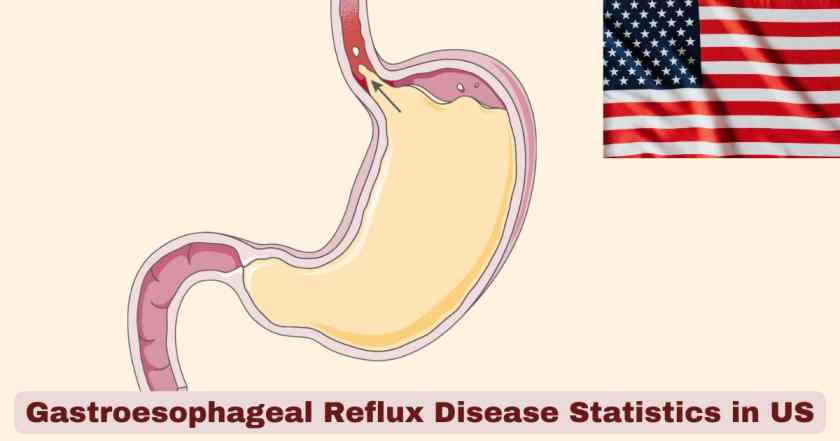
Gastroesophageal Reflux Disease in US 2025
Gastroesophageal reflux disease (GERD) stands as one of the most prevalent chronic gastrointestinal disorders affecting the American population, characterized by the troublesome backward flow of stomach contents into the esophagus that causes both physical discomfort and significant quality of life impairment. As we move through 2025, this condition continues to exact an enormous toll on individuals, families, and the healthcare system through direct medical expenses, lost productivity, and the psychological burden of managing a chronic illness. The rising prevalence demonstrates how modern lifestyle factors including dietary patterns, obesity rates, and stress levels converge to create a perfect storm for digestive dysfunction across all demographic groups.
The scope of GERD in the United States 2025 extends far beyond simple heartburn episodes to encompass a complex spectrum of esophageal and extra-esophageal manifestations that challenge both patients and healthcare providers. From mild intermittent symptoms managed with over-the-counter medications to severe erosive disease requiring surgical intervention, the diversity of GERD presentations demands individualized treatment approaches. Current epidemiological data reveals that approximately one in five adults experiences weekly symptoms, making this arguably the single most common reason for gastroenterology consultations nationwide. The condition’s association with serious complications including Barrett’s esophagus and esophageal adenocarcinoma adds urgency to early diagnosis and effective management strategies that can prevent disease progression.
Key Gastroesophageal Reflux Disease Facts and Statistics in the US 2025
| GERD Statistics Category | 2025 Data/Facts |
|---|---|
| Overall US Prevalence | 20% of adult population |
| Global Prevalence (Weekly Symptoms) | 13.98% worldwide |
| North American Regional Prevalence | 19.55% (highest globally) |
| Weekly Symptom Sufferers | 20% of US adults |
| Total Affected Americans | Approximately 60-70 million people |
| Annual Direct Healthcare Costs | $10-12.2 billion |
| Total Economic Burden (Including Indirect) | $81.7 billion annually |
| Prescription PPI Usage | Over 50% of digestive disease prescriptions |
| PPI-Refractory GERD | 50% of patients have persistent symptoms |
| Erosive Esophagitis | 30% of GERD patients |
| Non-Erosive Reflux Disease (NERD) | 60-70% of GERD cases |
| Annual Esophageal Cancer Cases | 22,070 diagnosed in 2025 |
Data Source: World Journal of Gastrointestinal Pharmacology and Therapeutics March 2025, Scientific Reports 2020, NCBI StatPearls 2025, Frontiers in Public Health July 2025, National Cancer Institute 2025
The statistical landscape of gastroesophageal reflux disease in the United States 2025 reveals an epidemic-scale health challenge with 20% of American adults experiencing weekly symptoms that interfere with daily activities, sleep quality, and overall well-being. This one-in-five prevalence rate translates to approximately 60-70 million individuals managing GERD through medications, lifestyle modifications, dietary restrictions, or surgical procedures, making it the most frequently diagnosed gastrointestinal condition in outpatient medical settings. The global prevalence of 13.98% experiencing weekly heartburn or regurgitation demonstrates GERD’s worldwide impact, though North America leads all regions at 19.55%, suggesting unique environmental or lifestyle contributors in Western populations.
The economic impact reaches staggering dimensions with $10-12.2 billion in direct annual healthcare costs encompassing physician visits, diagnostic procedures, medications, hospitalizations, and surgical interventions. Even more remarkable is the total economic burden of $81.7 billion when factoring in indirect costs from work absenteeism, reduced productivity while working (presenteeism), disability claims, and diminished quality of life. The medication market reflects the disease’s massive scope, with proton pump inhibitors accounting for over 50% of all digestive disease prescriptions and generating billions in pharmaceutical revenue. Perhaps most concerning is the finding that 50% of GERD patients experience persistent troublesome symptoms despite daily PPI therapy, creating a substantial population of treatment-refractory individuals requiring escalated interventions. The progression pathway from chronic reflux to 22,070 annual esophageal cancer diagnoses underscores the serious nature of this seemingly common digestive complaint.
Gastroesophageal Reflux Disease Prevalence by Demographics in the US 2025
| Demographic Factor | Prevalence/Association | Key Statistics |
|---|---|---|
| Age Over 50 Years | 32% higher risk (OR: 1.32) | Significantly elevated compared to younger adults |
| Gender Distribution | Higher in males for complications | Men more susceptible to Barrett’s and cancer |
| Racial/Ethnic Differences | White race highest risk | Non-Hispanic whites: 39 per 100,000 Barrett’s incidence |
| Obesity Association | Major independent risk factor | Body mass index directly correlates with severity |
| Central Adiposity | 4.1x higher odds for Barrett’s | Waist-to-hip ratio strongest predictor |
| Smoking Status | 23% higher odds (OR: 1.23) | Current smokers vs. non-smokers |
| Alcohol Consumption | 51% higher odds (OR: 1.51) | Regular drinkers significantly elevated |
| Depression Comorbidity | 46% higher odds (OR: 1.46) | Gut-brain axis involvement |
| Male Gender Barrett’s Risk | 3.9x higher odds (OR: 3.9) | Long-segment Barrett’s esophagus |
Data Source: BMC Gastroenterology February 2024, American Journal of Gastroenterology 2009, Kaiser Permanente California Study, NCBI PMC Barrett’s Esophagus Research 2015
The demographic distribution of gastroesophageal reflux disease across populations in the United States 2025 reveals striking patterns that inform screening recommendations and risk stratification algorithms. Adults over 50 years of age face a 32% elevated risk compared to their younger counterparts, reflecting age-related physiological changes including decreased lower esophageal sphincter tone, reduced esophageal peristaltic amplitude, delayed gastric emptying, and increased prevalence of hiatal hernias. The pronounced racial disparity is particularly evident in complication rates, with non-Hispanic white individuals showing Barrett’s esophagus incidence of 39 cases per 100,000 compared to just 6 cases per 100,000 among Black individuals, suggesting genetic predisposition or differential environmental exposures influencing disease progression.
Gender differences in GERD epidemiology present a complex picture where women report higher symptom prevalence but men demonstrate significantly elevated complication risks, particularly for Barrett’s esophagus where males face 3.9-fold increased odds for long-segment disease compared to females. This paradox may reflect hormonal influences, differences in pain perception and reporting, or biological factors affecting metaplastic transformation rates. The obesity epidemic’s contribution cannot be overstated, with central adiposity (high waist-to-hip ratio) conferring 4.1-fold increased odds for Barrett’s development among GERD patients, mediated through increased intra-abdominal pressure, hormonal changes from visceral fat, and inflammatory cytokine production. Behavioral risk factors demonstrate powerful associations, particularly the 51% increased odds among regular alcohol consumers and 23% elevation in current smokers, both representing modifiable targets for prevention and intervention. The striking 46% higher prevalence among individuals with depression highlights the bidirectional gut-brain axis communication, where psychological distress amplifies visceral hypersensitivity while chronic GERD symptoms contribute to mood disorders, necessitating integrated treatment approaches addressing both mental and digestive health.
Economic Burden of Gastroesophageal Reflux Disease in the US 2025
| Economic Impact Category | Cost/Value | Details |
|---|---|---|
| Direct Medical Costs | $10-12.2 billion annually | Healthcare system expenditures |
| Indirect Costs | $81.7 billion annually | Productivity losses and disability |
| Total Annual Per-Patient Cost | $13,331 average | Includes all paid claims |
| Surgical Patient Costs | $40,772 annually | Significantly higher than non-surgical |
| PPI Market Contribution | Over 50% of GI prescriptions | Billions in pharmaceutical revenue |
| Work Productivity Loss | Up to 89% report nighttime symptoms | Sleep disruption impacts performance |
| Presenteeism Impact | Significant reduction | Reduced effectiveness while working |
| PPI Compliance Savings | $3,261 annual incremental savings | Compliant vs. non-compliant patients |
Data Source: PMC Economic Evaluations 2015-2020, Value in Health Journal 2022, Journal of Health Economics 2024, BMC Health Services Research November 2024
The financial burden of gastroesophageal reflux disease on the United States economy in 2025 extends far beyond the visible costs captured in insurance claims and hospital billing statements. The $10-12.2 billion in direct annual medical costs encompasses a complex array of expenditures including primary care and specialist physician visits, upper endoscopy procedures, ambulatory pH monitoring tests, prescription medications, over-the-counter remedies, emergency department visits for severe symptoms mimicking cardiac events, and both medical and surgical hospitalizations. This direct spending exceeds the combined costs of all digestive tract cancers ($8.4 billion), underscoring GERD’s disproportionate economic impact relative to its generally non-life-threatening nature.
The staggering $81.7 billion in indirect annual costs reveals the hidden economic devastation wrought by chronic reflux disease through multiple pathways affecting workforce productivity and societal functioning. Work absenteeism from severe symptom flares, medical appointments, and post-procedural recovery periods creates direct productivity losses for employers, while presenteeism—where employees attend work but function at reduced capacity due to symptoms, fatigue from sleep disruption, or medication side effects—generates even larger but less visible economic drains. The finding that up to 89% of GERD patients experience nighttime symptoms carries profound implications since nocturnal heartburn severely disrupts sleep architecture, causing daytime fatigue, cognitive impairment, reduced reaction times, and mood disturbances that collectively devastate work performance. The average per-patient annual cost of $13,331 rises dramatically to $40,772 for surgical patients, reflecting the substantial initial investment in anti-reflux procedures, though longitudinal analyses suggest surgery becomes cost-effective at 5-10 year time horizons for patients requiring continuous medication. Perhaps most actionable is the finding that medication-compliant patients generate $3,261 in annual incremental healthcare savings compared to non-compliant individuals, demonstrating how improved adherence strategies could substantially reduce the national GERD cost burden.
Gastroesophageal Reflux Disease Symptoms and Clinical Presentation in the US 2025
| Symptom Category | Prevalence/Characteristics | Clinical Significance |
|---|---|---|
| Heartburn (Pyrosis) | Primary typical symptom | Burning retrosternal sensation |
| Acid Regurgitation | Secondary typical symptom | Effortless return of gastric contents |
| Chest Pain | Common atypical symptom | Can mimic cardiac angina |
| Dysphagia (Swallowing Difficulty) | 10-15% of chronic GERD | Alarm symptom suggesting complications |
| Chronic Cough | Extra-esophageal manifestation | Airway irritation from reflux |
| Laryngitis/Hoarseness | Extra-esophageal symptom | Vocal cord inflammation |
| Asthma Exacerbation | Associated respiratory symptom | Bronchospasm from acid microaspiration |
| Dental Erosions | Chronic exposure consequence | Acid damage to tooth enamel |
| Sleep Disturbance | Up to 89% of patients | Nocturnal symptoms disrupt sleep |
| Nausea and Bloating | Associated symptoms | Upper gastrointestinal discomfort |
Data Source: NCBI StatPearls 2025, World Journal of Gastrointestinal Pharmacology March 2025, Montreal Definition Classification 2006
The clinical manifestations of gastroesophageal reflux disease in the United States 2025 present with remarkable heterogeneity ranging from classic esophageal symptoms to puzzling extra-esophageal presentations that can delay diagnosis and appropriate treatment. Heartburn, experienced as a burning sensation rising from the epigastrium through the retrosternal chest toward the throat, constitutes the hallmark symptom that drives most patients to seek medical attention and forms the basis for symptom-based GERD definitions used in epidemiological research. Acid regurgitation—the effortless return of bitter or sour gastric contents into the pharynx and mouth—frequently accompanies heartburn and creates particularly distressing experiences, especially when occurring during sleep causing choking sensations and panic.
What substantially complicates the diagnostic landscape is the significant proportion of patients presenting with atypical or extra-esophageal manifestations where classic heartburn may be minimal or absent entirely. Chest pain from acid reflux can be virtually indistinguishable from cardiac angina in character, radiation pattern, and associated symptoms, necessitating careful cardiac evaluation to exclude myocardial ischemia before attributing discomfort to GERD—a clinical conundrum that generates substantial healthcare costs through emergency department visits and cardiac testing. The development of dysphagia in 10-15% of chronic GERD patients represents an alarm symptom warranting urgent endoscopic evaluation to identify complications including peptic strictures, eosinophilic esophagitis, or esophageal adenocarcinoma. Extra-esophageal symptoms affecting the respiratory system—including chronic cough, laryngitis, hoarseness, and asthma exacerbations—result from direct acid contact with vocal cords and airways or through vagally-mediated reflex bronchospasm, creating diagnostic puzzles that may involve pulmonologists, otolaryngologists, and allergists before GERD is identified as the underlying cause. The presence of dental erosions from chronic acid exposure provides objective physical evidence of disease severity, while the finding that up to 89% of patients experience nocturnal symptoms explains the profound sleep disruption, daytime fatigue, and quality of life impairment that makes GERD comparable to other serious chronic conditions in its impact on daily functioning.
Causes and Risk Factors for Gastroesophageal Reflux Disease in the US 2025
| Causative Factor | Mechanism/Impact | Relative Risk |
|---|---|---|
| Lower Esophageal Sphincter Dysfunction | Primary pathophysiology | Fundamental mechanism |
| Transient LES Relaxations (TLESRs) | 48-73% of reflux episodes | Not triggered by swallowing |
| Hiatal Hernia | 94% of erosive esophagitis patients | Disrupts anatomical barriers |
| Obesity/High BMI | Dose-dependent association | Major modifiable risk factor |
| Pregnancy | Hormonal and mechanical factors | Temporary elevation |
| Smoking | 23% increased odds (OR: 1.23) | Sphincter relaxation, reduced saliva |
| Alcohol Consumption | 51% increased odds (OR: 1.51) | Mucosal irritation, sphincter effects |
| Dietary Triggers | Multiple food categories | Fatty foods, chocolate, caffeine |
| Medications | Iatrogenic causes | Calcium blockers, NSAIDs, nitrates |
| Delayed Gastric Emptying | Prolonged acid exposure | Gastroparesis, diabetes |
| Genetic Factors | Polygenic inheritance | Family clustering observed |
Data Source: NCBI StatPearls 2025, Gastroenterology Journal 2017, BMC Gastroenterology February 2024, American College of Gastroenterology Guidelines 2022
The underlying causes of gastroesophageal reflux disease in the United States 2025 involve complex interactions between anatomical abnormalities, physiological dysfunction, genetic predisposition, behavioral factors, and environmental triggers. At the foundation lies lower esophageal sphincter (LES) dysfunction, where the circular muscle band at the esophagogastric junction fails to maintain adequate barrier function against retrograde flow of acidic gastric contents. While the LES normally maintains high-pressure tone exceeding intragastric pressure, transient LES relaxations (TLESRs) occurring independently of swallowing account for 48-73% of all reflux episodes in GERD patients, though the precise neurological mechanisms triggering these inappropriate relaxations remain incompletely understood despite intensive research.
Hiatal hernia emerges as a critical anatomical contributor found in 94% of patients with erosive esophagitis, where a portion of the stomach protrudes through the esophageal hiatus in the diaphragm into the thoracic cavity. This anatomical distortion disrupts the normal pressure dynamics, impairs acid clearance mechanisms, creates a reservoir of acid above the diaphragm, and reduces LES effectiveness—with larger hernias correlating with more severe reflux and esophagitis grades. Obesity represents perhaps the single most important modifiable risk factor in contemporary America, with excess adipose tissue—particularly central/visceral fat—creating sustained elevated intra-abdominal pressure that mechanically overcomes sphincter resistance, while adipokines and inflammatory cytokines from metabolic syndrome further compromise mucosal defense. The 23% increased odds associated with smoking reflect nicotine’s direct relaxation of LES tone, reduced saliva production that normally neutralizes refluxed acid, and impaired esophageal motility, while the dramatic 51% elevation with regular alcohol consumption results from direct mucosal injury, sphincter relaxation, increased acid secretion, and delayed gastric emptying.
Dietary triggers demonstrate both immediate symptom provocation and long-term risk modification, with fatty and fried foods delaying gastric emptying, chocolate and peppermint directly relaxing the LES, citrus fruits and tomatoes providing additional acid load, and caffeinated beverages stimulating acid secretion while reducing sphincter pressure. Medications create iatrogenic GERD through various mechanisms: calcium channel blockers and nitrates relax smooth muscle including the LES, NSAIDs cause direct mucosal injury, anticholinergics reduce saliva and peristalsis, and bisphosphonates can produce pill-induced esophagitis. Pregnancy represents a unique temporary risk state where progesterone-mediated smooth muscle relaxation combines with mechanical compression from the gravid uterus to produce symptoms in the majority of expectant mothers, though reflux typically resolves postpartum. Emerging research has identified genetic susceptibility through genome-wide association studies showing GERD shares genetic background with Barrett’s esophagus and esophageal adenocarcinoma, though no single causative mutation exists—rather, polygenic inheritance with multiple small-effect variants collectively influences disease risk.
Treatment Options for Gastroesophageal Reflux Disease in the US 2025
| Treatment Modality | Mechanism/Approach | Effectiveness |
|---|---|---|
| Lifestyle Modifications | Weight loss, diet changes, positioning | First-line recommendation |
| Antacids | Neutralize stomach acid | Immediate short-term relief |
| H2 Receptor Antagonists | Reduce acid secretion | Moderate effectiveness |
| Proton Pump Inhibitors (PPIs) | Potent acid suppression | 70% symptom relief vs. 25% placebo |
| Vonoprazan (P-CAB) | Potassium-competitive blockade | Superior to PPIs in trials |
| On-Demand PPI Therapy | Symptom-guided dosing | $2,197 per QALY cost-effective |
| Continuous PPI Therapy | Daily maintenance | Standard for moderate-severe GERD |
| Laparoscopic Fundoplication | Surgical sphincter reinforcement | Cost-effective 5-10 year horizon |
| Magnetic Sphincter Augmentation | LINX device placement | Minimally invasive option |
| Neuromodulators | Pain pathway modification | Adjunctive for functional symptoms |
Data Source: American College of Gastroenterology Guidelines 2022, BMC Health Services Research November 2024, FDA Approval 2024, PMC Cost-Effectiveness Studies 2015-2024
The therapeutic approach to gastroesophageal reflux disease in the United States 2025 encompasses a comprehensive spectrum of interventions ranging from simple behavioral modifications to sophisticated surgical procedures, with treatment selection guided by symptom severity, frequency, endoscopic findings, response to initial therapies, and presence of complications. Lifestyle modifications constitute the foundation of all GERD management and include evidence-based recommendations for weight reduction in overweight individuals (targeting 5-10% body weight loss to significantly reduce symptoms), avoiding trigger foods (fatty meals, chocolate, peppermint, citrus, tomatoes, caffeine), eating smaller portions, refraining from lying down within 2-3 hours after meals, elevating the head of the bed 6-8 inches for nocturnal symptom control, smoking cessation, and limiting alcohol consumption. These non-pharmacological interventions carry no medication risks, address root pathophysiology rather than merely suppressing acid, and demonstrate effectiveness when patients achieve sustained adherence.
Proton pump inhibitors (PPIs) revolutionized GERD management and remain the medical standard for moderate to severe disease, achieving symptom relief in 70% of patients compared to only 25% with placebo through profound inhibition of gastric acid secretion by irreversibly blocking the hydrogen-potassium ATPase enzyme system. Available PPIs include omeprazole, esomeprazole, lansoprazole, pantoprazole, rabeprazole, and dexlansoprazole, with on-demand therapy (taking medication only when symptoms occur) demonstrating cost-effectiveness at $2,197 per quality-adjusted life year gained for mild-moderate disease, while continuous daily therapy proves necessary for severe or complicated GERD. The newest addition to the pharmacological armamentarium is vonoprazan, a potassium-competitive acid blocker FDA-approved in 2024 for non-erosive GERD, offering faster onset, longer duration of action, greater acid suppression, and potentially better efficacy than traditional PPIs through a different mechanism that competitively and reversibly blocks potassium binding to the proton pump.
For the substantial proportion of patients experiencing persistent symptoms despite adequate PPI therapy—affecting 50% of GERD patients—treatment escalation options include doubling the PPI dose, switching to alternative PPIs or vonoprazan, adding H2 receptor antagonists for nocturnal acid breakthrough, incorporating neuromodulators (tricyclic antidepressants, SSRIs) for functional components, or proceeding with anti-reflux surgery. Laparoscopic Nissen fundoplication, where the gastric fundus is wrapped around the lower esophagus to reinforce the sphincter, demonstrates cost-effectiveness at 5-10 year time horizons compared to lifelong medication, with the break-even point occurring around 9 years for patients with severe GERD requiring continuous therapy. Magnetic sphincter augmentation (LINX device) represents a newer minimally-invasive alternative that uses a ring of magnetic titanium beads to augment LES function while allowing normal swallowing and belching, though long-term outcomes data continue accumulating. For carefully selected chronic GERD patients facing decades of medication dependency, these surgical interventions offer potential cure with acceptable safety profiles when performed by experienced surgeons at high-volume centers.
Gastroesophageal Reflux Disease Complications and Long-Term Outcomes in the US 2025
| Complication Type | Prevalence/Risk | Clinical Impact |
|---|---|---|
| Erosive Esophagitis | 30% of GERD patients | Ulceration and bleeding risk |
| Non-Erosive Reflux Disease (NERD) | 60-70% of GERD cases | Symptoms without visible damage |
| Peptic Stricture | Minority of chronic cases | Narrowing causing dysphagia |
| Barrett’s Esophagus Overall | 7% of GERD patients | Intestinal metaplasia |
| Barrett’s (Without GERD Symptoms) | 2.2% prevalence | Significant asymptomatic group |
| Long-Segment Barrett’s | 4.92x higher odds with GERD | Greater cancer risk |
| Annual Cancer Incidence from Barrett’s | 0.12-0.24% per year | One in 416-833 patients |
| Esophageal Adenocarcinoma | 22,070 diagnosed in 2025 | 16,250 deaths annually |
| 5-Year Survival (Adenocarcinoma) | Less than 20% | Poor prognosis |
| Respiratory Complications | Common in severe GERD | Aspiration, pneumonia |
Data Source: Clinical Gastroenterology and Hepatology 2023, AAFP Barrett’s Review 2022, National Cancer Institute 2025, NCBI PMC Epidemiology Studies 2015
The progression from simple gastroesophageal reflux disease to serious complications in the United States 2025 represents a critical concern that motivates aggressive treatment and regular surveillance in high-risk populations. Erosive esophagitis, affecting approximately 30% of GERD patients, involves visible mucosal breaks, ulcerations, and inflammation from repeated acid exposure, creating severe pain, potential bleeding, and risk of perforation in extreme cases—yet paradoxically, the majority (60-70%) of GERD patients have non-erosive reflux disease (NERD) where symptoms occur without endoscopically visible damage, demonstrating the disconnect between symptom severity and objective findings. Chronic inflammation can progress to peptic stricture formation where fibrotic scar tissue progressively narrows the esophageal lumen, causing worsening dysphagia that may require repeated endoscopic dilation procedures to restore normal swallowing.
The most feared complication pathway involves Barrett’s esophagus, detected in 7% of patients with GERD symptoms and 2.2% of those without reflux symptoms, where chronic acid injury causes metaplastic transformation of normal squamous epithelium into specialized intestinal-type columnar epithelium containing goblet cells. While Barrett’s itself produces no symptoms, it dramatically elevates cancer risk with annual progression to esophageal adenocarcinoma occurring in 0.12-0.24% of patients—translating to one in every 416-833 Barrett’s patients developing cancer yearly. The risk escalates dramatically with dysplastic changes, where high-grade dysplasia confers 19% cancer risk in untreated patients versus 2% with endoscopic radiofrequency ablation therapy. Long-segment Barrett’s (≥2 cm) demonstrates 4.92-fold increased odds among patients with GERD symptoms compared to short-segment disease, necessitating more intensive surveillance protocols.
The cancer statistics paint a sobering picture with 22,070 Americans diagnosed with esophageal cancer in 2025 and 16,250 deaths annually, making it among the deadliest malignancies with 5-year survival rates below 20% once advanced disease develops. Esophageal adenocarcinoma incidence has increased 6-fold over the past 40 years, representing the most rapid rise of any cancer in Western populations, though early detection through Barrett’s surveillance programs offers the possibility of identifying dysplasia or early-stage cancer when curative endoscopic or surgical treatment remains feasible. Extra-esophageal complications extend GERD’s impact beyond the digestive tract, with respiratory manifestations from acid microaspiration causing chronic cough, recurrent pneumonia, worsening asthma control, and pulmonary fibrosis in severe cases. Dental erosions from chronic acid exposure gradually dissolve protective enamel, increasing cavity formation, tooth sensitivity, and cosmetic concerns requiring expensive restoration. The comprehensive impact on quality of life—including sleep disruption affecting up to 89% of patients, chronic pain, dietary restrictions, and anxiety about symptom occurrence—makes GERD comparable to inflammatory bowel disease in its effect on overall functioning and mental health.
Gastroesophageal Reflux Disease Diagnosis and Testing in the US 2025
| Diagnostic Method | Purpose | Clinical Utility |
|---|---|---|
| Clinical Symptom Assessment | Identify typical symptoms | First-line diagnostic approach |
| Empiric PPI Trial (8 Weeks) | Therapeutic diagnostic test | Recommended for typical symptoms |
| Upper Endoscopy (EGD) | Visualize mucosal changes | For alarm symptoms, screening |
| Erosive Esophagitis Grading | LA Classification A-D | Severity assessment |
| Barrett’s Screening | Identify intestinal metaplasia | Age >50 with risk factors |
| 24-Hour pH Monitoring | Quantify acid exposure | Gold standard objective test |
| Multichannel Impedance-pH | Detect non-acid reflux | Advanced diagnostic tool |
| Esophageal Manometry | Assess motility disorders | Pre-surgical evaluation |
| Barium Esophagram | Structural abnormalities | Hiatal hernia, strictures |
| GerdQ Questionnaire | Symptom screening tool | Population-based assessment |
Data Source: American College of Gastroenterology Guidelines 2022, American Gastroenterological Association 2022, World Journal of Gastrointestinal Pharmacology March 2025
The diagnostic approach to gastroesophageal reflux disease in the United States 2025 emphasizes cost-effective, patient-centered strategies that balance diagnostic accuracy with judicious resource utilization. For patients presenting with typical symptoms—heartburn and regurgitation occurring after meals, worse when lying down or bending over, relieved by antacids—without any alarm features (dysphagia, odynophagia, unintentional weight loss, gastrointestinal bleeding, persistent vomiting, family history of upper GI cancer), current American Gastroenterological Association guidelines recommend an empiric 8-week trial of once-daily proton pump inhibitor therapy taken 30-60 minutes before breakfast as both a diagnostic and therapeutic intervention. Symptom improvement with PPI therapy confirms the clinical diagnosis with sensitivity and specificity comparable to more expensive testing, allowing treatment continuation without further investigation in uncomplicated cases.
Upper endoscopy (esophagogastroduodenoscopy) becomes the preferred initial evaluation when patients present with alarm symptoms suggesting complications, when Barrett’s screening is indicated (age over 50 with chronic GERD symptoms plus additional risk factors including male gender, white race, central obesity, family history), or when diagnosis remains uncertain despite PPI trial. The procedure allows direct visualization and photodocumentation of esophageal mucosa, identification and Los Angeles Classification grading of erosive esophagitis (Grade A: one or more mucosal breaks ≤5mm; Grade B: mucosal breaks >5mm; Grade C: breaks extending between tops of mucosal folds involving <75% of circumference; Grade D: breaks involving ≥75% of circumference), detection of Barrett’s metaplasia through systematic biopsies of suspicious columnar-lined epithelium, and exclusion of alternative diagnoses including eosinophilic esophagitis, infectious esophagitis, pill-induced injury, or malignancy.
For diagnostically challenging cases where GERD remains suspected despite normal endoscopy and inadequate PPI response, ambulatory pH monitoring provides the gold standard objective measurement of esophageal acid exposure over 24-96 hours using wireless capsule or transnasal catheter systems. Patients maintain a detailed symptom diary to correlate pain episodes with pH drops below 4, allowing calculation of total acid exposure time, number of reflux episodes, and symptom-reflux association probability. Modern multichannel intraluminal impedance-pH testing adds the capability to detect non-acid reflux (weakly acidic or alkaline) that may explain persistent symptoms in patients adequately suppressed on PPIs, distinguishing true refractory GERD from functional heartburn.
Disclaimer: The data research report we present here is based on information found from various sources. We are not liable for any financial loss, errors, or damages of any kind that may result from the use of the information herein. We acknowledge that though we try to report accurately, we cannot verify the absolute facts of everything that has been represented.