Eggshell Membrane Benefits 2025
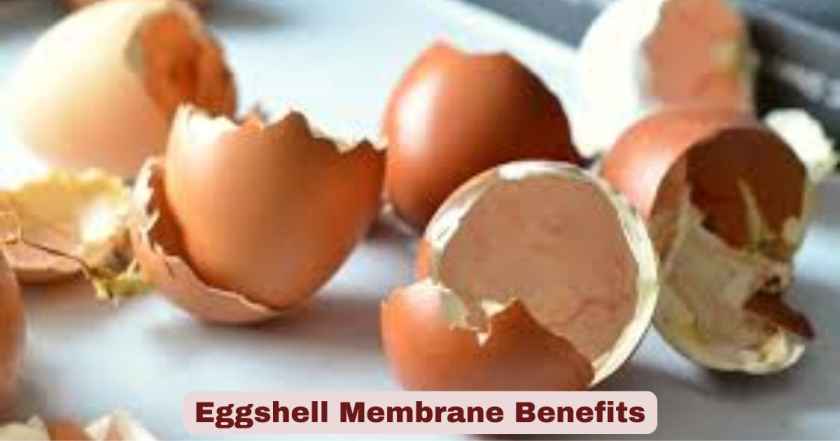
Eggshell membrane benefits have captured the attention of researchers, healthcare professionals, and consumers seeking natural, evidence-based solutions for multiple health concerns in 2025. This remarkable biomaterial, the thin translucent layer located between the hard eggshell and egg white, contains over 400 different proteins and bioactive compounds that work synergistically to support joint health, skin vitality, bone strength, wound healing, and inflammatory balance. Unlike isolated synthetic supplements, eggshell membrane provides a complete natural matrix of collagen types I, V, and X, glycosaminoglycans including glucosamine, chondroitin sulfate, and hyaluronic acid, structural proteins like elastin, and antimicrobial compounds in their naturally occurring ratios optimized through millions of years of evolution.
The therapeutic applications of eggshell membrane in 2025 extend far beyond its traditional use in joint health supplements, with emerging research demonstrating significant benefits for skin aging, bone density, wound repair, cardiovascular health, and inflammatory conditions. Clinical studies published in peer-reviewed medical journals confirm that eggshell membrane supplementation produces rapid, measurable improvements in pain, stiffness, mobility, skin elasticity, hydration, and bone mineralization—often within days to weeks rather than months. The growing body of scientific evidence, combined with excellent safety profiles showing minimal adverse events across thousands of study participants, has positioned eggshell membrane as a premium natural ingredient meeting consumer demand for sustainable, clean-label products backed by rigorous clinical validation. As the global market continues expanding, eggshell membrane benefits represent a convergence of traditional wisdom, modern science, and circular economy principles that transform food industry waste into high-value health solutions.
Interesting Facts About Eggshell Membrane Benefits in 2025
| Key Eggshell Membrane Benefit Facts 2025 | Statistics |
|---|---|
| Total Bioactive Proteins | Over 400 different proteins with diverse biological activities |
| Pain Reduction Percentage | 50% reduction in joint pain for most study participants |
| Rapid Response Timeline | 7-10 days for initial pain relief – fastest among natural joint supplements |
| Stiffness Improvement | 26.6% reduction after 60 days of supplementation |
| Skin Elasticity Improvement Timeline | Significant improvements observed within 6 weeks |
| Wrinkle Reduction Period | Visible reduction after 12 weeks of oral supplementation |
| Bone Mass Increase | Significant increase demonstrated in animal models after 8 weeks |
| Wound Closure Acceleration | Significantly faster healing at days 3, 7, and 10 in clinical models |
| Anti-Inflammatory Effect | Reduced pro-inflammatory cytokines including TNF-α and IL-1 |
| Historical Traditional Use | Used as natural wound dressing for over 400 years in Asian countries |
Data Source: PubMed Central, Clinical Rheumatology, Journal of Functional Foods, Clinical Cosmetic and Investigational Dermatology, Bone Reports, PLOS One, National Library of Medicine
The eggshell membrane benefit statistics presented above demonstrate the multi-system therapeutic potential of this natural biomaterial in 2025. The presence of over 400 different bioactive proteins creates a comprehensive nutritional matrix that cannot be replicated through isolated synthetic supplements, explaining why clinical outcomes consistently exceed those achieved with individual ingredients like glucosamine or chondroitin alone. The 50% pain reduction achieved in most study participants represents clinically meaningful improvement that translates to enhanced quality of life, reduced need for pain medications, and improved physical function for individuals with osteoarthritis and joint disorders.
Particularly remarkable is the rapid onset of benefits, with initial pain relief occurring within 7-10 days of supplementation—significantly faster than traditional joint supplements requiring weeks or months to demonstrate effects. The 26.6% stiffness reduction after 60 days enables greater mobility and independence for individuals previously limited by joint rigidity. Beyond joint health, the 6-week timeline for skin elasticity improvements and 12-week period for visible wrinkle reduction positions eggshell membrane as a compelling nutricosmetic ingredient. The bone mass increases observed in animal models, combined with evidence of enhanced calcium absorption and improved mineralization, suggest promising applications for osteoporosis prevention. The documented wound healing acceleration at multiple timepoints, along with anti-inflammatory effects reducing key cytokines associated with chronic disease, demonstrates that eggshell membrane benefits extend across multiple physiological systems. The 400+ year history of traditional use in Asian medicine provides cultural validation supporting modern scientific findings.
Joint Health and Osteoarthritis Benefits of Eggshell Membrane in 2025
| Joint Health Benefit | Clinical Outcome | Timeline |
|---|---|---|
| Pain Reduction (WOMAC Scale) | 15-15.9% mean reduction in pain subscores | Significant at 10, 30, and 60 days |
| Stiffness Reduction (WOMAC Scale) | 12.8% reduction at 10 days, 26.6% at 60 days | Progressive improvement over treatment |
| Overall Pain Relief | 50% reduction for most study participants | Clinically meaningful improvement |
| Range of Motion Improvement | Increased joint flexibility and mobility | Sustained throughout study period |
| Functional Capacity | Improved daily activity performance | Enhanced quality of life measures |
| Cartilage Protection | Reduced cartilage turnover biomarkers | Significant after 1 week |
| Anti-Inflammatory Action | Reduced TNF-α and IL-1 cytokines | Measured in multiple studies |
| Myofibroblast Differentiation | Enhanced tissue repair mechanisms | Demonstrated in cellular studies |
| Comparison to Glucosamine/Chondroitin | Superior rapid response | NEM® effective at 10 days vs months for alternatives |
Data Source: Clinical Rheumatology, Clinical Interventions in Aging, PubMed Central, Journal of Functional Foods, OPTION Trial, Nutrients (MDPI) systematic review
Joint health benefits represent the most extensively studied application of eggshell membrane in 2025, with robust clinical evidence from multiple randomized controlled trials demonstrating significant improvements in pain, stiffness, and functional capacity for individuals with osteoarthritis. The landmark OPTION trial (Osteoarthritis Pain Treatment IncorpOrating NEM®) enrolled patients with moderate knee osteoarthritis in a multicenter, double-blind, placebo-controlled design, establishing that 500 mg daily supplementation produces statistically significant improvements in Western Ontario and McMaster Universities (WOMAC) Osteoarthritis Index scores. The 15% mean pain reduction at 10 days, sustained through 60 days, represents rapid therapeutic response rarely observed with natural joint health ingredients, while the 26.6% stiffness reduction at 60 days enables meaningful improvements in morning mobility and daily activities.
The mechanisms underlying joint health benefits involve multiple pathways working synergistically. Eggshell membrane naturally contains collagen type I providing structural support for cartilage matrix, glycosaminoglycans including glucosamine and chondroitin sulfate that retain water within joints for shock absorption, hyaluronic acid maintaining synovial fluid viscosity for smooth movement, and elastin supporting connective tissue resilience. Clinical studies demonstrate that supplementation reduces pro-inflammatory cytokines including tumor necrosis factor-alpha (TNF-α) and interleukin-1 (IL-1)—biochemical mediators that trigger joint pain, cartilage destruction, and synovial inflammation in osteoarthritis. Research on 60 healthy postmenopausal women showed significant reduction in cartilage turnover biomarkers after just one week of supplementation, indicating protection against exercise-induced joint damage. The stimulation of myofibroblast differentiation observed in cellular studies suggests eggshell membrane promotes tissue repair and remodeling processes essential for joint regeneration. The superior efficacy compared to glucosamine and chondroitin—which failed to show significant benefits in the large NIH-sponsored GAIT trial—reflects the synergistic interaction of eggshell membrane’s complete bioactive matrix rather than isolated compounds.
Skin Health and Anti-Aging Benefits of Eggshell Membrane in 2025
| Skin Health Benefit | Clinical Result | Study Duration |
|---|---|---|
| Wrinkle Reduction | Significant visible reduction in wrinkle appearance | 12 weeks of oral supplementation |
| Skin Elasticity Improvement | Significant enhancement in skin elasticity | Observed as early as 6 weeks |
| Dermal Density Enhancement | Increased dermal density measurements | Significant at 6 and 12 weeks |
| Skin Hydration Increase | Improved moisture retention and hydration | Measured after 12 weeks |
| Sagging Reduction | Decreased skin sagging scores | Improvements at 6 and 12 weeks |
| Transepidermal Water Loss (TEWL) Reduction | Decreased water loss through skin barrier | After 12 weeks treatment |
| Desquamation Improvement | Reduced skin flaking and shedding | Post-treatment analysis |
| Roughness Reduction | Smoother skin texture | 12-week intervention period |
| UV Damage Protection | Reduced effects of sun damage | Demonstrated in research studies |
| MMP-2 and MMP-9 Regulation | Modulation of matrix metalloproteinases | Measured in serum samples |
Data Source: Journal of Functional Foods, Clinical, Cosmetic and Investigational Dermatology, Journal of Cosmetic Dermatology, ScienceDirect, VitaFoods Insights
Skin health and anti-aging benefits of eggshell membrane in 2025 have gained substantial scientific validation through rigorous clinical trials demonstrating measurable improvements across multiple dermatological parameters. A comprehensive 2025 randomized, double-blind, placebo-controlled trial published in the Journal of Functional Foods evaluated 100 women aged 25-60 receiving 600 mg daily of eggshell membrane (Ovoderm®-AS) for 12 weeks. Results showed significant improvements in wrinkling, elasticity, dermal density, sagging, hydration, transepidermal water loss (TEWL), desquamation, and roughness (all p < 0.05), with benefits appearing as early as 6 weeks for elasticity, dermal density, and sagging. No adverse events occurred during the study, confirming excellent safety for long-term use in pursuit of skin health goals.
The mechanisms behind skin benefits involve eggshell membrane’s rich composition of bioactive compounds including collagen types I, V, and X providing structural scaffolding for dermal tissue, elastin and its unique cross-linking amino acids desmosine and isodesmosine supporting skin resilience and elasticity, hyaluronic acid maintaining moisture retention and plumpness, and glycosaminoglycans including chondroitin sulfate supporting dermal matrix integrity. Collagen synthesis stimulation occurs through provision of amino acid precursors and signaling proteins that trigger fibroblast activity, increasing endogenous collagen production beyond direct supplementation effects. The reduction in matrix metalloproteinases (MMP-2 and MMP-9)—enzymes that break down collagen and contribute to skin aging—helps preserve existing dermal structures while supporting new tissue formation. UV damage protection demonstrated in research studies suggests eggshell membrane compounds help skin cells regenerate after sun exposure, mitigating photoaging effects. An earlier 2020 study in Clinical, Cosmetic and Investigational Dermatology similarly confirmed that 12 weeks of oral eggshell membrane supplementation produced visible wrinkle reduction, improved skin elasticity, and enhanced hydration. The transepidermal water loss (TEWL) reduction indicates strengthened skin barrier function, preventing moisture evaporation and maintaining optimal hydration levels essential for youthful appearance. These comprehensive skin benefits position eggshell membrane as a compelling nutricosmetic ingredient for beauty-from-within applications.
Bone Health and Osteoporosis Benefits of Eggshell Membrane in 2025
| Bone Health Benefit | Research Finding | Evidence Source |
|---|---|---|
| Bone Mass Increase | Significant increase in bone mass | 8-week animal study |
| Trabecular Structure Enhancement | Thicker and longer trabeculae | Micro-CT analysis |
| Osteoblast Number Increase | Greater number of bone-forming cells | Histological analysis |
| Bone Marrow Adiposity Suppression | Reduced adipocyte accumulation in bone marrow | Immunohistochemical demonstration |
| Col1a1 Expression Upregulation | Increased collagen type I expression | Gene expression analysis |
| Calcium Absorption Enhancement | Improved calcium uptake in human cells | In vitro studies |
| Calcium Deposition Improvement | Enhanced calcium deposition in bone | Combined with eggshell calcium |
| Bone Mineralization Support | Improved mineralization processes | Multiple mechanism studies |
| Pain Reduction in Osteoporotic Patients | 68% pain decrease over 20 days | Clinical pilot study |
| Inflammatory Cytokine Reduction | Decreased TNF-α and IL-1 | Associated with bone protection |
Data Source: Bone Reports (PMC), ScienceDirect, International Journal of Clinical Pharmacology Research, GSC Biological and Pharmaceutical Sciences, PubMed
Bone health benefits of eggshell membrane in 2025 represent an emerging area of clinical interest supported by compelling preclinical evidence and preliminary human studies. A groundbreaking 2025 study published in Bone Reports investigated the direct effects of eggshell membrane intake on osteogenic function in normal growing rats over 8 weeks. Visual observation and micro-computed tomography analysis revealed significant increases in bone mass in the eggshell membrane group compared to controls, with histological examination showing thick and long trabeculae accompanied by increased osteoblast numbers and suppressed adipocyte accumulation. Gene expression analysis demonstrated significantly higher Col1a1 expression—the gene encoding collagen type I, the primary structural protein in bone—while Pparg expression (master regulator of adipocyte differentiation) was significantly downregulated, indicating eggshell membrane shifts mesenchymal stem cell differentiation toward bone-forming osteoblasts rather than fat-storing adipocytes.
The mechanisms supporting bone health involve the remarkable compositional similarity between eggshell membrane and human bone tissue. Both consist primarily of collagen type I, chondroitin sulfate, dermatan sulfate, hyaluronic acid, and elastin, creating a natural affinity for bone tissue support. Glycosaminoglycans in eggshell membrane play pivotal roles in bone density by retaining bound water within bone matrix, supporting the mineralization process essential for bone strength. Hyaluronic acid promotes intrafibrillar collagen mineralization by reducing electronegativity of collagen surfaces, enhancing calcium ion binding capacity and creating local supersaturation that facilitates hydroxyapatite crystal formation. Eggshell matrix proteins occurring in high abundance enhance calcium transport in human cells, improving calcium bioavailability from dietary sources. Research demonstrates that combined intake of eggshell calcium and eggshell membrane produces superior calcium absorption and bone deposition compared to calcium supplementation alone, with additional eggshell membrane creating more complete, compact trabecular structures. A clinical pilot study involving fifteen elderly osteoporotic patients receiving 600 mg three times daily of a preparation containing eggshell membrane, minerals, and vitamin D showed 68% pain reduction over 20 days, suggesting therapeutic potential for osteoporosis management. The reduction in pro-inflammatory cytokines (TNF-α and IL-1) observed with eggshell membrane supplementation provides additional bone protection, as chronic inflammation accelerates bone resorption and contributes to osteoporosis development.
Wound Healing Benefits of Eggshell Membrane in 2025
| Wound Healing Benefit | Research Outcome | Study Model |
|---|---|---|
| Wound Closure Acceleration | Significant acceleration at days 3, 7, and 10 | Mouse excisional wound splinting model |
| Granulation Tissue Thickness | Significantly thicker at days 10 and 17 | Histological assessment |
| Collagen Deposition Enhancement | Higher levels at day 10 | Histological scoring |
| Inflammatory Reaction Limitation | Limited inflammatory response | Post-treatment analysis |
| Cell Proliferation Stimulation | Enhanced fibroblast proliferation | In vitro cell culture system |
| Myofibroblast Differentiation | Increased differentiation for wound contraction | Cellular studies |
| MMP-2 Enzyme Activation | Increased matrix metalloproteinase activity | Important for tissue remodeling |
| Re-epithelialization Enhancement | Faster epithelial coverage | Animal model observations |
| Hemostatic Effect | 1.5 times greater than control | Rat hemostasis model |
| Angiogenesis Promotion | Increased new blood vessel formation | Multiple study demonstrations |
Data Source: PLOS One, PubMed Central, International Journal of Biological Macromolecules, Advanced Healthcare Materials, Journal of Biomaterials Applications
Wound healing benefits of eggshell membrane in 2025 build upon centuries of traditional use in Asian countries, now validated through modern scientific research demonstrating accelerated closure rates, enhanced tissue repair, and reduced complications. A comprehensive study published in PLOS One evaluated processed eggshell membrane powder (PEP) using the mouse excisional wound splinting model, finding that PEP significantly accelerated wound closure at days 3, 7, and 10 compared to untreated controls. Histological assessment revealed significantly thicker granulation tissue in PEP-treated wounds at days 10 and 17, with higher levels of collagen deposition at day 10 and limited inflammatory reactions—the ideal combination for optimal healing without excessive scarring. Proteomic analysis identified 110 proteins in processed eggshell membrane, including structural proteins like collagen and cysteine-rich eggshell membrane proteins (CREMPs) constituting approximately 40% of the material, with functional annotation clustering showing predicted activities related to wound healing including response to external stimulus, defense response, inflammatory response, and cell-substrate adhesion.
The cellular and molecular mechanisms underlying wound healing benefits involve multiple coordinated processes. Eggshell membrane stimulates fibroblast proliferation—the key cells responsible for producing extracellular matrix and orchestrating tissue repair—as demonstrated in vitro through increased cell numbers in dose-dependent manner. The material promotes myofibroblast differentiation, the specialized contractile cells expressing alpha-smooth muscle actin (α-SMA) essential for wound contraction and closure. Matrix metalloproteinase-2 (MMP-2) activation increases without affecting protein levels of MMP-2 or its regulators, indicating enhanced enzymatic activity important for tissue remodeling, cellular migration, and re-epithelialization. Studies show increased re-epithelialization with enhanced epidermal thickness and keratinocyte numbers at wound edges, critical for establishing protective skin barrier. Advanced formulations combining eggshell membrane with copper and zinc ions demonstrate 1.5 times greater hemostatic effect than controls, with enhanced properties for managing diabetic wounds through sustained metal ion release promoting cell proliferation, migration, and angiogenesis. The anti-inflammatory properties of eggshell membrane, previously demonstrated with immune cells, complement wound healing by preventing excessive inflammation that delays closure and promotes scarring. Angiogenesis promotion—new blood vessel formation essential for delivering nutrients and oxygen to healing tissue—occurs through stimulation of vascular endothelial growth factors and related pathways. The antibacterial proteins naturally present in eggshell membrane, including lysozyme and ovotransferrin, provide infection resistance without synthetic antibiotics.
Anti-Inflammatory and Immunomodulation Benefits of Eggshell Membrane in 2025
| Anti-Inflammatory Benefit | Research Finding | Mechanism |
|---|---|---|
| Pro-Inflammatory Cytokine Reduction | Reduced TNF-α and IL-1 production | NF-κB pathway modulation |
| TNF-α Suppression | Increased suppression after in vitro digestion | Measured in PBMC cultures |
| IL-6 Reduction | Decreased interleukin-6 levels | Anti-inflammatory signaling |
| NF-κB Pathway Inhibition | Reduced nuclear factor kappa B activation | Key inflammatory transcription factor |
| Phospho-p50 and Phospho-p65 Decrease | Reduced NF-κB component phosphorylation | Molecular pathway analysis |
| COX-2 Expression Reduction | Decreased cyclooxygenase-2 levels | Reduced prostaglandin synthesis |
| Cartilage Degradation Prevention | Chondroprotective effects in OA models | In vitro osteoarthritis studies |
| Immune Cell Modulation | Effects on monocytes and macrophages | Cellular immunology studies |
| Carbohydrate Fraction Activity | GAGs and hyaluronic acid contribute | Anti-inflammatory carbohydrates |
| LPS-Triggered Response Reduction | Decreased response to bacterial endotoxin | Lipopolysaccharide challenge models |
Data Source: PubMed Central, Journal of Medicinal Food, Journal of Functional Foods, Nutrients, International Journal of Molecular Sciences, Frontiers in Bioengineering and Biotechnology
Anti-inflammatory and immunomodulation benefits of eggshell membrane in 2025 provide mechanistic explanations for therapeutic effects observed across joint health, skin conditions, wound healing, and age-related inflammation. Research published in PubMed Central demonstrated that processed eggshell membrane powder and its carbohydrate-rich fraction possess significant immunomodulation properties in monocytes and macrophage-like cells. The material works through the NF-κB (nuclear factor kappa B) pathway—a master regulator of inflammatory responses controlling expression of pro-inflammatory cytokines, chemokines, and adhesion molecules. Studies show eggshell membrane reduces phosphorylation of p50 and p65 NF-κB components, preventing their nuclear translocation and subsequent activation of inflammatory gene transcription.
The anti-inflammatory effects manifest as substantial reductions in key cytokines driving chronic inflammation and tissue damage. Tumor necrosis factor-alpha (TNF-α) production decreases significantly with eggshell membrane treatment, with one study showing increased suppression after in vitro digestion, suggesting bioactive peptides released during gastrointestinal processing contribute to therapeutic effects. Interleukin-1 (IL-1) levels similarly decline, important because IL-1 stimulates cartilage degradation in osteoarthritis, activates pain receptors, and promotes synovial inflammation. Interleukin-6 (IL-6) reduction occurs through similar mechanistic pathways, decreasing systemic inflammation markers associated with metabolic syndrome, cardiovascular disease, and accelerated aging. The cyclooxygenase-2 (COX-2) expression reduction observed in studies provides anti-inflammatory benefits similar to NSAIDs but without gastrointestinal, cardiovascular, or renal side effects associated with pharmaceutical COX-2 inhibitors.
The bioactive components responsible for anti-inflammatory effects include multiple molecular classes working synergistically. Glycosaminoglycans (GAGs) including hyaluronic acid, chondroitin sulfate, and dermatan sulfate possess inherent anti-inflammatory properties, modulating immune cell behavior and cytokine secretion patterns. Hyaluronic acid in particular exhibits dose-dependent and molecular weight-dependent effects, with the naturally occurring forms in eggshell membrane providing optimal biological activity. Carbohydrate fractions isolated from eggshell membrane demonstrate immunomodulation independent of protein components, suggesting polysaccharide structures directly interact with immune cell receptors. Structural proteins including collagen and CREMPs may contribute through effects on cell adhesion, migration, and signaling. Studies using lipopolysaccharide (LPS) challenge models—where bacterial endotoxin triggers robust inflammatory responses—show eggshell membrane pretreatment significantly reduces cytokine secretion, demonstrating protective effects against inflammatory stimuli. An in vitro osteoarthritis model using IL-1β-stimulated chondrocytes confirmed that fresh eggshell membrane (MKARE®) exhibits superior anti-inflammatory and chondroprotective capacity compared to commercially available products stored at room temperature, highlighting the importance of freshness and processing methods for maximizing bioactive compound retention and therapeutic efficacy.
Cardiovascular and Metabolic Benefits of Eggshell Membrane in 2025
| Cardiovascular/Metabolic Benefit | Research Evidence | Study Type |
|---|---|---|
| Plasma Triglyceride Reduction | Lowered plasma triglyceride levels | High-fat diet mouse model |
| Liver Total Cholesterol Reduction | Decreased liver cholesterol | Animal metabolism study |
| Gut Microbiota Modulation | Modified intestinal bacterial composition | Microbiome analysis |
| Lipid Metabolism Acceleration | Enhanced fat processing | Metabolic pathway studies |
| Vascular Patch Application | Alternative material for arterial repair | Experimental vascular surgery |
| Rapid Re-endothelialization | Potential for blood vessel lining restoration | In vitro cardiovascular research |
| Uric Acid Excretion Increase | Ameliorated hyperuricemia | Potassium oxonate rat model |
| Blood Glucose Regulation Support | Improved glycemic control indirectly | Through inflammation reduction |
| Obesity-Related Inflammation Reduction | Decreased adipose tissue inflammation | Anti-inflammatory mechanisms |
| Metabolic Syndrome Risk Factors | Potential improvement in multiple markers | Emerging research area |
Data Source: Food Science and Nutrition, Nutrients, Frontiers in Bioengineering and Biotechnology, Materials Science and Engineering C, International Journal of Molecular Sciences
Cardiovascular and metabolic benefits of eggshell membrane in 2025 represent emerging applications supported by preliminary research demonstrating effects on lipid metabolism, vascular health, and metabolic syndrome risk factors. A study published in Food Science and Nutrition evaluated eggshell membrane powder in high-fat diet-fed mice, finding that supplementation lowered plasma triglyceride levels and reduced liver total cholesterol compared to unsupplemented high-fat diet controls. These metabolic improvements occurred through modulation of gut microbiota composition and acceleration of lipid metabolism, suggesting eggshell membrane influences the microbiome-metabolism axis critical for cardiovascular and metabolic health. The gut microbiota changes induced by eggshell membrane may enhance short-chain fatty acid production, improve intestinal barrier function, and reduce metabolic endotoxemia—factors contributing to systemic inflammation and metabolic dysfunction.
The cardiovascular applications extend beyond metabolic effects to potential direct vascular benefits. Research published in Frontiers in Bioengineering and Biotechnology explored eggshell membrane as an alternative vascular patch for arterial angioplasty, demonstrating that this natural biomaterial possesses exceptional properties making it suitable for cardiovascular surgical applications. Studies show eggshell membrane exhibits potential for rapid re-endothelialization—the formation of new endothelial cell lining essential for blood vessel function and prevention of thrombosis. The material’s structural composition including collagen, elastin, and glycosaminoglycans mimics native vascular extracellular matrix, providing biocompatibility and appropriate mechanical properties for vascular applications. Its use in nerve regeneration and tissue repair across multiple organ systems suggests broad regenerative capabilities applicable to cardiovascular tissues.
Metabolic syndrome risk factor improvements represent another promising area. Research published in Nutrients demonstrated that eggshell membrane ameliorates hyperuricemia (elevated uric acid) by increasing urate excretion in potassium oxonate-injected rats, suggesting potential benefits for gout and cardiovascular disease prevention since hyperuricemia associates with hypertension, kidney disease, and cardiovascular events. The anti-inflammatory effects discussed previously directly benefit cardiovascular and metabolic health by reducing chronic low-grade inflammation underlying atherosclerosis, insulin resistance, and metabolic syndrome. Obesity-related inflammation in adipose tissue decreases with anti-inflammatory interventions, potentially improving insulin sensitivity and reducing cardiovascular risk. The intestinal anti-inflammatory effects demonstrated in studies showing eggshell membrane hydrolysate ameliorates intestinal inflammation in mice suggest benefits for inflammatory bowel diseases and may influence systemic inflammation through gut-body axis interactions. While human clinical trials specifically evaluating cardiovascular and metabolic endpoints remain limited, the convergence of anti-inflammatory effects, lipid-modulating properties, gut microbiota modulation, and vascular tissue compatibility suggests eggshell membrane warrants investigation for cardiovascular disease prevention and metabolic syndrome management in future research.
Hair, Nail, and Connective Tissue Benefits of Eggshell Membrane in 2025
| Hair, Nail, and Connective Tissue Benefit | Clinical Finding | Study Parameters |
|---|---|---|
| Hair Appearance Improvement | Enhanced hair health and appearance | Randomized double-blind placebo-controlled trial |
| Nail Health Enhancement | Improved nail strength and appearance | Clinical assessment in middle-aged adults |
| Skin Appearance Improvement | Better overall skin presentation | Combined beauty benefits study |
| Connective Tissue Support | Provides structural protein building blocks | Collagen, elastin, GAG supply |
| Cartilage Health Maintenance | Supports cartilage matrix integrity | Multiple joint health studies |
| Tendon and Ligament Support | Strengthens connective structures | Type I and V collagen effects |
| Corneal Health | Type V collagen supports eye health | Structural component analysis |
| Vascular Connective Tissue | Elastin supports blood vessel walls | Cardiovascular tissue effects |
| Spine and Intervertebral Disc Support | Elastin crucial for spinal health | Connective tissue research |
| Tissue Repair and Regeneration | Amino acids stimulate collagen synthesis | Desmosine and isodesmosine effects |
Data Source: Journal of Cosmetic Dermatology, WebMD, Amy Myers MD, Genacol, Eggnovo research publications
Hair, nail, and connective tissue benefits of eggshell membrane in 2025 expand therapeutic applications beyond joint and skin health to comprehensive support for beauty and structural integrity. A randomized, double-blind, placebo-controlled clinical trial published in the Journal of Cosmetic Dermatology evaluated the effect of oral hydrolyzed eggshell membrane on the appearance of hair, skin, and nails in healthy middle-aged adults. Results demonstrated improvements across all three beauty parameters, confirming that eggshell membrane’s bioactive compounds support multiple aspects of appearance and structural health. The study provides clinical validation for cosmetic and beauty supplement applications, supporting marketing claims for comprehensive beauty-from-within benefits.
The mechanisms underlying hair and nail benefits involve provision of essential building blocks for keratin synthesis and structural support. Collagen type I—comprising over 80% of eggshell membrane protein—provides amino acid precursors including glycine, proline, and hydroxyproline essential for hair follicle function and nail matrix activity. Type V collagen, found exclusively in eggshell membrane among dietary collagen sources, plays specialized roles in hair shaft formation and nail bed structure, with deficiencies associated with brittle hair and weak nails. The sulfur-containing amino acids including cysteine present in eggshell membrane support keratin disulfide bond formation critical for hair and nail strength. Glycosaminoglycans provide hydration and structural support to the nail bed matrix and hair follicle environment, promoting healthy growth conditions.
Connective tissue support represents a fundamental benefit underlying multiple therapeutic effects. Collagen types I, V, and X provide structural frameworks for diverse connective tissues including cartilage, tendons, ligaments, bone matrix, blood vessel walls, and corneal stroma. Type I collagen forms the primary structural protein in tendons and ligaments, with supplementation potentially strengthening these structures and supporting injury recovery. Type V collagen contributes to corneal transparency and plays roles in childbirth by supporting tissue elasticity, while also forming components of skin, hair, and placental tissues. Type X collagen specifically supports cartilage calcification and bone formation at growth plates, important for skeletal development and maintenance. Elastin and its unique cross-linking amino acids desmosine and isodesmosine support tissues requiring elastic properties including skin, blood vessel walls, lungs, and spinal intervertebral discs. The cardiovascular connective tissue benefits of elastin support arterial compliance and prevent age-related vascular stiffening.
Disclaimer: The data research report we present here is based on information found from various sources. We are not liable for any financial loss, errors, or damages of any kind that may result from the use of the information herein. We acknowledge that though we try to report accurately, we cannot verify the absolute facts of everything that has been represented.