
When we collect car accident data, the aim is not to scare the average person with the horrible number of deaths that happen every day. The fatality figures are not the primary concentration here.
In fact, statistics exist because patterns in the data tell us things we wouldn’t otherwise know, such as why crashes happen, who they happen to most, when and where the risk spikes, and what actually makes a difference in keeping people alive.
The numbers are collected by federal agencies, insurance companies, and safety researchers across the country. When you actually look at the numbers closely, one thing is obvious: the pattern of these accidents points less to random chance and more to predictable, preventable behavior, giving drivers clear insight into the risks they face and the choices that can help them avoid them.
What Recent Car Accident Stats Are Saying
Causes of Accidents
One of the most obvious findings in the car accident stats is that between 94-95% of car crashes come down to human error. Not icy roads, not mechanical failure, not freak weather events. In most cases, crashes result from driver inattention, poor judgment, or even a combination of both.
Distracted driving is one of the biggest culprits. Using a phone behind the wheel makes you four times more likely to crash. And distraction doesn’t just mean texting; it’s anything that pulls your attention away, even briefly. The problem has increased over the last two decades, largely due to the widespread use of smartphones.
Speeding accounts for about 29% of all traffic fatalities every year. And then there is impaired driving, which kills around 10,000 people a year in the US. One person dies in a drunk driving crash roughly every 39 minutes. These are numbers that haven’t shifted nearly enough despite decades of awareness campaigns and stricter laws.
Fatigued driving is also another major risk that many people underestimate. Driving after being awake for 17 hours affects you in roughly the same way as driving with a BAC of 0.05%, which is legally drunk.
The actual number of fatigue-related crashes is probably higher than what gets reported. This is, of course, due to the fact that drivers may be reluctant to admit they fell asleep at the wheel.
When and Where Crashes Happen Most
More than half of all car accidents happen within five miles of the driver’s home. People assume danger lives on long highway drives or unfamiliar roads, but familiarity breeds complacency. Drivers may become less attentive on familiar routes because they feel more comfortable and less alert.
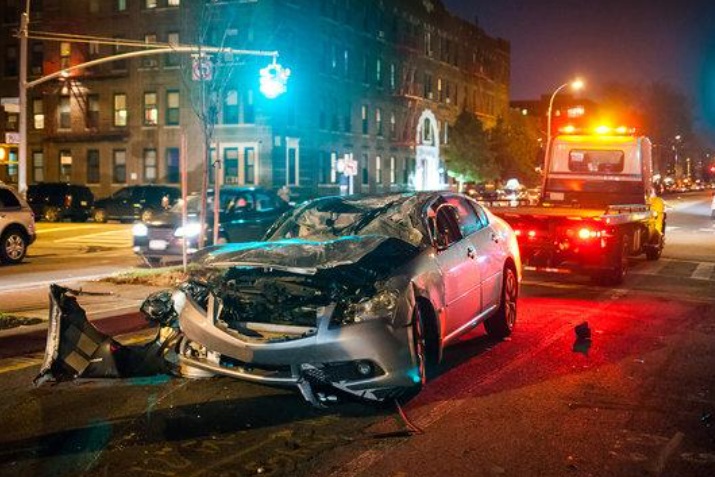
Nighttime driving is disproportionately dangerous. Only about a quarter of all driving happens after dark, but roughly half of all traffic deaths occur at night. Visibility is reduced, fatigue is higher, and the chances of encountering an impaired driver go up considerably.
Weekends, particularly Saturday nights, are consistently the most dangerous time to be on the road. The combination of alcohol use, fatigue, and heavier nighttime traffic significantly increases the risk and possibility of a crash.
Which Demographics Are Most Prone to Accidents?
Young drivers, particularly those aged 16 to 20, have some of the highest fatal crash rates of any group. The first year of driving is considered the most dangerous of all. Car accidents are also the leading cause of death for children under 14.
Men are involved in fatal crashes at roughly three times the rate of women. Over 70% of passenger vehicle fatalities involve male drivers. The gap is generally attributed to riskier driving habits, such as higher speeds, less frequent seatbelt use, and more frequent drink driving.
Seatbelts are still not worn as consistently as safety experts recommend, despite extensive data showing how effective they are. Seatbelts reduce the risk of fatal injury by nearly 50%.
And yet, less than half of those killed in passenger vehicle crashes were wearing one at the time.
What the Numbers Actually Mean for How You Drive
The data collected over the years has shown some clear patterns. For example, being distracted, even briefly, dramatically increases your crash risk. Speeding reduces the time you have to respond to anything unexpected and makes the consequences of a crash far worse.
Driving impaired or exhausted is genuinely as dangerous as most people imagine.
Familiar roads aren’t safe roads. Night driving requires more caution, not less. Rain means slowing down. Young drivers need more supervised experience, especially after dark. And seatbelts need to be worn on every trip, not just the long ones.
None of this is complicated. In many cases, improving road safety simply comes down to consistently following the practices that drivers and all other road users already know are important.
Key Takeaways
- Around 94 to 95% of car accidents are caused by human error.
- Up to 95% of the accidents that happen are caused by human error.
- More than half of the crashes that happen also happen within 5 miles of one’s home.
- 50% of traffic deaths happen at night.
- Young drivers between 16 and 20 have the highest fatal crash rates.
- Statistics exist to help drivers and other road users take examples from previous patterns and occurrences, and also make better road decisions.


