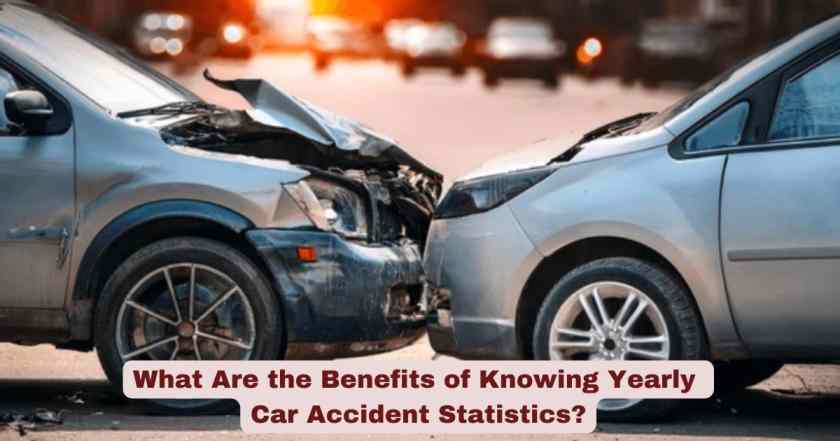
Every year in the United States, numerous individuals are injured or killed in devastating car accidents. Still, many people and drivers rarely stop to think about the numbers behind these car crashes. Understanding the annual car accident report helps people in the state, families, and communities recognize risks in car accidents before they become personal tragedies.
Traffic accidents are still the most common and major public safety concern, affecting drivers, passengers, fellow drivers, pedestrians, and property in cities, suburbs, and rural areas alike. Examining yearly car accident statistics provides insight into who is most at risk, where accidents happen most often, and what behaviors commonly lead to terrifying car crash injuries.
This information is not just for insurance adjusters or policymakers; it is valuable for everyday drivers, too. So, understanding the real accident statistics guides prominent and effective choices on safety, insurance, and legal plans.
Understanding “Yearly Car Accident Statistics” Really Means
Annual car accident stats show precisely gathered and organized data presented in a standardized format. This holistic car accident dataset tracks traffic-related car crashes throughout a specific calendar year, focusing on accurate details such as incident locations, times, vehicle types, road conditions, injury severities, and factors that contribute, like speeding, impairment, or distracted driving.
The US government’s transportation departments, local and national law enforcement agencies, insurance adjusters, and nonprofit safety organizations like NHTSA collaborate to collect this car accident information.
They compile it from police reports, hospital records, eyewitness accounts, and traffic camera footage, often using digital databases for real-time analysis. These statistics enable policymakers to identify trends, allocate resources for infrastructure improvements, launch public awareness campaigns, and enforce targeted regulations, ultimately aiming to reduce fatalities and enhance road safety.
These statistics often show the:
- How many accidents were reported
- Injuries and fatalities by age group occurred in the car crashes
- Common causes such as speeding or distracted driving
- Accident rates by location or road type
Benefits of Knowing Yearly Car Accident Statistics
- These documented versions of crucial information are more helpful drivers in recognizing risk patterns. Accident records reveal when and where car crashes happen most often. For example, some of the car accident statistics reveal higher accident rates at night or during vacation time. This awareness encourages many individuals and drivers to be more cautious during high-risk times.
- Also, it encourages every driver to see how often behaviors like speeding or distracted driving cause severe accidents, and it creates accountability. Car accident information turns abstract warnings into real problems, motivating safer choices behind the wheel.
- Communities and local authorities use annual data to find out the dangerous intersections, highways, or zones. This can lead to enhanced signage, traffic signals, or road design that assists in lessening future car collisions.
- It informs every driver and parent who frequently travels with their child. Young and new drivers of the state are often unaware of accident zone data. Parents who understand these trends can set clearer rules, offer better guidance in road safety, and choose safer driving conditions for teens.
- Car accident records influence insurance rates and coverage options. Knowing which risks are most common helps drivers choose policies that better fit their requirements and budget.
- Public safety campaigns rely on annual accident data to educate drivers and the public. When people understand the real numbers, safety messages become more believable and effective.
- Researchers use these car collision statistics to study emerging trends, like electric vehicle impacts or autonomous tech safety, fueling innovations in accident-avoidance systems.
- Governments monitor year-over-year data to examine interventions, adjusting laws like speed cameras based on proven reductions in car accidents.
Key Takeaways
- Yearly car crash statistics show real driving risks, not assumptions.
- Understanding trends helps drivers adopt safer habits and avoid usual dangers.
- Communities and families use this statistical information to enhance road safety and education.
- Staying informed empowers drivers to make smarter, safer decisions year after year.